Indian Pharmaceutical Market Analysis
Value Shift Strategies
From Volume to Value
For decades, India has been known as the "Pharmacy of the World." This title was earned by mastering high-volume, low-cost production of generic drugs. The model was simple: manufacture massive quantities of essential medicines after their patents expired, making healthcare more affordable globally. But the landscape is changing. The old strategy is no longer enough to sustain growth.
A structural transformation is underway. The Indian pharmaceutical industry is pivoting from a volume-driven hub to a value-driven innovation leader. Instead of just asking, "How many can we make?" leading firms are now asking, "How much value can we create?" This means shifting focus from simple tablets to complex, high-margin products.
The new game isn't about being the biggest producer; it's about being the smartest. The industry is moving from imitation to innovation.
The New R&D Playbook
This strategic shift is most visible in research and development. Companies are reallocating their R&D budgets away from crowded generic markets and toward specialty therapies with high barriers to entry. Think complex injectables for oncology, biosimilars, and (NDDS).
Firms like Sun Pharma and Dr. Reddy's Laboratories are prime examples. They are pouring capital into creating proprietary technologies and tackling diseases that require specialized manufacturing and deep clinical expertise. This isn't just about making a copy of an existing drug; it's about creating a better version or a new therapeutic solution altogether.
Riding the Patent Cliff
A significant catalyst for this value-driven strategy is the —a period when blockbuster drugs lose their patent protection, opening the door for generic competition. Between 2024 and 2025, drugs with combined sales of over $4 billion are set to go off-patent. But this time, the opportunity lies not in simple generics but in value-added versions.
Indian companies are strategically positioned to capitalize on this. Instead of merely replicating the original drug, they are developing improved formulations. This could mean a version with fewer side effects, a different dosage form (like a liquid instead of a pill), or a combination therapy that's more effective. These value-added generics command better margins and face less price erosion.
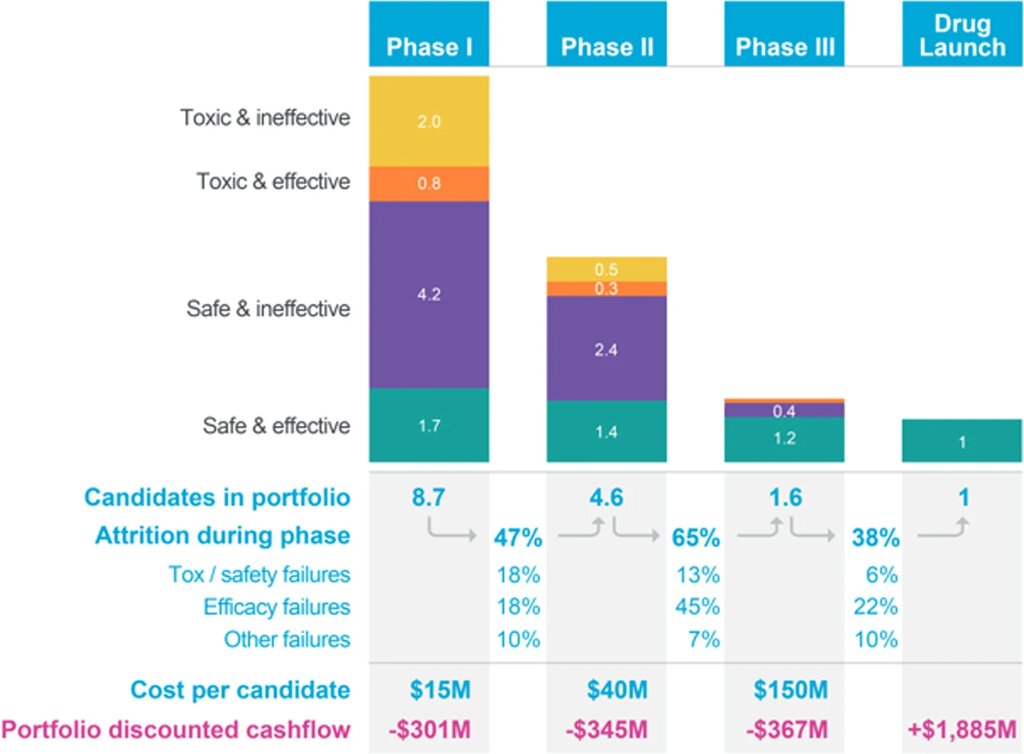
For example, several Indian firms are developing complex generic versions of injectable cancer drugs. These are not easy to manufacture, requiring specialized facilities and rigorous quality control. The companies that successfully navigate this complexity can secure a lucrative and less-crowded market segment.
Case in Point: Strategic Shifts
Leading companies are already deep into this transition. Sun Pharma has aggressively moved into specialty therapeutics, particularly in dermatology and ophthalmology, with its own branded products for the U.S. market. This strategy involves building a dedicated sales force and marketing directly to physicians, a major departure from the traditional generics model.
Similarly, Dr. Reddy's has honed its focus on complex generics, biosimilars, and proprietary products. The company has divested some of its lower-margin API (Active Pharmaceutical Ingredient) businesses to free up capital for high-value R&D projects. This disciplined capital allocation reflects a clear commitment to the value-over-volume philosophy.
The most transformative shift is in redeploying pharmacists to higher-value clinical roles.
This evolution redefines what it means to be the "Pharmacy of the World." It signals a move up the global pharmaceutical value chain, from a reliable supplier of basic medicines to an indispensable partner in developing the next generation of therapies.