Indian Oral Economy and Voice AI
Oral Economy Basics
The Oral Economy
In much of the world, digital life is built on text. We read articles, type messages, and scroll through written reviews. But what if the primary way your community shared information, built trust, and conducted business was through the spoken word? This is the reality for a vast portion of India, creating what we can call the Indian Oral Economy.
This isn't just about a preference for chatting over typing. It's a foundational system where local dialects and face-to-face conversations are the most trusted channels for everything from news to product recommendations. In this economy, the value of information is deeply tied to the person who speaks it. A recommendation from a neighbor carries more weight than an anonymous online review.
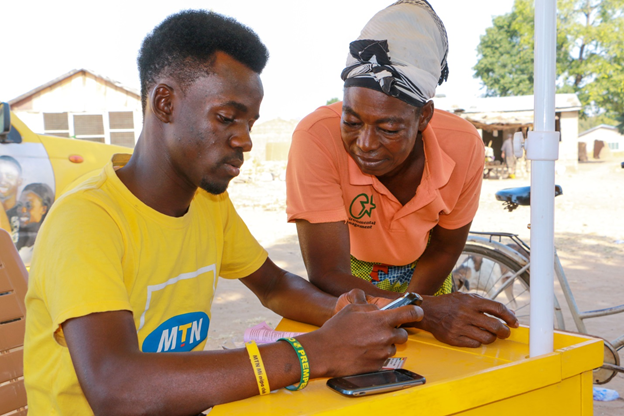
The Literacy Tax
Most digital platforms are designed with a literate, English-speaking user in mind. Their interfaces are filled with menus, buttons, and forms that require reading. For the more than one billion Indians who don't speak English or have limited literacy, navigating these platforms feels like being asked to pay a tax just to participate. This is the 'literacy tax'.
When a user can't read the interface, the app isn't just difficult to use—it's often impossible. Every button is a gamble, and every form is a barrier.
This tax effectively locks a huge population out of the digital world. The standard graphical user interface, or GUI, which relies on text-based icons and navigation, becomes a wall instead of a window. It assumes a level of literacy and digital experience that simply isn't universal, especially for the Next Billion Users who are coming online for the first time.
Trust and Oral Referrals
In oral-first societies, trust isn't built through star ratings or written testimonials. It's built through relationships and spoken confirmation. This creates powerful Oral Referral Networks. Think of it as referral marketing, but happening entirely through conversation. If a farmer recommends a new type of seed to others in his village, that spoken endorsement is the most powerful marketing tool available.
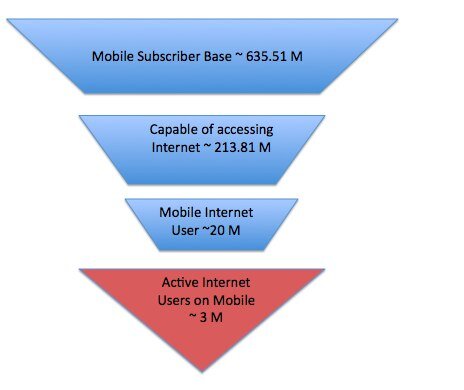
This dynamic is crucial for understanding the (NBU). This demographic, largely based in rural India and other emerging markets, is mobile-native. They often skip the desktop computer era entirely and their first internet-connected device is a smartphone. However, they are also text-hesitant. They are far more comfortable using voice notes, making calls, or watching videos than typing into a search bar or navigating a complex, text-heavy app.
Beyond Text-Based Interfaces
For true digital inclusion, we must move beyond interfaces that depend on text. The limitations of a traditional GUI are clear when your user base speaks hundreds of different [{
This is why the future of digital participation in the oral economy is voice. Voice-based interfaces, where users can speak commands and listen to responses in their native tongue, dismantle the literacy tax. They allow people to interact with technology in the same way they've interacted with their community for centuries: through spoken language.
The transition to a voice-first internet isn't just a technical challenge; it's a paradigm shift. It requires designing for listening instead of reading and for speaking instead of typing. Let's test what you've learned.
What is the 'literacy tax' as described in the context of digital platforms for the Indian Oral Economy?
In an Oral Referral Network, which of the following would be the MOST influential factor in a farmer's decision to try a new type of seed?
By understanding the principles of the oral economy, we can begin to see why so many digital products fail to gain traction in emerging markets and what it truly takes to build for everyone.