Indian Insurance Sector Overview
Historical Evolution
From Colonial Roots to National Pride
The story of insurance in India begins in the colonial era. The first life insurance company on Indian soil was the Oriental Life Insurance Company, established in Calcutta in 1818. However, this and other early companies primarily served the European community, often charging Indian policyholders higher premiums or refusing to insure them at all.
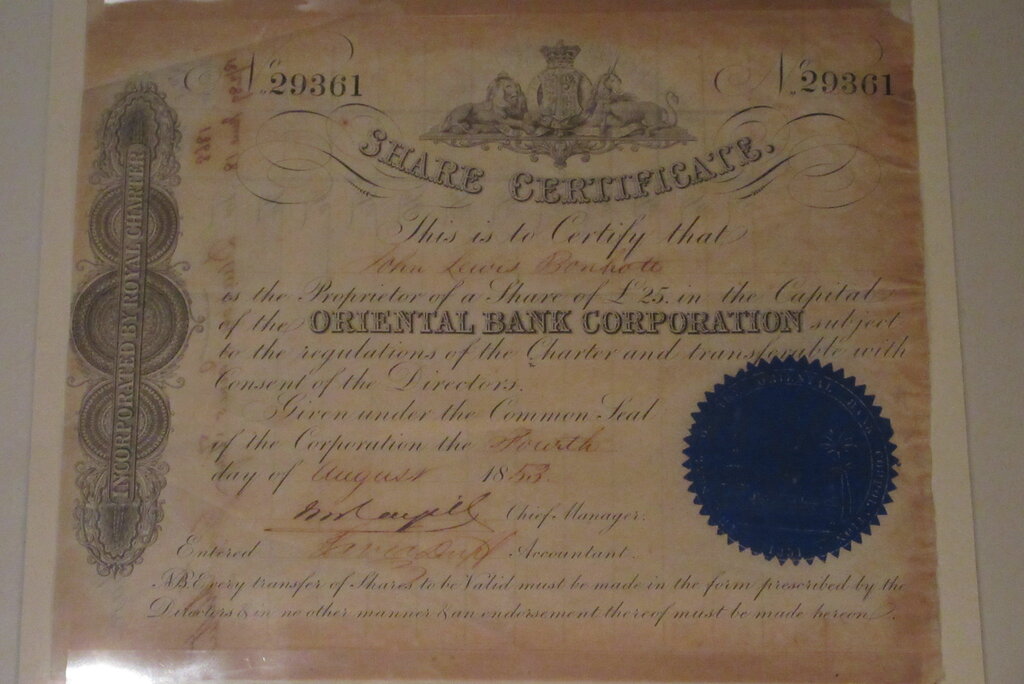
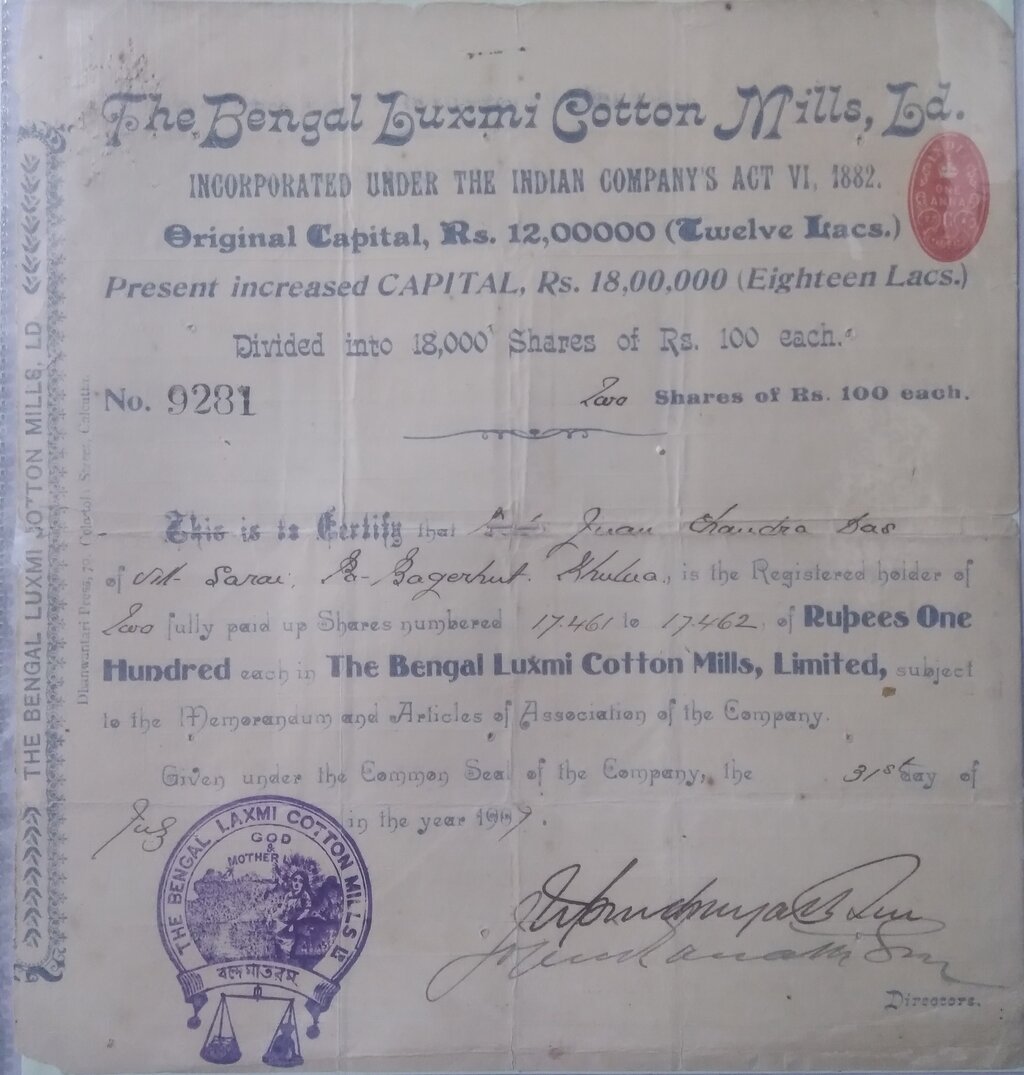
This discriminatory practice sparked a change. The first Indian-owned insurer, the Bombay Mutual Life Assurance Society, was founded in 1870. It was a landmark moment, offering insurance to Indians at standard rates. This set the stage for a wave of nationalist sentiment in the business world, leading to the creation of many more Indian insurance companies throughout the late 19th and early 20th centuries.
The Age of Nationalization
After India gained independence in 1947, the government moved to consolidate and control key sectors of the economy. Insurance was a prime target. In 1956, the Parliament passed the Life Insurance Corporation Act. This single act nationalized the entire life insurance sector, merging 245 different Indian and foreign insurers into one entity: the Life Insurance Corporation (LIC) of India.
With the stroke of a pen, a fragmented industry became a state-owned monopoly. The goal was to spread life insurance across the country, particularly in rural areas, and to channel the public's savings towards national development.
General insurance, which covers non-life assets like homes, vehicles, and health, followed a similar path. The General Insurance Business (Nationalisation) Act of 1972, or GIBNA, brought 107 general insurers under government control. These were restructured and merged into four subsidiaries of the newly formed General Insurance Corporation (GIC): National Insurance Company, New India Assurance, Oriental Insurance Company, and United India Insurance.
Opening the Doors
For decades, LIC and the GIC subsidiaries operated without competition. By the early 1990s, however, there was a growing sense that the sector needed reform to improve efficiency, expand product offerings, and increase customer satisfaction. In 1993, the government appointed the Malhotra Committee to review the industry and suggest changes.
The committee's 1994 report was revolutionary. It recommended opening the insurance sector to private players and establishing an independent regulatory body. These recommendations formed the blueprint for the next phase of India's insurance journey.
Acting on these recommendations, the government passed the Insurance Regulatory and Development Authority (IRDA) Act in 1999. This act created the (later renamed IRDAI) as the autonomous body to regulate and develop the insurance industry. With a regulator in place, the market was formally opened to private competition in August 2000. This move ended the decades-long monopoly of LIC and GIC, ushering in the modern, competitive landscape of Indian insurance.
Now that you understand the key historical milestones, let's test your knowledge.
What was the name of the first life insurance company established on Indian soil in Calcutta in 1818?
What was the primary reason for the establishment of the Bombay Mutual Life Assurance Society in 1870?