Indian History Through Bengali Narratives
Historical Context
Ancient Roots
The story of Bengal begins not as a single, unified place, but as a collection of smaller kingdoms known to ancient writers. One of the earliest names for a part of the region was Vanga, from which the name Bengal eventually derived. For centuries, these local kingdoms operated with a degree of independence, developing their own unique cultures.
This changed with the arrival of large, centralized powers from the west. Around the 3rd century BCE, the vast Mauryan Empire, led by emperors like Ashoka, extended its influence into Bengal. This wasn't a complete cultural takeover, but it integrated the region into a much larger political and economic network. Administrative ideas, a unified currency, and new philosophies, particularly Buddhism, began to flow into Bengal.
After the Mauryans, the Gupta Empire rose to prominence around the 4th century CE. Often called India's
The Gupta period is considered a golden age, marked by significant achievements in science, art, and literature.
Under the Guptas, Bengal became a vital center of trade and culture. The port of Tamralipti, on the Bengal coast, was a bustling hub connecting India to Roman Egypt in the west and Southeast Asia in the east. Brahmanical Hinduism also gained a stronger foothold during this time, coexisting with the already established Buddhist traditions.
Bengal's Own Dynasties
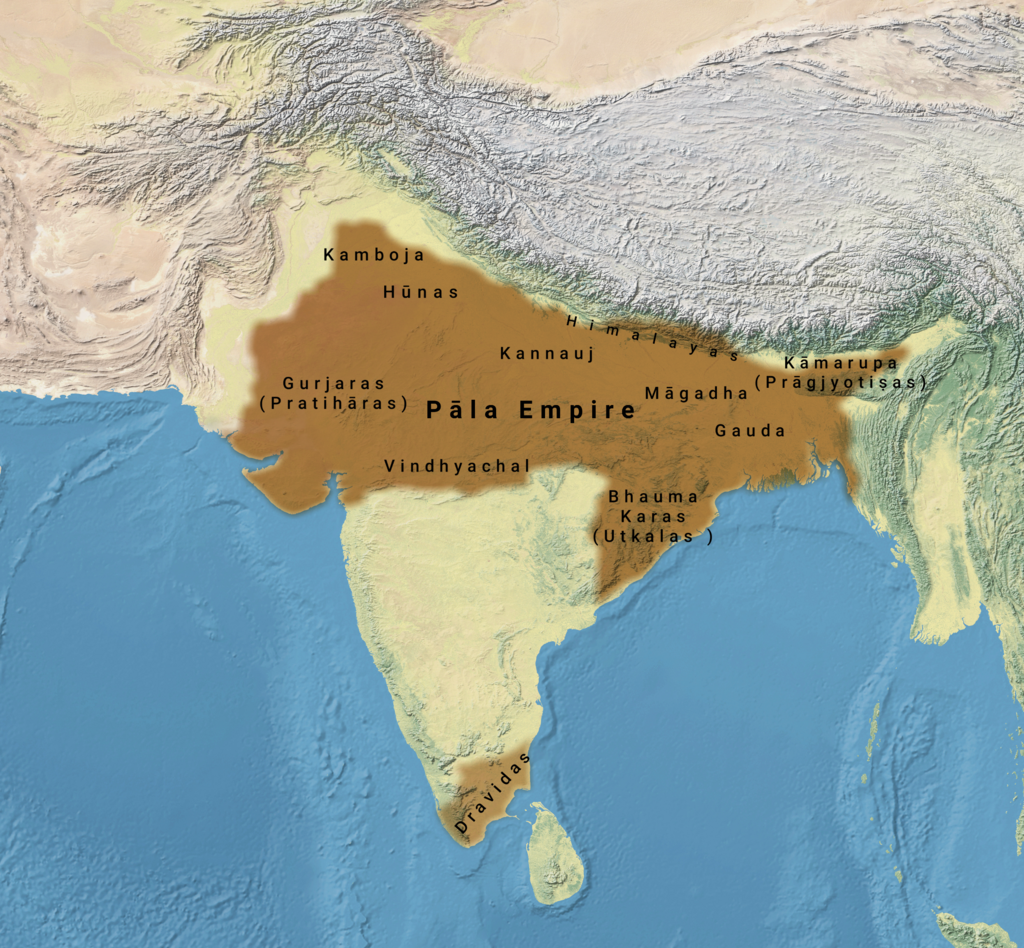
When the Gupta Empire declined, Bengal didn't just fade into obscurity. It entered a period of remarkable local power. The first great indigenous dynasty was the Pala Empire, which emerged in the 8th century CE. The Palas were devout Buddhists and patrons of learning and art.
They established major monastic universities, like Nalanda and Vikramshila (in neighboring Bihar, but with strong ties to Bengal), which attracted scholars from all over Asia. Under their rule, a unique school of art flourished, known for its elegant stone sculptures and palm-leaf manuscript illustrations.
Around the 12th century, the Palas were succeeded by the Sena dynasty. The Senas were patrons of Hinduism and Sanskrit literature. Their rule marked a shift in the region's religious and cultural landscape, strengthening the caste system and promoting orthodox Hindu practices. While their reign was relatively short, they left a lasting impact on Bengali society.
| Dynasty | Approximate Period | Key Religion | Major Contribution |
|---|---|---|---|
| Mauryan Influence | c. 3rd Century BCE | Buddhism | Administrative integration |
| Gupta Influence | c. 4th-6th Century CE | Hinduism & Buddhism | Major trade hub (Tamralipti) |
| Pala Dynasty | c. 8th-12th Century CE | Mahayana Buddhism | Patronage of art and universities |
| Sena Dynasty | c. 12th-13th Century CE | Hinduism | Strengthening of orthodox traditions |
New Arrivals and Lasting Change
The 13th century brought a dramatic transformation with the arrival of Turkic Muslim conquerors. This marked the beginning of Islamic influence in Bengal, first under the authority of the Delhi Sultanate. Eventually, local governors broke away to form the independent Bengal Sultanate.
This period was not just about political change. It ushered in a rich cultural synthesis. Persian became the language of the court, influencing local administration and literature. Sufi mystics spread Islamic ideas, which often blended with local folk traditions, creating a unique Bengali Muslim culture. The Sultans were also great builders, and their architectural legacy can still be seen in the ruins of cities like Gaur and Pandua.
In the 16th century, the Mughal Empire absorbed Bengal into its vast domain. Under Mughal rule, Bengal became known as the "Paradise of the Nations" due to its immense wealth from agriculture and textiles, especially fine muslins and silks. This prosperity attracted merchants and traders from across the world.
European powers were among those drawn by Bengal's riches. The Portuguese arrived first, followed by the Dutch, French, and British. They established trading posts, known as factories, along the Hooghly River. Initially, they were just one group of traders among many, operating under the authority of the Mughal governors.
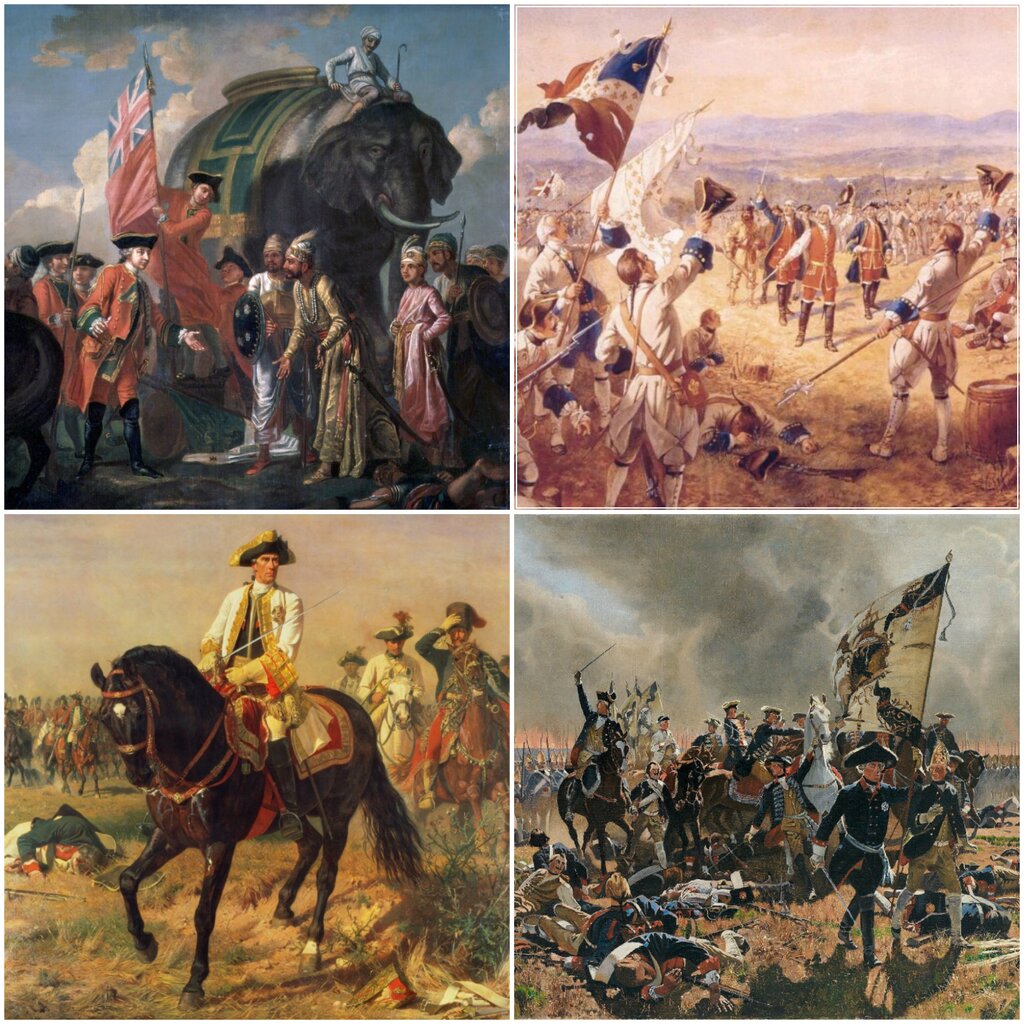
This balance of power shifted dramatically in the mid-18th century as the Mughal Empire weakened. The British East India Company, a trading corporation with its own private army, began to exploit the political instability. Through a combination of diplomacy, intrigue, and military force, they steadily increased their influence.
The decisive moment came at the Battle of Plassey in 1757, where the Company's forces defeated the Nawab of Bengal. This victory marked the beginning of nearly 200 years of British rule, not just in Bengal, but eventually across the entire Indian subcontinent. The era of colonial encounters had begun, setting the stage for profound economic, political, and social changes.
Time to check what you've learned about Bengal's history.
The name "Bengal" is derived from which ancient kingdom mentioned in early texts?
Which dynasty's rule is associated with strengthening the caste system and promoting orthodox Hindu practices in Bengal?