Indian Fat Loss Blueprint
Understanding Fat Loss
The Energy Equation
Your body is constantly burning energy, even when you're resting. This energy, measured in calories, fuels everything from breathing to blinking. The food you eat provides this energy. When you consume more calories than your body uses, it stores the excess for later. This stored energy is primarily fat.
Fat loss happens when you consistently use more energy than you consume. This is known as creating a caloric deficit.
When your body detects an energy shortfall, it doesn't panic. It simply turns to its reserves. Think of your fat stores as a savings account for energy. By eating slightly less or moving more, you prompt your body to make a withdrawal. This consistent deficit is the fundamental trigger for reducing body fat.
How Fat Leaves the Body
When your body needs to tap into its stored energy, it initiates a process called lipolysis. This occurs inside your fat cells, or adipocytes. Hormones and enzymes act like keys, unlocking the stored fat. They break down complex molecules called triglycerides into two simpler components: glycerol and free fatty acids.
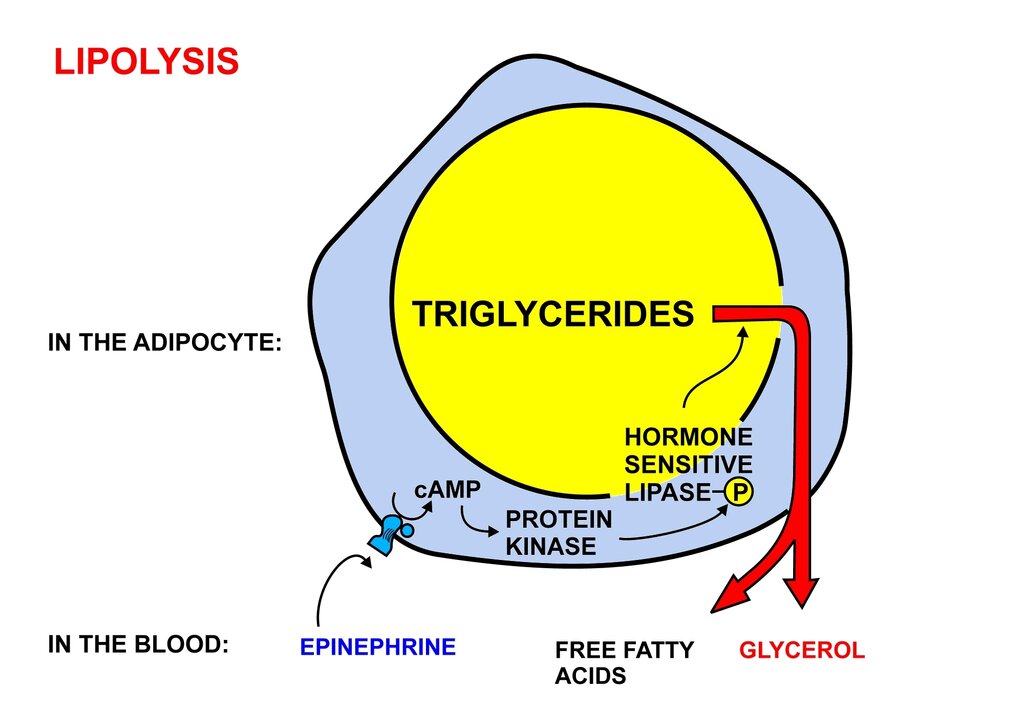
These fatty acids and glycerol are then released into your bloodstream. From there, they travel to cells throughout your body, like in your muscles and organs. Inside these cells, they are burned for energy in a process called beta-oxidation. So, where does the fat actually go? The process of metabolizing fat for energy produces two main byproducts: carbon dioxide and water. You breathe out the carbon dioxide and excrete the water through sweat and urine. You literally breathe your fat away.
Hormonal Influences
Your body's decision to store or burn fat isn't just about calories; it's heavily regulated by hormones. These chemical messengers control your metabolism and energy balance.
Insulin: Often called the storage hormone, insulin is released by your pancreas when you eat, especially carbohydrates. Its job is to help your cells absorb glucose from the blood for energy. When there's plenty of glucose available, insulin tells your body to stop breaking down fat and start storing it.
Glucagon: This is insulin's counterpart. When your blood sugar levels drop, glucagon signals your liver and fat cells to release stored energy, raising blood sugar and making fatty acids available for fuel.
Adrenaline: When you exercise or experience a fight-or-flight response, your body releases adrenaline (epinephrine). This hormone rapidly mobilizes fat stores, telling your adipocytes to release fatty acids into the bloodstream so your muscles have immediate energy.
Cortisol: Known as the stress hormone, cortisol has a complex relationship with fat. In short bursts, it can help release fatty acids for energy. However, chronic high levels of cortisol, often due to long-term stress, can promote fat storage, particularly in the abdominal area.
Hormonal balance, influenced by diet, exercise, sleep, and stress, plays a crucial role in your body's ability to efficiently burn fat.
The Role of Genetics
Have you ever noticed that some people seem to lose weight more easily than others? Genetics can play a part. Your genes can influence your metabolic rate, which is the speed at which your body burns calories at rest. They can also affect where your body tends to store fat, such as around the hips, thighs, or abdomen.
Furthermore, genetic variations can impact hormones that regulate hunger and satiety, like leptin and ghrelin. This might mean some individuals naturally feel hungrier or less full than others. While you can't change your genes, understanding these predispositions can be helpful. It highlights that everyone's journey is unique. The core principle of a caloric deficit still applies to everyone, but the path to achieving and maintaining it might look different from person to person.
What is the fundamental trigger for the body to start using its stored fat for energy?
During the process of lipolysis, what are complex triglyceride molecules broken down into?