Indian Environment Professionals
Introduction to Environmental Science
The Web of Life
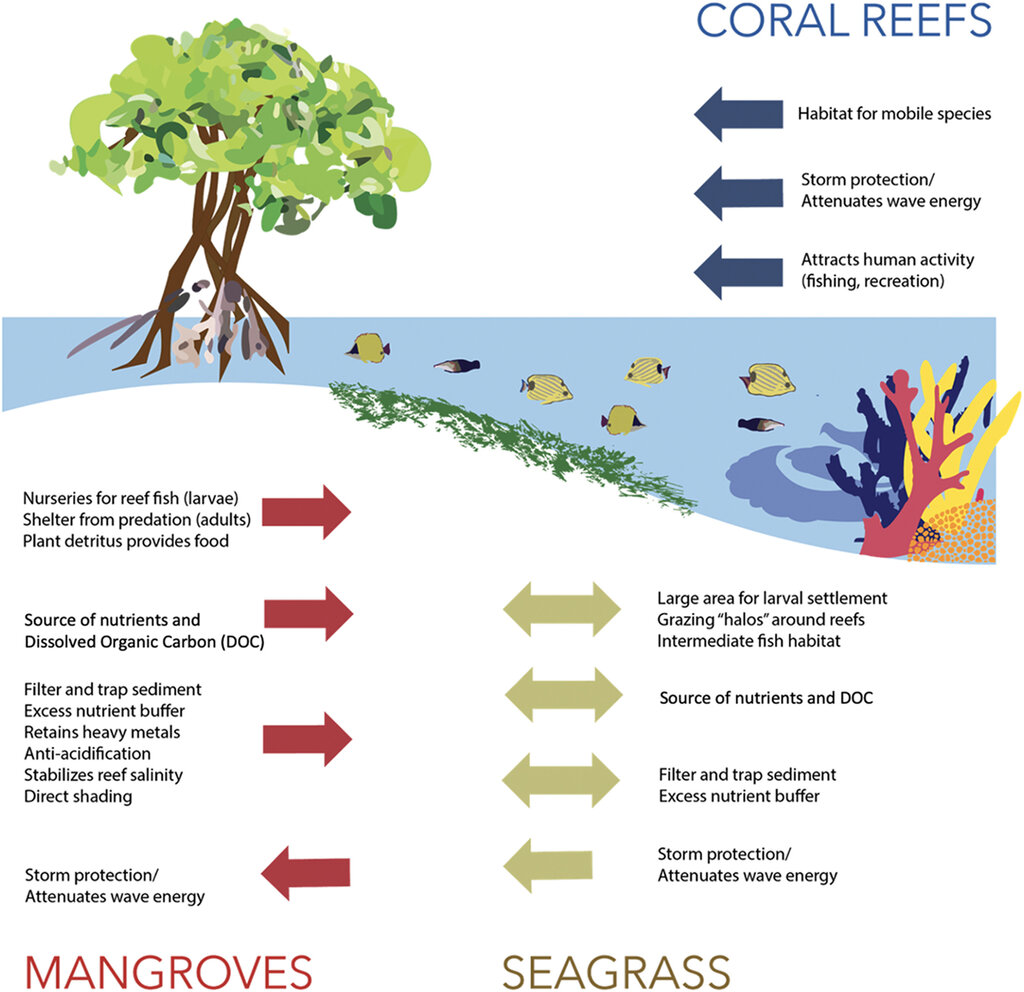
Think of a forest. It's not just a collection of trees. It's a bustling community where sunlight, soil, and water support trees and plants. Those plants feed deer and insects. Foxes hunt the deer, and birds eat the insects. When these organisms die, fungi and bacteria decompose them, returning nutrients to the soil. Everything is connected. This intricate network of living organisms and their non-living environment is an ecosystem.
Ecosystem
noun
A biological community of interacting organisms and their physical environment.
The variety of life within an ecosystem is called biodiversity. It’s the range of animals, plants, fungi, and even microorganisms like bacteria. High biodiversity makes an ecosystem stronger and more resilient. If one food source disappears, a species has other options. This variety ensures that the ecosystem can continue to provide essential services, like clean air, fresh water, and fertile soil.
Earth's Pantry
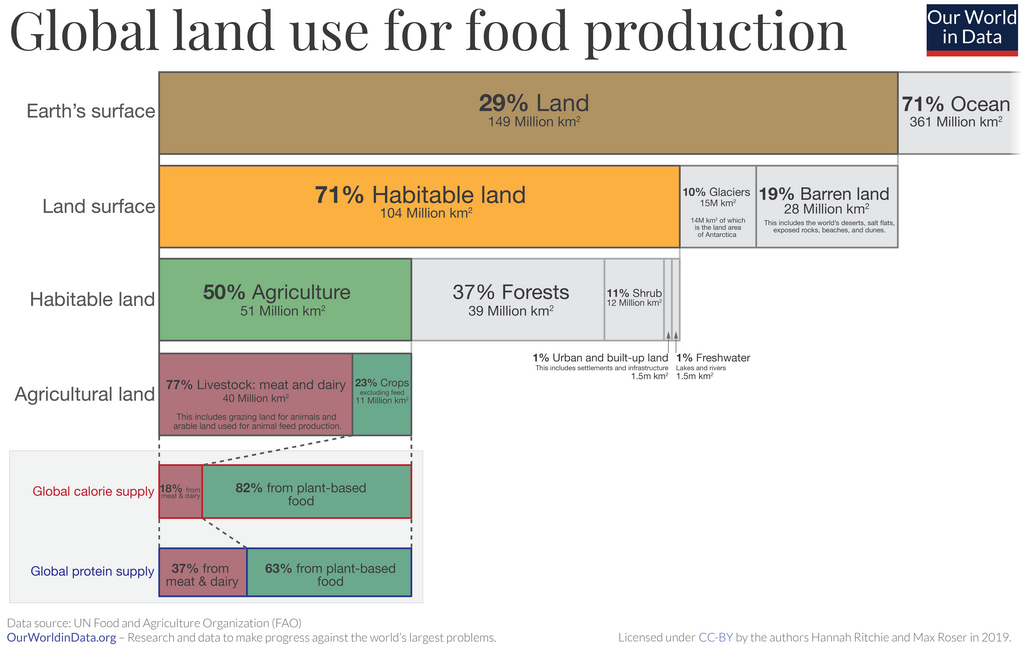
The environment provides all the materials we need to survive and build our societies. These materials are called natural resources. They fall into two main categories.
Renewable resources can replenish themselves over time. Think of sunlight, wind, and forests. If managed carefully, they can last indefinitely.
Non-renewable resources exist in finite amounts. Once they're used up, they're gone for good. Fossil fuels like coal and oil are classic examples.
Managing these resources is a critical balancing act. Over-harvesting a forest can lead to its collapse, while burning through fossil fuels too quickly not only depletes them but also creates other environmental problems. The goal of natural resource management is to use these resources in a way that meets our current needs without harming the environment or running out of supplies for future generations.
When Systems Go Wrong
When harmful substances contaminate the environment, we call it pollution. It can affect the air we breathe, the water we drink, and the land that grows our food.
| Pollution Type | Common Sources |
|---|---|
| Air Pollution | Vehicle exhaust, industrial emissions, burning of fossil fuels and waste. |
| Water Pollution | Industrial discharge, agricultural runoff (pesticides, fertilizers), untreated sewage. |
| Land Pollution | Landfills, improper disposal of waste, oil spills, mining activities. |
These aren't isolated issues. Pollution can travel far from its source, and different types can interact. Air pollution, for example, can lead to acid rain, which then pollutes water and soil.
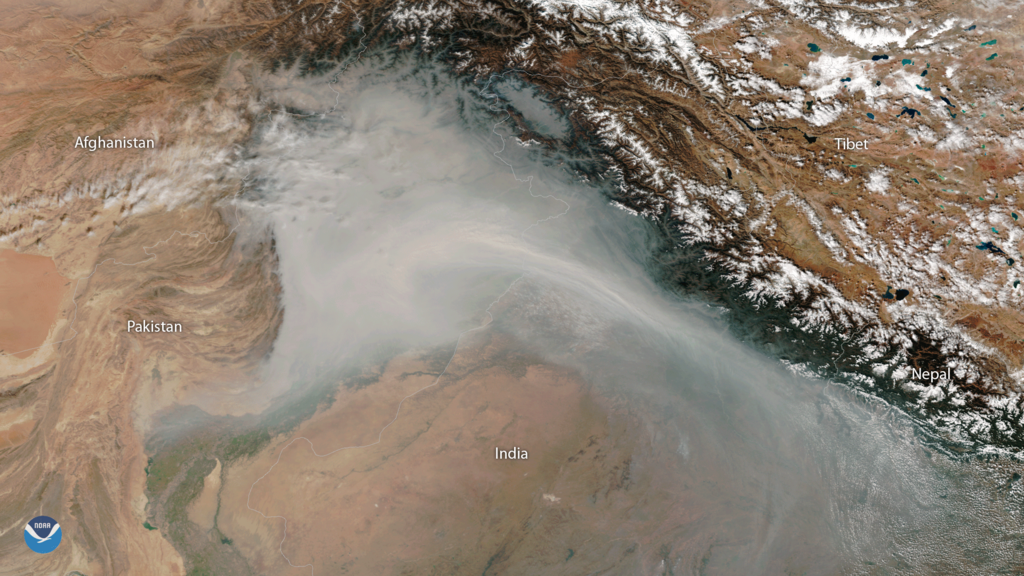
One of the most significant consequences of air pollution is climate change. When we burn fossil fuels, we release greenhouse gases like carbon dioxide () into the atmosphere. These gases trap heat, causing the Earth's average temperature to rise. This global warming leads to major disruptions: melting glaciers, rising sea levels, more frequent and intense heatwaves, and changing weather patterns that can cause both droughts and floods.
Finding a Balance
Faced with these challenges, how do we move forward? The guiding principle is sustainable development. It’s the idea of meeting our own needs without compromising the ability of future generations to meet theirs.
Sustainable development isn't just about the environment. It rests on three interconnected pillars: environmental protection, social equity, and economic viability. A truly sustainable solution is one that works for people, the planet, and the economy.
This means shifting to renewable energy, designing products that last and can be recycled, protecting natural habitats, and ensuring everyone has access to clean water, education, and economic opportunity. It’s a complex goal, but it provides a clear framework for building a healthier, more stable world.
Ready to check your understanding? Let's see what you've learned about the fundamentals of environmental science.
What is the best definition of an ecosystem?
Why is high biodiversity important for an ecosystem's health?
Understanding these core concepts—from the smallest ecosystem to the global challenge of sustainability—is the first step in addressing the environmental issues we face today.