Indian Drainage Systems and River Dynamics
Himalayan vs Peninsular Rivers
Two River Personalities
India's rivers can be split into two major groups based on their origin: the Himalayan rivers and the Peninsular rivers. Think of them as having distinct personalities, shaped by the landscapes they are born in. The Himalayan rivers, like the Indus, Ganga, and Brahmaputra, are young and energetic. The Peninsular rivers, such as the Narmada, Godavari, and Krishna, are older and more settled.
If we talk about geography, based on their source, Indian rivers are classified as - Himalayan Rivers and Peninsular Rivers.
One of the biggest differences is their water source. Himalayan rivers are perennial, meaning they flow all year round. They get their water from two sources: melting snow and glaciers from the high Himalayas during the summer, and rainfall from the monsoons. This dual supply ensures a constant, powerful flow.
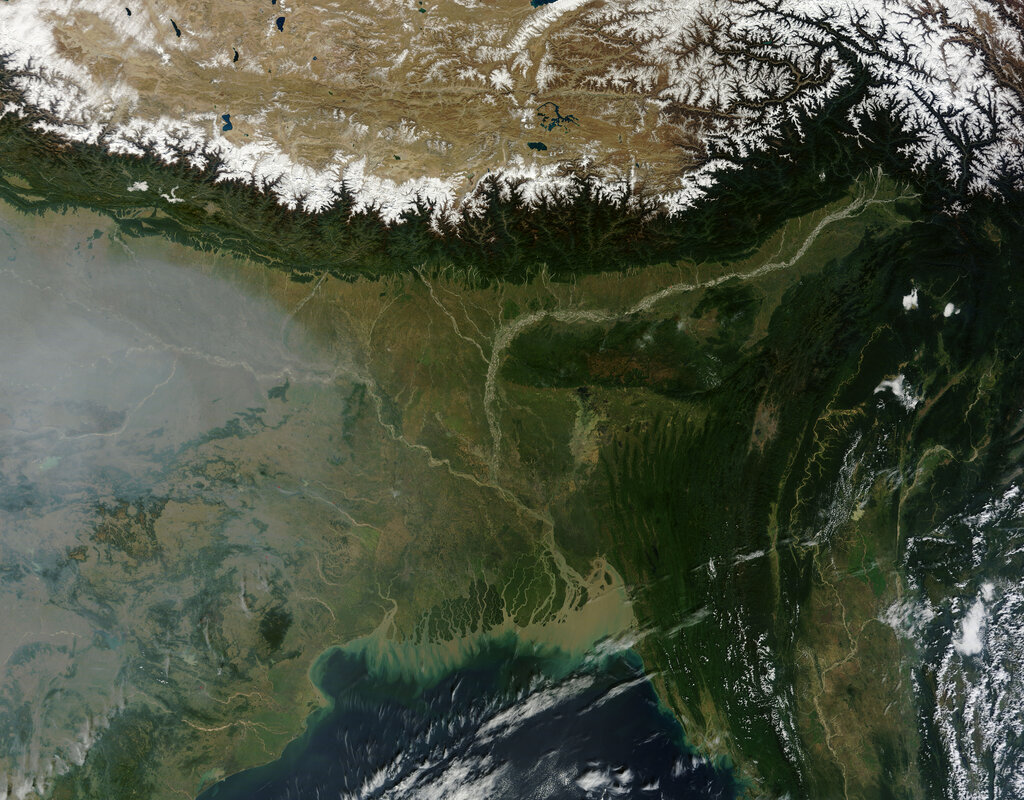
Peninsular rivers, on the other hand, are mostly seasonal or ephemeral. Their flow depends entirely on rainfall. During the monsoon season, they can become torrential, but in the dry summer months, many shrink dramatically or even dry up completely. They are born in the hills and plateaus of Peninsular India, which lack the massive glaciers of the Himalayas.
A Tale of Two Courses
The journey of a river from its source to the sea also tells a different story for each type. Himalayan rivers have very long, complex courses. In their upper stages, high in the mountains, they are incredibly powerful. They carve through the rock, creating deep gorges and steep, V-shaped valleys. The fast-flowing water has immense erosive power, carrying along large amounts of silt and sand.
As these rivers descend to the plains, their energy decreases. They enter their middle and lower courses, where the landscape is flatter. Here, they start depositing the sediment they've carried from the mountains. This process creates vast, fertile floodplains, meanders (S-shaped bends), and oxbow lakes when a meander gets cut off from the main river. The Indo-Gangetic plain is a perfect example of a landscape built by these deposits.
Because they carry so much sediment, Himalayan rivers are responsible for creating some of the most fertile agricultural lands in the world.
Peninsular rivers have shorter and shallower courses. They flow through a much older, more stable, and harder rock plateau. Since the rock is less easily eroded and the gradients are gentler, they don't form the deep gorges characteristic of the Himalayas. Their valleys are wider and less steep. They carry a much smaller load of silt compared to their Himalayan counterparts.
Meeting the Sea
The final destination for these rivers also highlights their differences. Most major Himalayan rivers, like the Ganga and Brahmaputra, form massive deltas before emptying into the Bay of Bengal. A delta is a fan-shaped landform created by the deposition of sediment as the river's flow slows down upon meeting the sea. The Sundarbans delta, formed by the Ganga-Brahmaputra system, is the largest in the world.
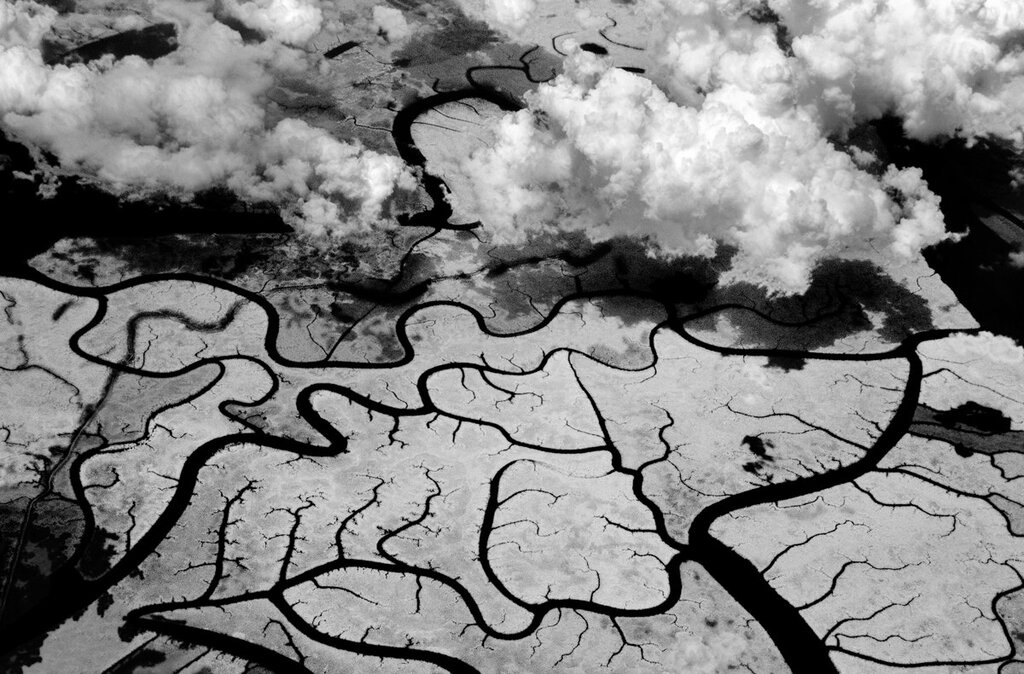
Most major Peninsular rivers, like the Godavari and Krishna, also form deltas on the east coast. However, the few that flow west, such as the Narmada and Tapi, don't form deltas. They flow through deep, narrow rift valleys. When they meet the Arabian Sea, they form estuaries. An estuary is a deep, funnel-shaped inlet where the river's fresh water mixes with the sea's salt water. The steep gradient means the river flows too fast to deposit much sediment at its mouth.
| Feature | Himalayan Rivers | Peninsular Rivers |
|---|---|---|
| Origin | Himalayan glaciers, snowmelt | Peninsular plateau, small hills |
| Flow | Perennial (year-round) | Seasonal (rain-fed) |
| Course Length | Long and meandering | Shorter and straighter |
| Erosion | High intensity, forms deep gorges | Lower intensity, forms shallow valleys |
| Mouth | Mostly form large deltas | Form deltas (east-flowing) or estuaries (west-flowing) |
| Drainage Basin | Very large basins | Comparatively smaller basins |
Time for a quick check on these key concepts.
Let's test your understanding of these two distinct river systems.
What is the primary reason Himalayan rivers are considered perennial?
Which of the following landforms is characteristic of the upper course of a Himalayan river?
Understanding these differences isn't just a geographical exercise. It's crucial for managing water resources, planning agriculture, and preparing for natural events like floods across India.