Indian Army Advanced Training and Tactics
Officer Academy Training
The Crucible of Leadership
The journey to becoming an officer in the Indian Army begins at one of two premier institutions: the Indian Military Academy (IMA) in Dehradun or the Officers Training Academy (OTA) in Chennai or Gaya. Though their goal is the same—to forge leaders of character and competence—their paths and purposes differ. At the heart of this transformation is the concept of the Gentleman Cadet (GC), a title that every trainee holds. It's more than a rank; it's a code of conduct. A GC is expected to embody honour, integrity, and patriotism, living by a strict ethical code that places the nation first, always.
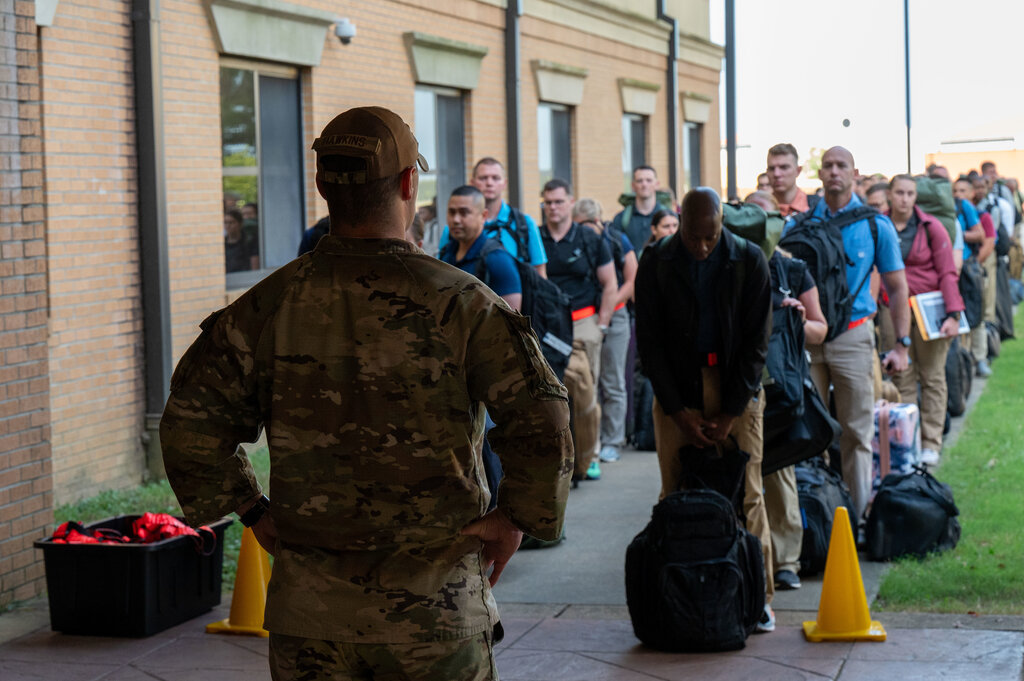
Life as a cadet is a relentless cycle of physical and mental challenges, designed to strip away civilian habits and build military discipline. The day starts before dawn with punishing physical training (PT), followed by drill practice that instills coordination and instantaneous obedience. The hours are packed with classes, weapon training, and tactical exercises. This isn't just about getting fit; it's about developing the stamina to lead soldiers in the harshest conditions imaginable.
The routine is designed to be overwhelming. It forces cadets to manage time, prioritise tasks, and perform under constant, unyielding pressure.
Two Academies, Two Commissions
The primary difference between the IMA and OTA lies in the type of commission an officer receives. The Indian Military Academy is the cradle of 'Permanent Commission' (PC) officers, who are career soldiers committed to serving until retirement. In contrast, the Officers Training Academy prepares cadets for the 'Short Service Commission' (SSC), an initial tenure of 10 years, which can be extended to 14 years or converted to a Permanent Commission based on performance and vacancies.
This difference in service duration is reflected in the training schedule.
| Feature | Indian Military Academy (IMA) | Officers Training Academy (OTA) |
|---|---|---|
| Commission Type | Permanent Commission (PC) | Short Service Commission (SSC) |
| Training Duration | 1.5 years (3 terms) | 49 weeks (~11 months) |
| Focus | Long-term career leadership | Preparing officers for a shorter tenure |
| Cadet Title | Gentleman Cadet (GC) | Gentleman Cadet (GC) / Lady Cadet (LC) |
From Theory to the Battlefield
While physical conditioning is constant, the academic syllabus evolves. Cadets begin with subjects similar to a university curriculum, like history, political science, and even computer skills. However, the focus quickly shifts to military science. They study military history to learn from past victories and failures, and delve into tactics, weapon systems, map reading, and logistics. The aim is to create a thinking soldier, not just a fighting one.
At 10 am, we had to reach for classroom lectures and military officers taught us various subjects like weapon training and handling, map reading, communication, to name a few.
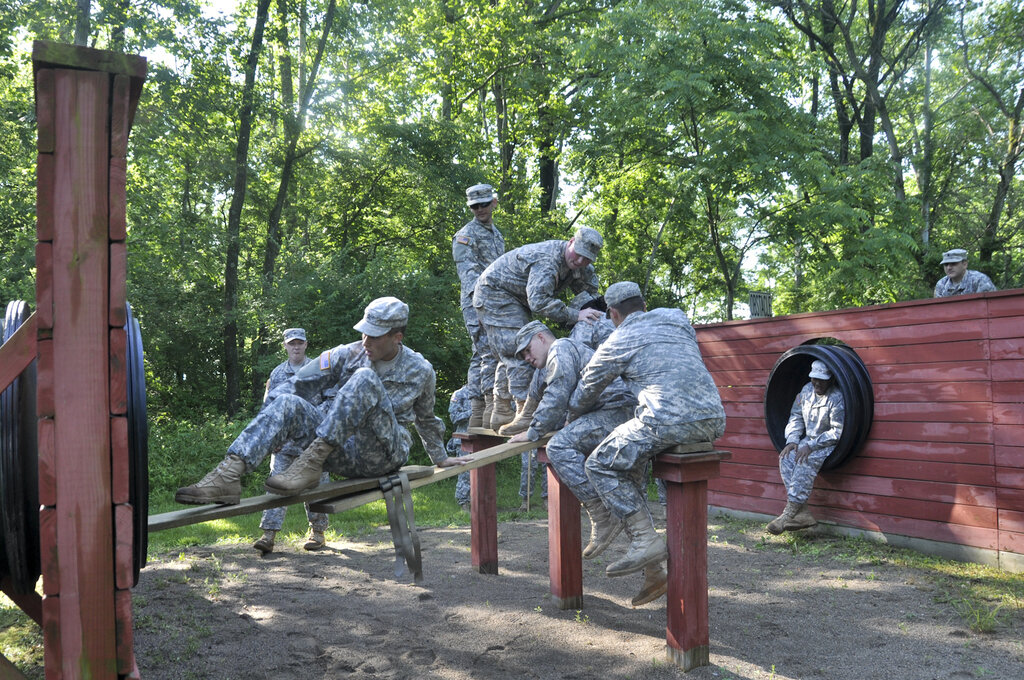
Perhaps the most critical aspect of the training is psychological conditioning. Cadets are systematically put into stressful situations to build resilience. Exercises like the Leadership Reaction Course (LRC) present small teams with complex physical obstacles and limited resources, forcing them to devise solutions under a time limit. These drills are not about finding the 'right' answer but about observing how cadets handle failure, work in a team, and demonstrate initiative. They are designed to find the breaking point, and then teach the cadet how to push past it.
By the end of their training, cadets have been remade. They have learned to lead, to follow, and to endure. The Passing Out Parade is not just a ceremony; it is the final step in a crucible that turns a civilian into an officer, ready to command.
What is the primary difference between the training at the Indian Military Academy (IMA) and the Officers Training Academy (OTA)?
An officer who graduates from the Officers Training Academy (OTA) typically receives a Permanent Commission, committing them to serve until retirement.
The transformation is profound, shaping individuals who carry the ethos of the academy throughout their careers and lives.