Indian Army Advanced Training and Doctrine
Commissioning Route Analysis
Permanent vs. Short Service Commission
Choosing to become an officer in the Indian Army isn't a single decision, but the first of many. The most fundamental choice is the type of commission you seek: a Permanent Commission (PC) or a Short Service Commission (SSC). This decision dictates not only your training institution but your entire career trajectory.
A Permanent Commission, primarily granted through the Indian Military Academy (IMA), is a commitment to a full career in the Army until retirement. It's for those who envision a lifelong service. In contrast, a Short Service Commission, with training at the Officers Training Academy (OTA), offers a more flexible path. It begins with a 10-year tenure, which can be extended by another four years. After this period, officers can either leave the service or, if they are eligible and selected, convert to a Permanent Commission.
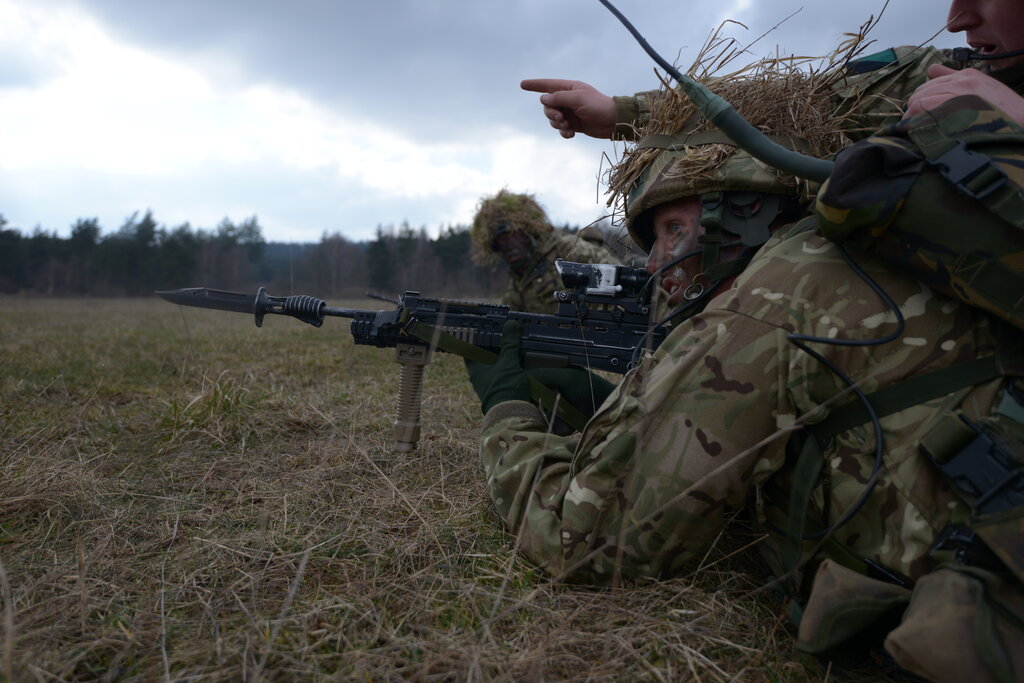
The training philosophies of these institutions reflect their purpose. The IMA in Dehradun provides a longer, 18-month training regimen designed to build a foundation for a 30+ year career. The OTA in Chennai (and Gaya) has a more condensed 49-week course. Its objective is to prepare officers for immediate and effective leadership within their initial term of service. This difference in duration and focus is the first major trade-off an aspirant must consider.
Entry Schemes for Graduates
For candidates who have already completed their graduation, the Army offers several direct entry routes. The most common is the Combined Defence Services (CDS) Examination. Aspirants clearing the CDS exam and the subsequent Services Selection Board (SSB) interview are routed to either IMA for a PC or OTA for an SSC, based on their choice and merit.
However, for those with specific technical skills, the path is more specialized. The Technical Graduate Course (TGC) is a direct entry scheme for engineering graduates, leading to a Permanent Commission at the IMA. It bypasses the written CDS exam, requiring candidates to apply based on their engineering stream and scores, followed by an SSB interview. This route is designed to fill the Army's need for officers with specialized knowledge in fields like mechanical, electrical, and computer engineering.
A similar path exists for those interested in a Short Service Commission through the SSC (Tech) entry. Like the TGC, it's for engineering graduates and does not require a written exam, but it leads to the OTA. These technical entries ensure the Army maintains a cadre of officers who can manage and lead its increasingly sophisticated technological assets.
| Entry Scheme | Commission Type | Training Academy | Written Exam Required? |
|---|---|---|---|
| CDS (IMA) | Permanent Commission (PC) | IMA, Dehradun | Yes (CDS Exam) |
| CDS (OTA) | Short Service (SSC) | OTA, Chennai | Yes (CDS Exam) |
| Technical Graduate (TGC) | Permanent Commission (PC) | IMA, Dehradun | No |
| SSC (Tech) | Short Service (SSC) | OTA, Chennai | No |
Specialized and In-Service Entries
Beyond the mainstream graduate entries, the Army has tailored routes to bring in specific talent and reward serving soldiers. The University Entry Scheme (UES) was a notable pre-final year entry for engineering students, though it has been strategically paused and its intake absorbed into the TGC route to streamline technical recruitment.
For personnel already serving in the ranks, the Army offers a unique opportunity for upward mobility. The Special Commissioned Officers (SCO) entry allows Junior Commissioned Officers (JCOs) and Non-Commissioned Officers (NCOs) with exemplary service records to become commissioned officers. After clearing the SSB, they undergo training at the Army Cadet College (ACC) Wing at IMA, eventually earning a Permanent Commission. This provides a clear pathway for talented soldiers to transition into leadership roles, bringing invaluable ground-level experience to the officer corps.
The choice between these various entries has significant implications for an officer's career. An officer commissioned from the National Defence Academy (NDA) will have a four-year seniority advantage over a graduate-entry officer of the same age. This head start often translates into a faster climb up the promotional ladder and a higher probability of reaching senior command positions. A direct entry officer from IMA, in turn, will be senior to an officer of the same age commissioned through SSC from OTA who later opts for a Permanent Commission.
These differences in seniority and career progression are not accidental; they are part of the Army's structured approach to human resource management, balancing the need for young, long-serving leaders with the infusion of specialized talent through direct entries.
What is the primary difference between a Permanent Commission (PC) and a Short Service Commission (SSC) in the Indian Army?
An engineering graduate wants to join the army as an officer with a Permanent Commission and wishes to bypass the written CDS exam. Which entry scheme is most suitable for them?