India Unveiled Origins Politics Economy
Introduction to India's History
The First Footprints
India's story begins along the banks of the Indus River. More than 4,500 years ago, one of the world's first great urban cultures, the Indus Valley Civilization, flourished here. Cities like Mohenjo-daro and Harappa were marvels of their time, with grid-like streets, advanced drainage systems, and impressive brick houses. For reasons we still don't fully understand, this civilization declined around 1900 BCE.
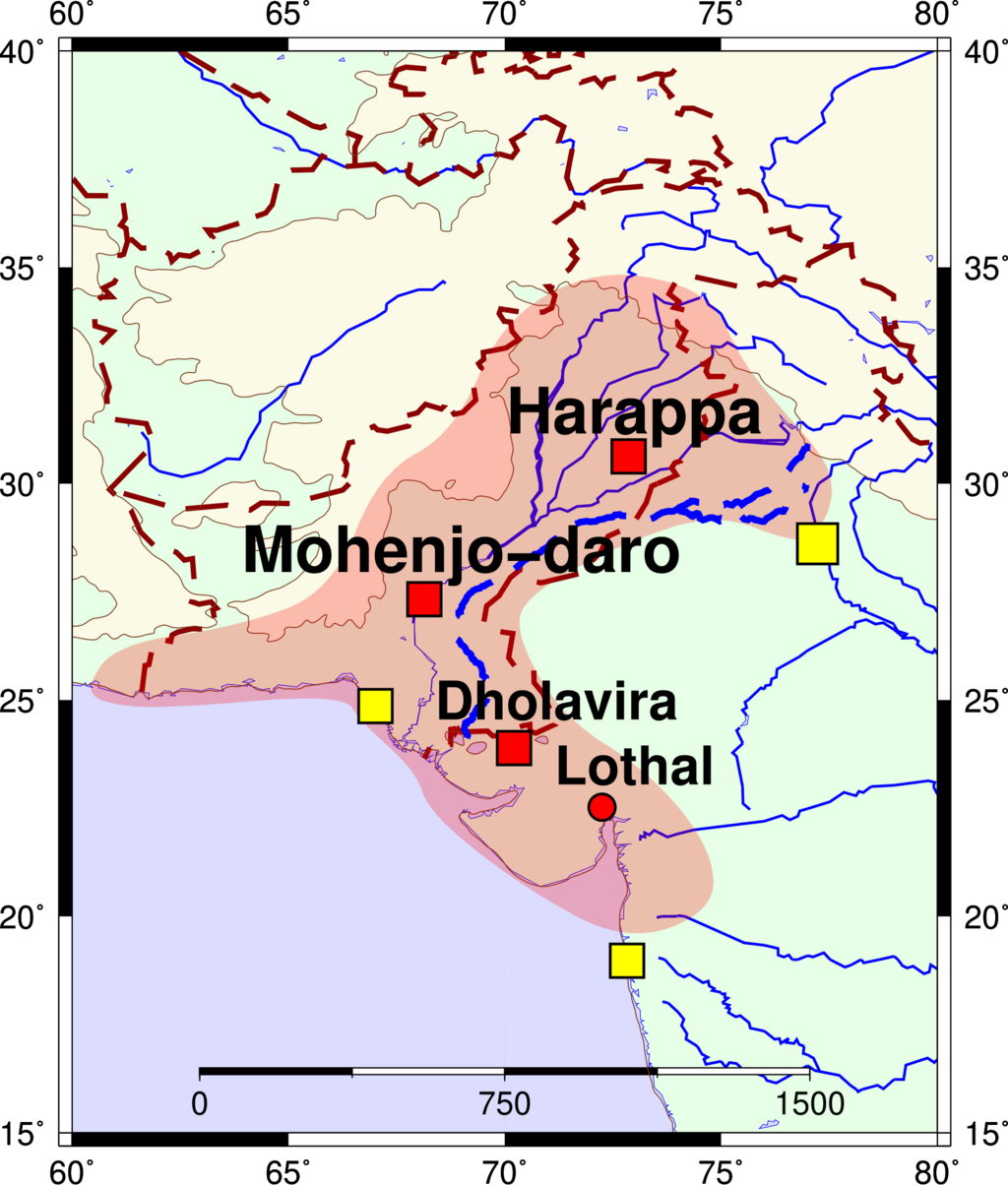
Following this period, new groups arrived in northern India, bringing with them sacred texts called the Vedas. This Vedic Period, lasting from about 1500 to 500 BCE, laid the foundations for Hinduism. It established social structures and philosophical ideas that would shape Indian society for millennia. This era saw the rise of small kingdoms and republics across the Gangetic plain, setting the stage for the subcontinent's first great empires.
An Age of Empires
For centuries, India was a patchwork of powerful kingdoms. Dynasties like the Mauryas and the Guptas united vast territories, ushering in golden ages of science, art, and philosophy. But the medieval period brought new waves of change.
Starting around the 12th century, Turkic invaders from Central Asia established the Delhi Sultanate, making Delhi a major political and cultural hub. This marked a significant moment of cultural fusion, blending Islamic traditions with local Indian customs.
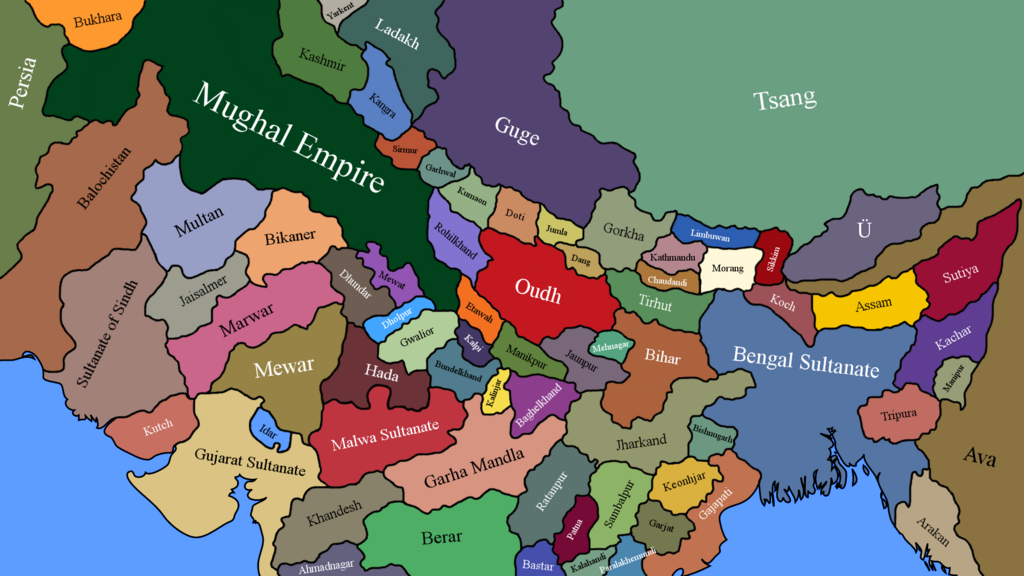
The Sultanate eventually gave way to the Mughal Empire in 1526. The Mughals, who ruled for over 300 years, presided over a period of incredible artistic and architectural achievement. Emperors like Akbar promoted religious tolerance, while his grandson, Shah Jahan, built the Taj Mahal. The empire unified much of the subcontinent under a single, efficient administration.
The Company and The Crown
In the 1600s, European traders began to arrive on India's shores, drawn by the riches of the spice trade. Among them was the British East India Company. Initially just a trading body, the company exploited political instability and internal rivalries to steadily expand its influence. Through treaties and military conquest, it transformed from a commercial enterprise into a ruling power.
A major rebellion in 1857, known as the Sepoy Mutiny or India's First War of Independence, challenged the company's authority. After brutally crushing the uprising, the British government dissolved the company and took direct control. This began the era of the British Raj, with India becoming the "jewel in the crown" of the British Empire.
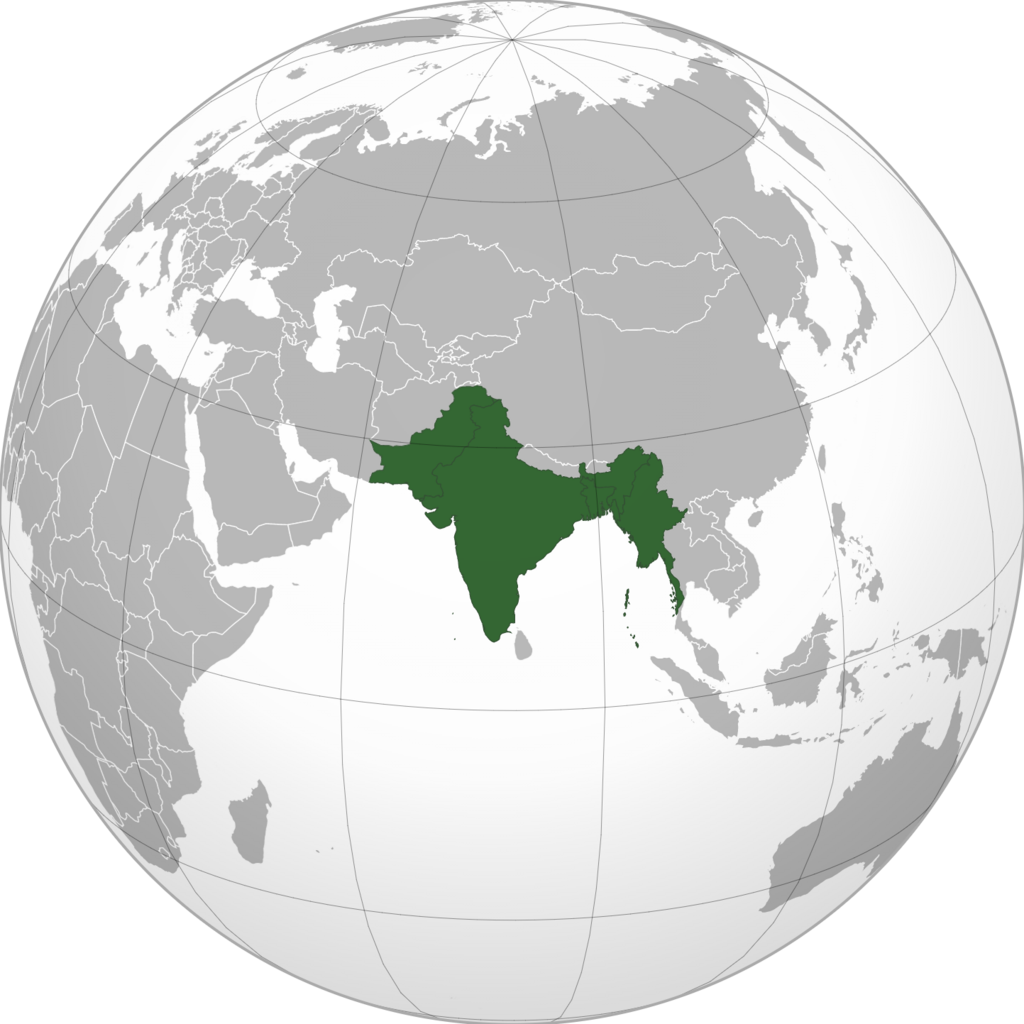
British rule brought significant changes. They built railways, established a modern legal system, and introduced English education. But these developments often served colonial interests, and the Indian economy was restructured to benefit Britain, leading to the decline of traditional industries and widespread poverty.
A Nation Divided
The 20th century saw the rise of a powerful movement for independence. Led by figures like Mahatma Gandhi, who championed nonviolent civil disobedience, millions of Indians joined the struggle against British rule. The demand for self-governance grew impossible to ignore, especially after World War II weakened the British Empire.
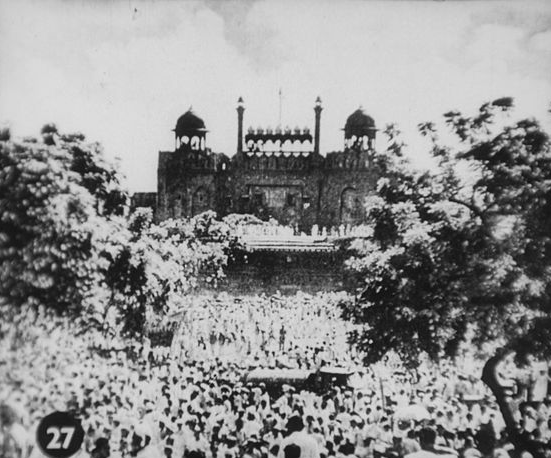
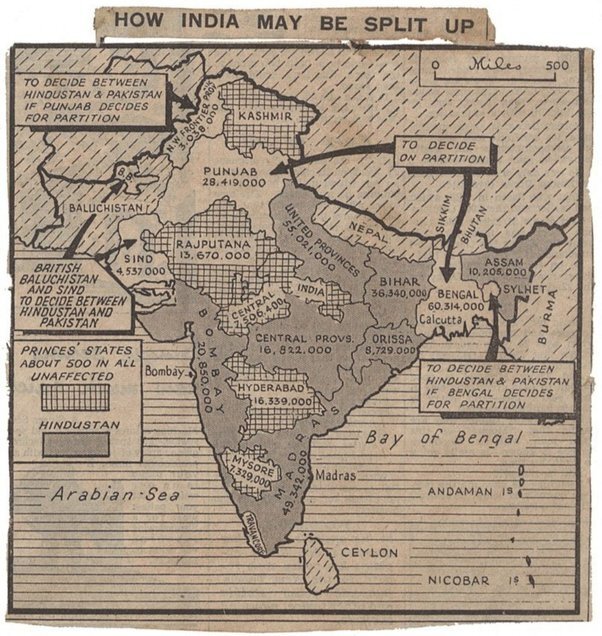
Independence, when it finally came in 1947, was bittersweet. The British decided to partition the subcontinent along religious lines, creating the independent nations of India and Pakistan. This decision triggered one of the largest and most violent migrations in human history. Millions of Muslims trekked to Pakistan, while Hindus and Sikhs moved to India. The partition left deep scars that continue to affect the region today.
From the ashes of partition, the Republic of India emerged as a sovereign, democratic nation, embarking on the monumental task of building a modern state from its ancient and complex past.
What was a defining characteristic of cities like Mohenjo-daro and Harappa in the Indus Valley Civilization?
The Vedic Period, which followed the decline of the Indus Valley Civilization, is most known for laying the foundations of which major world religion?