Index Funds vs. Market Timing
Investment Basics
What Is an Investment?
At its core, investing is the act of using money to make more money. Instead of letting your cash sit idle, you put it to work. Think of it like planting a seed. You give up a small seed today with the hope that it will grow into a tree that provides fruit for years to come. Your initial money is the seed, and the profit it generates is the fruit.
This process involves committing capital, like money or other assets, to an endeavor with the expectation of generating income or profit. An investment is different from saving. Saving is setting money aside in a safe place, like a bank account. It's secure but typically grows very slowly, if at all. Investing involves taking on some level of risk for the potential of a greater reward.
Why Invest? Set Your Goals
People invest for countless reasons, but it almost always boils down to achieving a financial goal. Without a clear goal, investing is like setting off on a road trip without a destination. You'll just burn gas.
Your financial goals give your investments purpose. Are you saving for retirement in 30 years? A down payment on a house in five years? Your child's college education? Each goal has a different timeline and requires a different strategy. A long-term goal like retirement can handle more market ups and downs than a short-term goal, where you'll need the money soon.
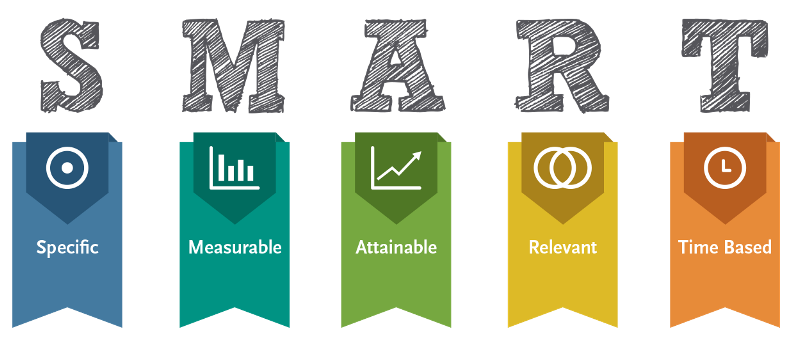
Defining your goals helps you determine how much you need to invest and what kind of returns you need to earn. It brings clarity to your financial life and turns abstract saving into a concrete plan.
Where to Put Your Money
Once you know why you're investing, you need to decide what you're investing in. These categories of investments are called asset classes. Each has its own characteristics, and they behave differently in various market conditions. Understanding the main types is a key first step.
Asset
noun
A resource with economic value that an individual, corporation, or country owns or controls with the expectation that it will provide a future benefit.
The most common asset classes are stocks and bonds.
Stocks (Equities): When you buy a stock, you're buying a small piece of ownership in a public company. If the company does well, the value of your share can go up. You might also receive dividends, which are portions of the company's profits paid out to shareholders. Stocks offer the potential for high growth, but they also come with higher risk because their value can fluctuate significantly.
Bonds (Fixed Income): When you buy a bond, you are essentially lending money to a government or a corporation. In return, they promise to pay you back the full amount on a specific date, plus periodic interest payments along the way. Bonds are generally considered safer than stocks, but they typically offer lower long-term returns.
Other asset classes include real estate (buying physical property) and cash equivalents (like high-yield savings accounts or money market funds), which are very low-risk but offer minimal growth.
The Classic Trade-Off
Every investment decision comes down to a fundamental trade-off between risk and return. They are two sides of the same coin.
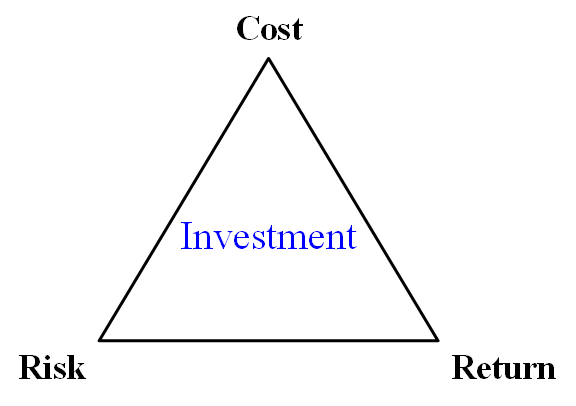
Return is the money you make on an investment. It's the profit. Risk is the chance that you could lose money, including your initial investment.
A core principle of finance is that you can't get a higher potential return without accepting a higher potential risk. If an investment seems to promise high returns with zero risk, you should be very skeptical. There is no such thing as a free lunch.
For example, a government bond is considered low-risk because governments are very likely to pay back their debts. As a result, the return is modest. A stock in a brand-new tech company, however, is high-risk. The company could fail, and your investment could become worthless. But if it succeeds, your potential for return is massive.
Understanding your own comfort level with this trade-off, known as your risk tolerance, is crucial. It helps you choose investments that align with both your financial goals and your ability to sleep at night.
Now, let's test your understanding of these fundamental concepts.
What is the primary purpose of investing?
Which statement best describes the relationship between risk and return in investing?