Independent Film Financing Unveiled
Introduction to Independent Film Financing
The Financing Puzzle
Financing an independent film isn't just about raising money. It's about building a strategic foundation that supports the film's creative vision, ownership structure, and path to an audience. Unlike studio films backed by corporate entities, independent projects rely on a patchwork of sources, each with its own set of expectations and strings attached.
The financial budget plays a crucial role in determining the type of financing to seek, who to approach for funding, and how to proceed.
Every dollar accepted comes with an agreement, whether explicit or implicit. The choice between taking on investors, securing loans, or selling rights in advance directly shapes who has a say in the final cut and how profits are divided. Understanding these trade-offs is as critical as any creative decision made on set.
Traditional Funding Models
Most independent films are funded through a combination of three primary methods: equity, debt, and pre-sales. It's rare for a film to be financed by only one of these; more often, they form a layered financial structure.
Film production is typically financed through a combination of equity investment, debt financing, and pre-sales.
Equity Investment involves selling ownership stakes in the film to private investors. In exchange for their capital, investors receive a share of the film's profits. The major advantage is that the money doesn't need to be paid back if the film fails. However, this means giving up a percentage of ownership and future revenue. Investors may also require some level of creative input or control, potentially compromising the director's vision.
Debt Financing is essentially a loan that must be repaid, usually with interest. This can come from banks, specialized film lenders, or even wealthy individuals. A common form is "gap financing," a loan secured against the film's unsold distribution rights. The risk is significant: if the film doesn't generate enough revenue, the filmmakers are personally on the hook for the debt.
Pre-sales are agreements to sell a film's distribution rights for specific territories or platforms before it's even made. A sales agent might sell the German theatrical rights or the Latin American streaming rights based on the script, director, and cast. This provides upfront cash for production and serves as market validation, making it easier to attract other investors. The downside is that you are selling off pieces of your film's future earnings potential early on.
Creative and Alternative Strategies
Beyond the traditional routes, filmmakers often turn to more innovative methods to get their projects off the ground. These approaches can offer more creative freedom but come with their own unique challenges.
Crowdfunding platforms like Kickstarter and Indiegogo allow filmmakers to source funding directly from their future audience. This model is excellent for building early buzz and a dedicated community. The challenge is running a successful campaign, which requires significant marketing effort. The funds raised are often not enough to cover the entire budget, so crowdfunding is typically one piece of a larger financial puzzle.
Grants and Tax Incentives are another vital source. Film grants are offered by foundations, arts councils, and cultural organizations that want to support non-commercial or artistically significant work. They are highly competitive but provide funds that don't need to be repaid. Many states and countries also offer tax credits or rebates to productions that shoot locally, effectively providing a discount on production costs. Navigating the complex application and compliance processes for these incentives often requires specialized legal and accounting help.
Many independent films never secure a distribution deal, which is crucial for generating revenue.
This reality highlights the importance of having a clear distribution strategy from the very beginning. The financing model you choose can either open doors to distributors or close them. For instance, having pre-sales in place demonstrates to other distributors that there is already market interest in your film.
The Impact of Financing
Every financing decision ripples through the entire life of a film. Equity investors will own a piece of the film forever and have a say in major decisions, from casting to the final cut. A large debt burden might force a filmmaker to accept a subpar distribution deal just to start generating revenue to repay the loan.
Conversely, securing grant funding or successfully crowdfunding can empower a filmmaker to retain full creative control and ownership. This allows them to prioritize artistic integrity over commercial pressures. It might also mean they can hold out for a better distribution deal or even pursue a self-distribution model, keeping a much larger share of the revenue.
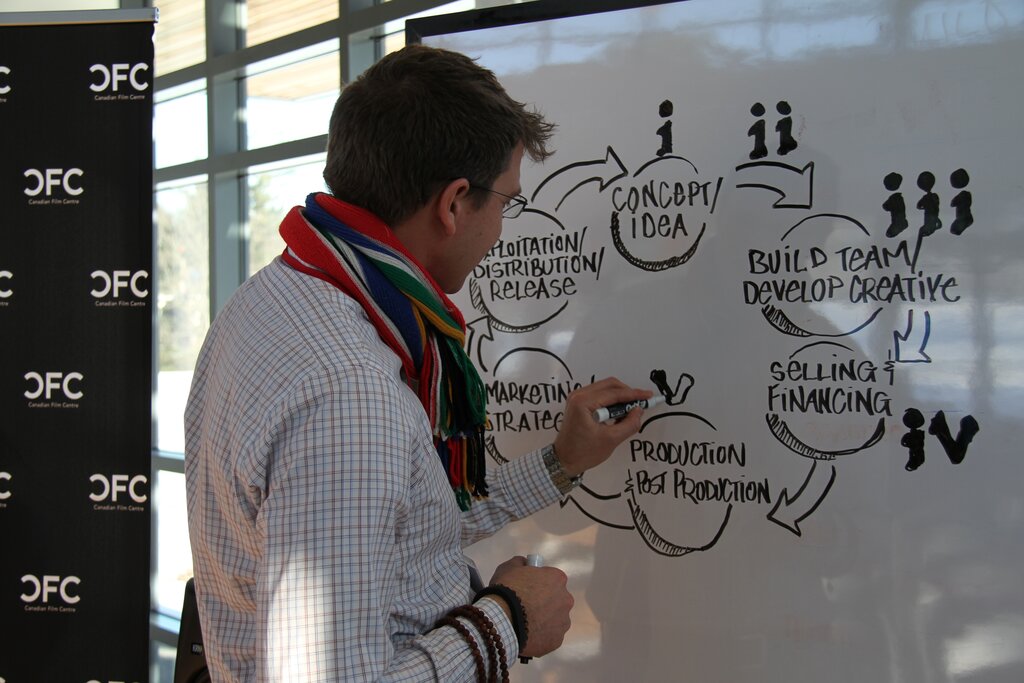
Ultimately, the financing strategy is the business plan for the film's artistic vision. A well-structured plan aligns the interests of the filmmakers and their financial partners, creating a sustainable path for the project from script to screen and beyond.
What is the primary drawback of using equity investment to finance an independent film?
A filmmaker secures a loan that is guaranteed against the film's unsold distribution rights in Asia and Europe. This is a specific example of:
Assembling the financing for an independent film requires a blend of business acumen, strategic planning, and creative problem-solving. By understanding the trade-offs inherent in each funding model, filmmakers can make informed decisions that protect their vision and give their work the best possible chance of success.