Income Trading Bitcoin ETFs
Introduction to Bitcoin ETFs
What Is a Bitcoin ETF?
An Exchange-Traded Fund, or ETF, is a type of investment that trades on a stock exchange, just like a regular stock. Think of it like a basket that holds a collection of assets. A stock market ETF might hold shares from hundreds of different companies. A Bitcoin ETF is simply a fund that holds Bitcoin-related assets.
Its main purpose is to make investing in Bitcoin easier. Instead of signing up for a cryptocurrency exchange, setting up a digital wallet, and worrying about security keys, you can buy shares of a Bitcoin ETF through a standard brokerage account. It packages the complexity of crypto into a familiar, traditional investment vehicle.
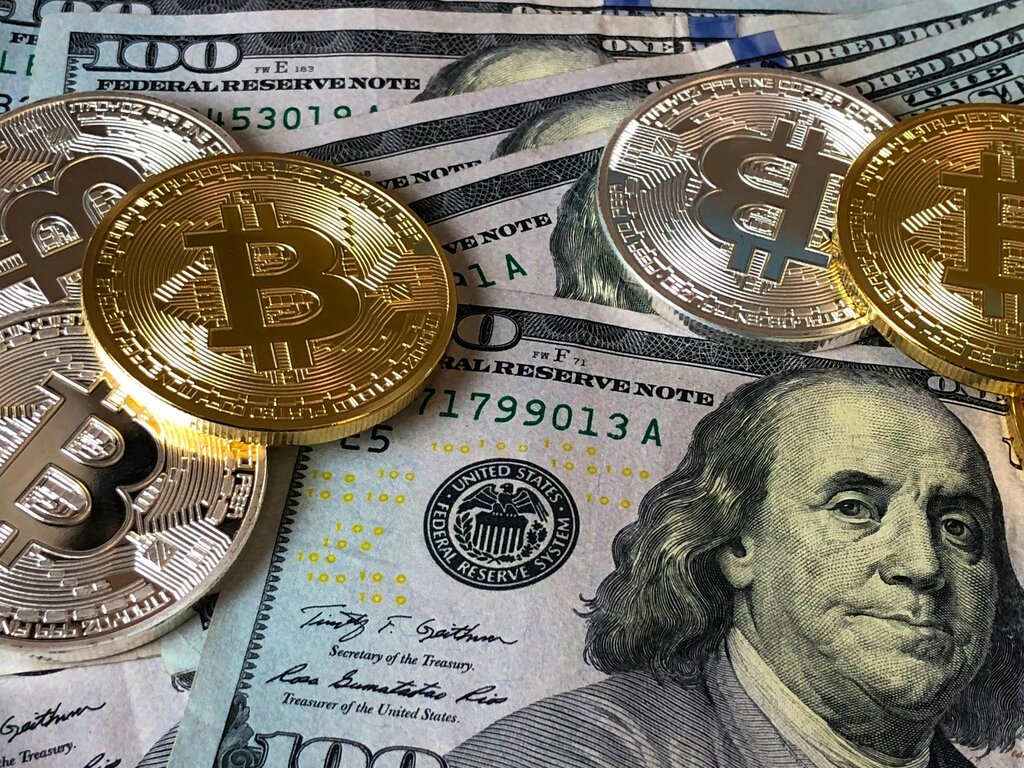
Two Flavors Spot vs Futures
Not all Bitcoin ETFs are created equal. They come in two main varieties: spot and futures. The difference lies in what the fund actually holds.
A spot Bitcoin ETF directly owns Bitcoin. The fund manager buys real Bitcoin and stores it securely. When you buy a share of a spot ETF, you're buying a small piece of that pool of Bitcoin. The value of your share moves in direct proportion to the price of Bitcoin itself. It's the most straightforward way to get exposure to Bitcoin's price without holding the asset yourself.

A Bitcoin futures ETF, on the other hand, doesn't hold any Bitcoin. Instead, it invests in Bitcoin futures contracts.
Futures Contract
noun
An agreement to buy or sell an asset at a predetermined price at a specific time in the future.
These contracts are bets on Bitcoin's future price. The ETF's performance is tied to the value of these contracts, not necessarily the current price of Bitcoin. This can sometimes cause the ETF's price to differ from the spot price of Bitcoin, a phenomenon known as tracking error.
| Feature | Spot Bitcoin ETF | Futures Bitcoin ETF |
|---|---|---|
| Underlying Asset | Actual Bitcoin | Bitcoin futures contracts |
| Price Tracking | Directly tracks Bitcoin's price | Tracks Bitcoin's future price |
| Complexity | More straightforward | More complex; can have tracking error |
Keeping the Price Right
A key challenge for any ETF is ensuring its market price on the stock exchange stays close to the actual value of the assets it holds. If an ETF share costs $50 but the underlying assets are only worth $48, something is wrong. This is where Authorized Participants, or APs, come in.
APs are large financial institutions that have a special agreement with the ETF provider. They have the unique ability to create and redeem large blocks of ETF shares directly with the fund.
This creation and redemption mechanism acts as a price-balancing tool. If the ETF's price on the market drifts higher than the value of its Bitcoin, APs will buy up the cheaper Bitcoin, create new ETF shares, and sell them on the market for a profit. This increases the supply of ETF shares, pushing the price back down.
If the ETF's price falls below its asset value, APs do the reverse. They buy the cheap ETF shares, redeem them for the more valuable Bitcoin, and sell the Bitcoin. This reduces the supply of ETF shares, pushing the price back up. This process, called arbitrage, ensures the ETF price stays honest.
The Path to Approval
Bringing a Bitcoin ETF to market isn't easy. In the United States, these products require approval from the Securities and Exchange Commission (SEC), the primary regulator of financial markets. The journey to approval for Bitcoin ETFs has been long and complicated.

For years, the SEC rejected applications for spot Bitcoin ETFs, citing concerns about potential market manipulation, custody of the assets, and investor protection. Regulators wanted to be sure that the underlying Bitcoin market was mature and safe enough to support a mainstream investment product.
Bitcoin futures ETFs were approved first, partly because the futures market itself is heavily regulated in the U.S. Finally, in early 2024, after many years of applications and legal challenges, the SEC approved the first wave of spot Bitcoin ETFs, marking a major milestone for the integration of cryptocurrency into the traditional financial system.
What is the primary difference between a spot Bitcoin ETF and a Bitcoin futures ETF?
In the context of ETFs, what is the role of an Authorized Participant (AP)?
Bitcoin ETFs offer a new, regulated way for investors to access the cryptocurrency market through familiar channels, blending the old world of finance with the new.