Inbox Zero Automation Mastery
Understanding Inbox Zero
What Is Inbox Zero?
Your email inbox probably feels like a never-ending to-do list created by other people. Every new message is another demand on your time and attention. The idea of reaching an empty inbox might sound like a fantasy, but it’s the core of a popular productivity method called Inbox Zero.
Inbox Zero is "a thing" created by Merlin Mann, founder of 43 Folders, that insists it is not about the amount of messages in your Outlook inbox or Gmail account, but rather how much of your brain is in that inbox.
The goal isn't just to hit the number zero. It's a system for processing emails efficiently so they don't pile up and occupy mental space. Think of it less as a strict rule and more as a mindset. The point is to make quick, decisive actions on every email so your inbox is no longer a source of stress. It's a place for communication, not a messy archive or a task list you can't control.
The Psychology of a Full Inbox
A cluttered inbox does more than just look messy. It can be a constant source of low-grade anxiety. Each unread email represents an unanswered question, an unmade decision, or an uncompleted task. This digital clutter competes for your attention, making it harder to focus on the work that actually matters. When you're constantly distracted by notifications and the visual weight of hundreds or thousands of messages, your productivity suffers.
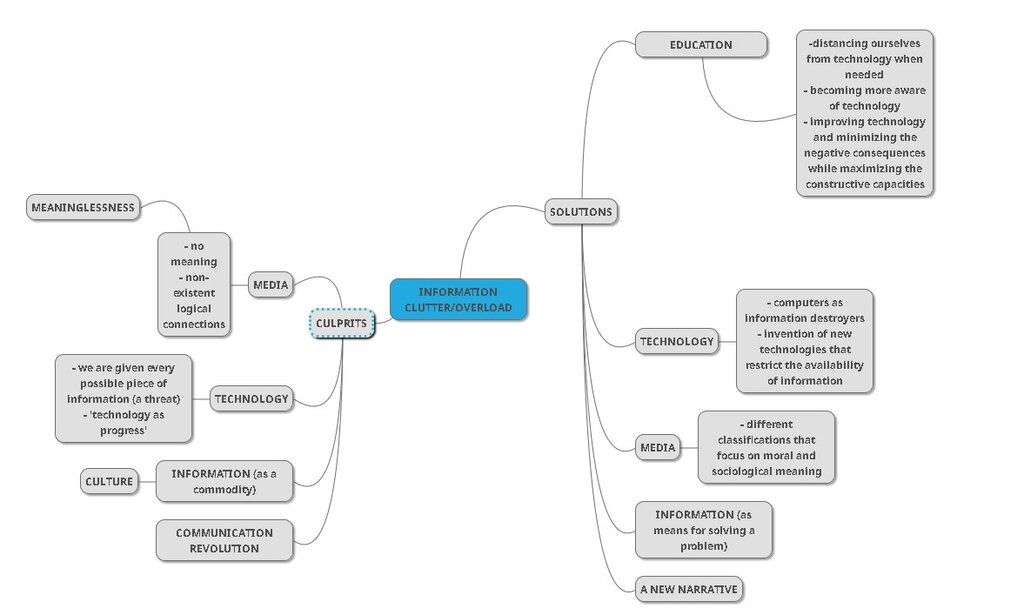
This feeling of being overwhelmed is often called email overload. It can lead to a state where you're always reacting to new emails instead of proactively managing your day. By clearing out your inbox, you reclaim your focus and create a clear space to think. The benefits are both psychological and practical. You feel less stressed, more in control, and you’re less likely to miss important messages buried under a pile of digital noise.
Common Hurdles
If reaching Inbox Zero were easy, everyone would do it. Several common challenges get in the way. The sheer volume of incoming mail is the most obvious one. We're flooded with newsletters, notifications, spam, and personal messages every day.
Another major hurdle is indecision. Many emails don't have a clear, immediate action. Do you need to reply now? Save it for later? Is it important? This uncertainty leads to procrastination, and the email sits in your inbox indefinitely. People also tend to use their inbox as a catch-all for tasks, reminders, and files. It feels safe to leave an email there so you don't forget it, but this mixes communication with task management, creating a system that does neither job well.
The fear of deleting something important often keeps us from clearing out messages that we will never look at again.
To overcome these challenges, you need a simple, repeatable system for processing every email that arrives. The core principle is to make a decision immediately. Does this email require a quick reply? Is it a task you need to schedule? Or is it something you can delete or archive right away? By turning this decision-making process into a habit, you stop emails from piling up in the first place.
Ready to test what you've learned about the philosophy behind Inbox Zero?
What is the primary goal of the Inbox Zero methodology?
A constantly cluttered inbox can lead to a state of 'email overload'. What is a primary psychological consequence of this condition?
Now you know the 'why' behind Inbox Zero. Next, we'll explore the specific actions you can take to make it a reality.