In Vitro Diagnostics Explained
Introduction to IVDs
What Happens in the Lab?
When you visit a doctor, they often need more information than what they can see or hear. They might take a small sample of blood, urine, or tissue. But what happens next? These samples are sent to a lab for tests known as in vitro diagnostics, or IVDs.
in vitro
adjective
A process performed or taking place in a test tube, culture dish, or elsewhere outside a living organism.
The term comes from Latin, meaning "in the glass." It describes any medical procedure or test that's done outside of a living body, in a controlled environment like a petri dish or test tube. This is the opposite of an in vivo procedure, which means "within the living."
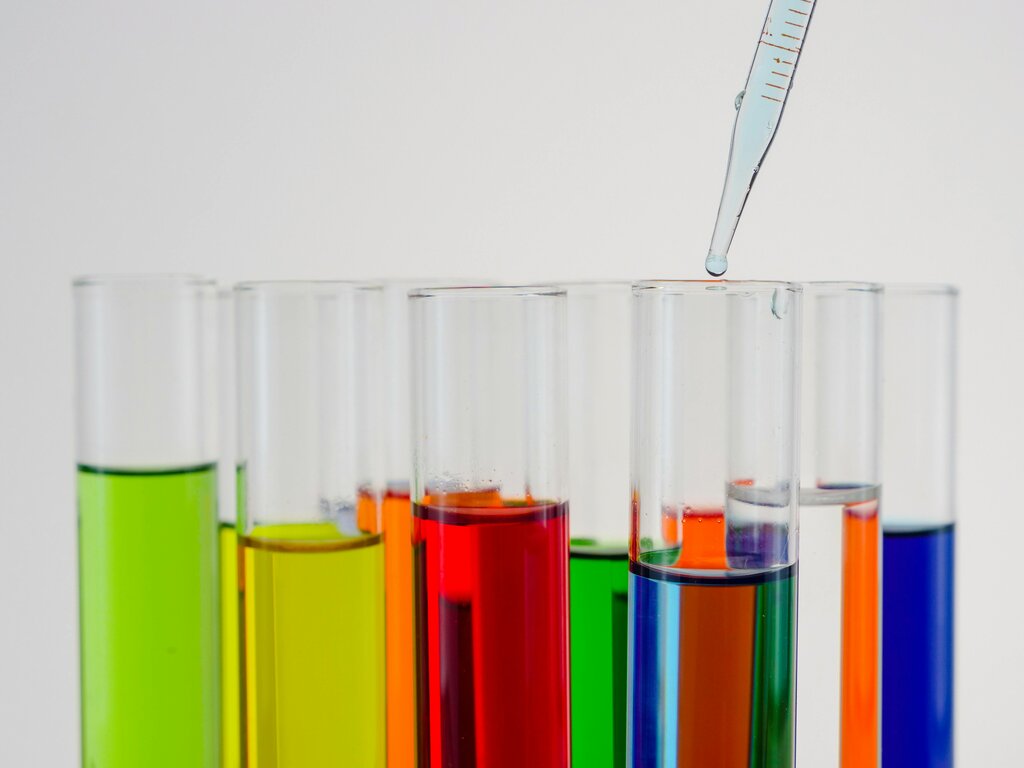
Think of it this way: a blood pressure reading taken with a cuff on your arm is an in vivo measurement. But when a small vial of your blood is analyzed by a machine to check your cholesterol levels, that's in vitro diagnostics at work.
A Window Into Your Health
IVDs are crucial because they give healthcare providers a detailed look at what's happening inside your body at a molecular level. These tests can reveal signs of disease long before symptoms appear, confirm a suspected diagnosis, or help monitor how well a treatment is working. They are the unseen workhorses of modern medicine, providing objective data that guides countless clinical decisions every day.
Without IVDs, doctors would be working with incomplete information, making it harder to diagnose and treat illnesses effectively.
The applications of IVDs are incredibly broad. They play a vital role in three main areas:
| Application Area | Description |
|---|---|
| Disease Detection | Identifying illnesses like infections, genetic disorders, or cancer. A simple blood test can screen for diabetes by measuring glucose levels. |
| Health Monitoring | Tracking a chronic condition over time. Patients with kidney disease, for example, have regular tests to monitor their kidney function. |
| Treatment Management | Guiding medical decisions. IVDs can determine which antibiotic will be most effective against a bacterial infection or check if a medication is at the right dose. |
From a routine check-up to managing a complex illness, IVDs provide essential information. They empower both doctors and patients with the knowledge needed to maintain health and fight disease effectively. These tests transform simple biological samples into powerful insights, forming a cornerstone of personalized and evidence-based medicine.