In-Site Resource Utilization and Critical Materials
Introduction to Resource Utilization
What is Resource Utilization?
At its core, resource utilization is simply the process of taking materials from the natural world and using them to meet our needs. It's the story of how we turn trees into tables, iron ore into cars, and sunlight into electricity. Every object in your room and every bite of food on your plate is a product of this fundamental process.
This isn't just an industrial concept; it's the foundation of human civilization. From early humans crafting tools from stone to modern societies building complex global supply chains, our progress has always been tied to our ability to find, extract, and transform natural resources.
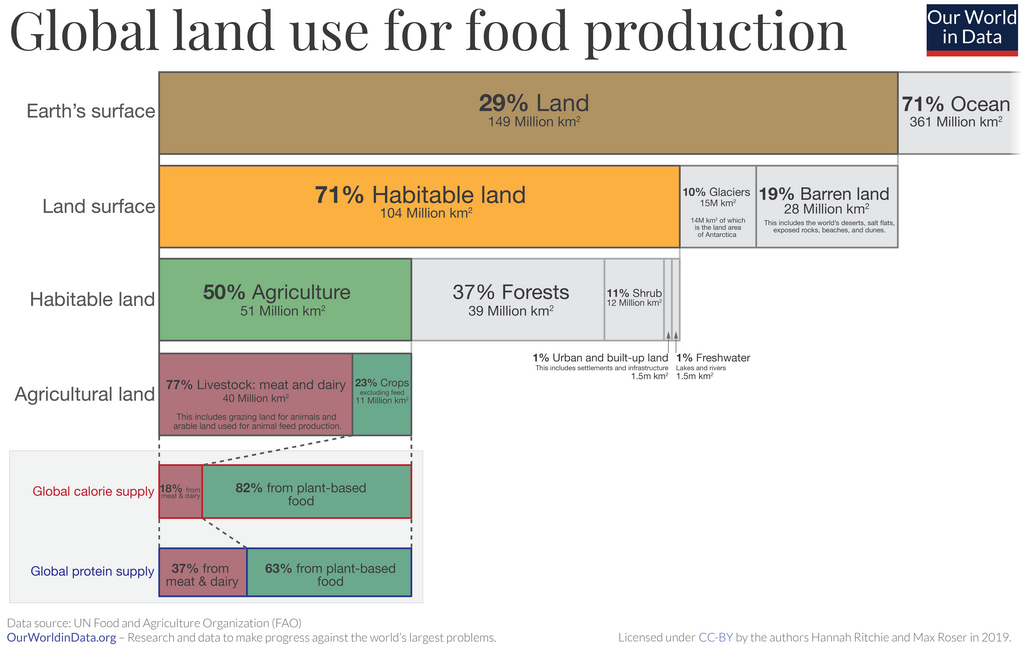
Two Sides of the Same Coin
Natural resources fall into two broad categories: renewable and non-renewable. Understanding the difference is key to understanding how we manage them.
Renewable resources are those that replenish themselves over a human lifespan. Think of solar energy, wind, water, and timber. The sun will keep shining, the wind will keep blowing, and new trees can grow. They seem infinite, but there's a catch.
Even renewable resources have their limits. If we harvest them faster than they can recover, they can be depleted.
Non-renewable resources, on the other hand, are finite. Once they're gone, they're gone for good, at least on any meaningful timescale. This category includes fossil fuels like coal, oil, and natural gas, as well as minerals and metals like iron, copper, and aluminum. These were formed over millions of years, and we are using them up far faster than they could ever be replaced.
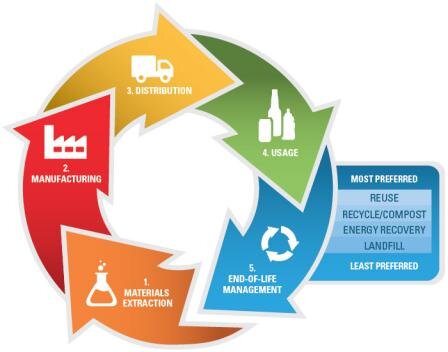
The Need for Sustainable Management
Because non-renewable resources are limited and renewable ones can be overused, how we manage them becomes critically important. This is where sustainable resource management comes in. The goal is simple but challenging: meet the needs of today without preventing future generations from meeting their own needs.
Sustainable practices involve using resources more efficiently, reducing waste, and transitioning to renewable alternatives wherever possible. It means thinking about the entire lifecycle of a product, from its creation to its disposal. Can it be recycled? Can its components be reused? This shift in thinking is essential for long-term environmental health and economic stability.
True sustainability is achieved in daily practice — through renewable energy, water stewardship, zero-waste strategies, and the celebration of locally sourced materials and food.
Some resources are so important for modern technology that they get their own special designation: critical materials. These are elements and minerals that are essential for key industries—like electronics, renewable energy, and defense—but whose supply chains are vulnerable to disruption. Examples include lithium for batteries, rare earth elements for magnets in wind turbines and electric vehicles, and cobalt for high-strength alloys.
Managing these critical materials sustainably is a major focus for governments and industries worldwide. It involves diversifying supply sources, investing in recycling technologies, and researching alternative materials to ensure our technological progress can continue without interruption.
Let's review these core concepts.
Which of the following is considered a non-renewable resource?
Sustainable resource management aims to meet the needs of the present without compromising the ability of ________ to meet their own needs.
Understanding how we use the planet's resources is the first step toward building a more sustainable future.