Improve Your Singing Voice
Vocal Anatomy
Your Built-In Instrument
Your voice is an instrument, but unlike a guitar or piano, you can't see most of its moving parts. To sing well, you need to understand how this instrument works. It's not about memorizing complex medical terms, but about building a mental map of your body. This map will help you control your sound, improve your technique, and sing with more freedom and confidence.
We'll start with the power source of your voice: your breath, which is controlled by a crucial muscle you’ve probably heard of but might not fully understand.
The Engine of Your Voice
Every sound you make begins with air leaving your lungs. The muscle that manages this process is the diaphragm. It’s a large, dome-shaped sheet of muscle sitting just below your lungs, separating your chest from your abdomen.
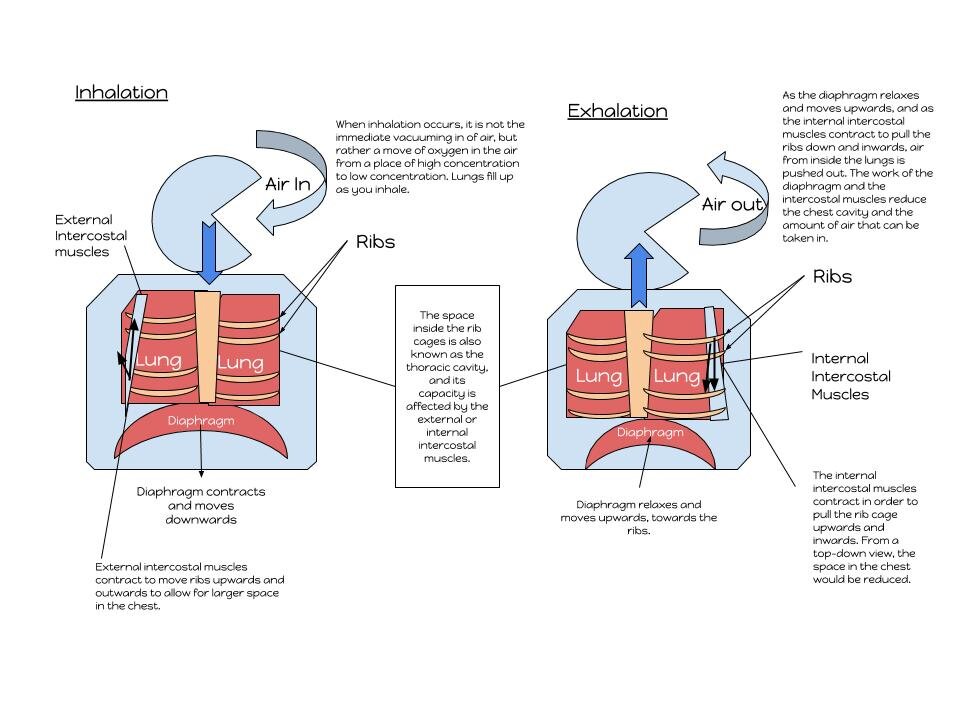
When you inhale, your diaphragm contracts and moves downward. This creates more space in your chest cavity, causing your lungs to expand and pull in air. It’s an active, muscular process.
When you exhale, the diaphragm relaxes and moves back up to its dome shape. This pushes air out of the lungs. For singing, you learn to control this release of air, making it slow and steady instead of just letting it all go at once. Think of it like letting air out of a balloon. You can either let it fly around the room, or you can pinch the opening and release a steady, controlled stream of air to create a high-pitched squeal. Singing is all about that controlled release.
Your diaphragm is the engine. Proper breath control, powered by the diaphragm, provides a stable and consistent column of air for your voice to ride on.
The Source of Sound
Once the air leaves your lungs, it travels up your windpipe, also called the trachea. At the top of the trachea sits the larynx, or voice box. This is where the magic of sound production happens.
larynx
noun
A hollow muscular organ forming an air passage to the lungs and holding the vocal folds; the voice box.
The larynx is a complex structure of cartilage, muscle, and ligaments. You can feel it from the outside of your neck—it's the bump often called the Adam's apple, which is more prominent in men but present in everyone.
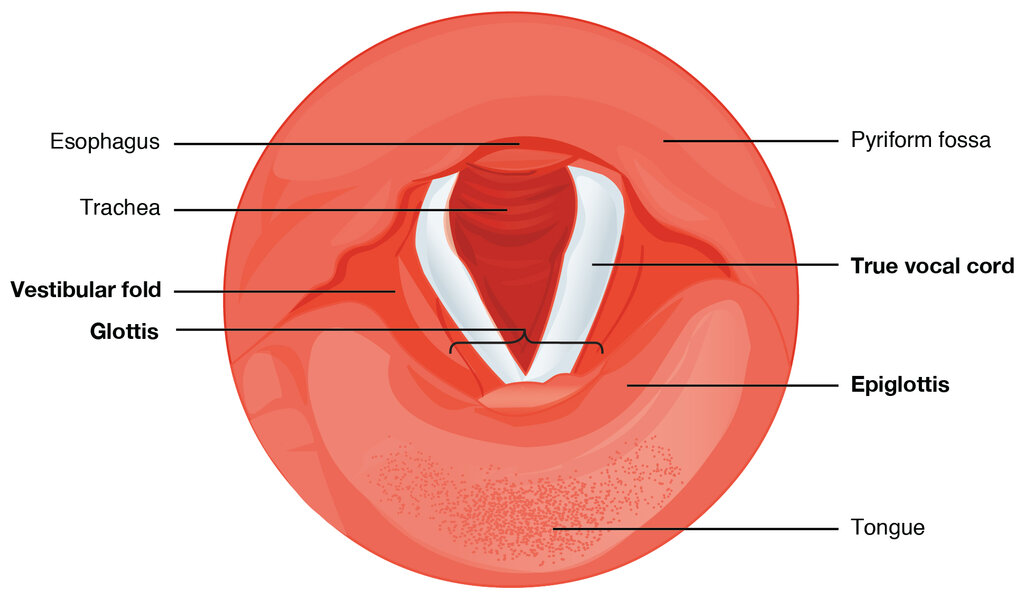
Inside the larynx are two small, elastic bands of muscle tissue called the vocal folds, or vocal cords. When you breathe silently, the vocal folds are open, creating a space called the glottis for air to pass through freely.
When you decide to sing or speak, your brain sends a signal for the vocal folds to come together. As air from your lungs pushes through this narrowed opening, it causes the folds to vibrate rapidly. This vibration is what creates the initial sound wave of your voice.
The pitch of the sound is determined by the speed of these vibrations. Faster vibrations create a higher pitch, while slower vibrations create a lower pitch. You change this speed by adjusting the tension and length of your vocal folds, much like tightening or loosening a guitar string.
So, the process is simple in theory:
- The diaphragm controls the release of air from the lungs.
- This air travels up the trachea to the larynx.
- The air passes through the vocal folds, causing them to vibrate and create a sound wave.
This basic sound is then shaped and amplified by your throat, mouth, and nasal cavities, but it all starts with the breath and the vocal folds.
Let's check your understanding of these core concepts.
What is the primary muscle responsible for controlling the flow of air from the lungs for singing?
What happens to the diaphragm when you inhale?
Understanding these three parts—the diaphragm, the larynx, and the vocal folds—gives you a solid foundation for everything that comes next in learning to sing.