Impressionist Painting Techniques
Introduction to Impressionism
The Art of the Impression
In the mid-19th century, the art world had clear rules. Paintings were expected to be polished, precise, and grand. They depicted historical events, mythological tales, or formal portraits of the wealthy. The goal was realism, so perfect that you couldn't see a single brushstroke. The most prestigious place to exhibit this kind of work was the annual Paris Salon, a juried exhibition run by the French government.
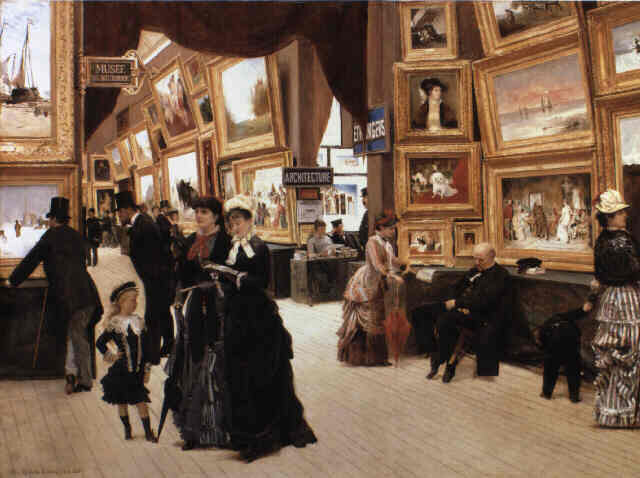
But a group of young artists in Paris felt this style was stiff and out of touch. They weren't interested in painting gods or generals. They wanted to capture the world around them as they actually saw it: messy, vibrant, and constantly changing. They were fascinated by the way light flickered on water, how a bustling city street felt at dusk, or the casual posture of a dancer backstage. They wanted to paint not the thing itself, but the impression it made on the eye in a fleeting moment.
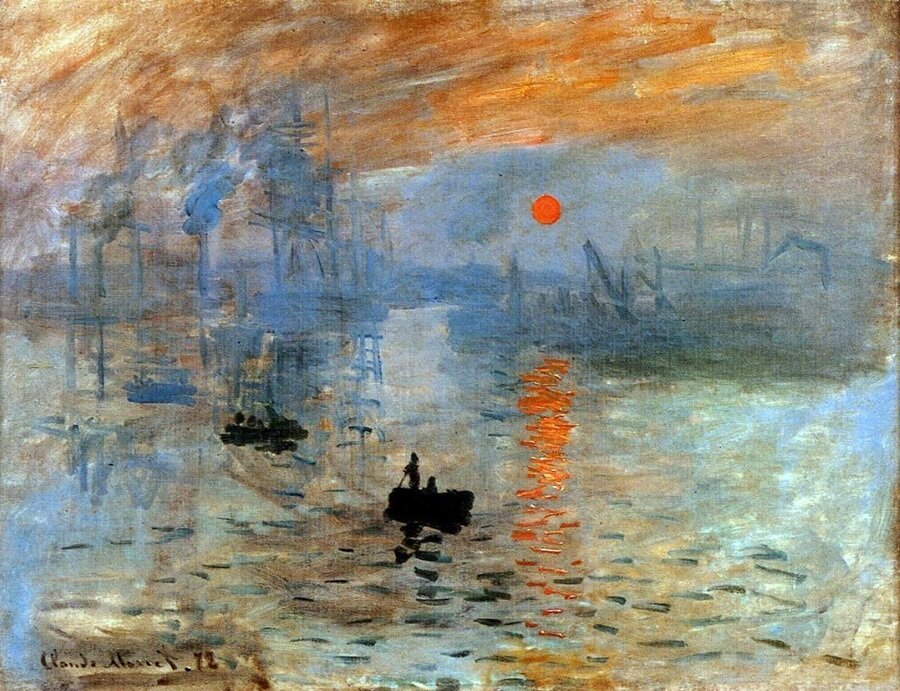
The Impressionists sought to capture the former – the optical effects of light – to convey the passage of time, changes in weather, and other shifts in the atmosphere in their canvases.
Initially, the establishment mocked them. When Claude Monet exhibited a painting of a misty harbor scene, one critic seized on its title, "Impression, Sunrise," and used it to insult the entire group as mere "Impressionists." The name, meant as a slight, stuck.
Painting Modern Life
The Impressionists were the first artists to truly embrace modern life as their primary subject. This was a radical departure from tradition. Their world was one of rapid change. Cities like Paris were expanding, with new boulevards, parks, and cafés. A growing middle class had leisure time to spend at the opera, the ballet, or on weekend trips to the countryside.
This new world became their studio. Instead of working indoors, many Impressionists painted en plein air, or "in the open air," to better capture the changing effects of daylight.
Academic Art vs. Impressionism
Subject: History, myths, formal portraits vs. Everyday life, landscapes, city scenes. Style: Polished, detailed, invisible brushstrokes vs. Visible brushstrokes, focus on light. Setting: Indoor studio vs. Outdoors (en plein air).
Several key figures defined the movement. Claude Monet was obsessed with light and its reflection on surfaces, painting the same subjects—haystacks, cathedrals, water lilies—over and over again at different times of day to capture shifts in atmosphere.
Pierre-Auguste Renoir focused on the joy of life, painting lively social gatherings and intimate portraits with a soft, feathery touch. Edgar Degas, on the other hand, was more of a studio painter, known for his unconventional compositions of dancers, racehorses, and café scenes, capturing moments that felt candid and unstaged.
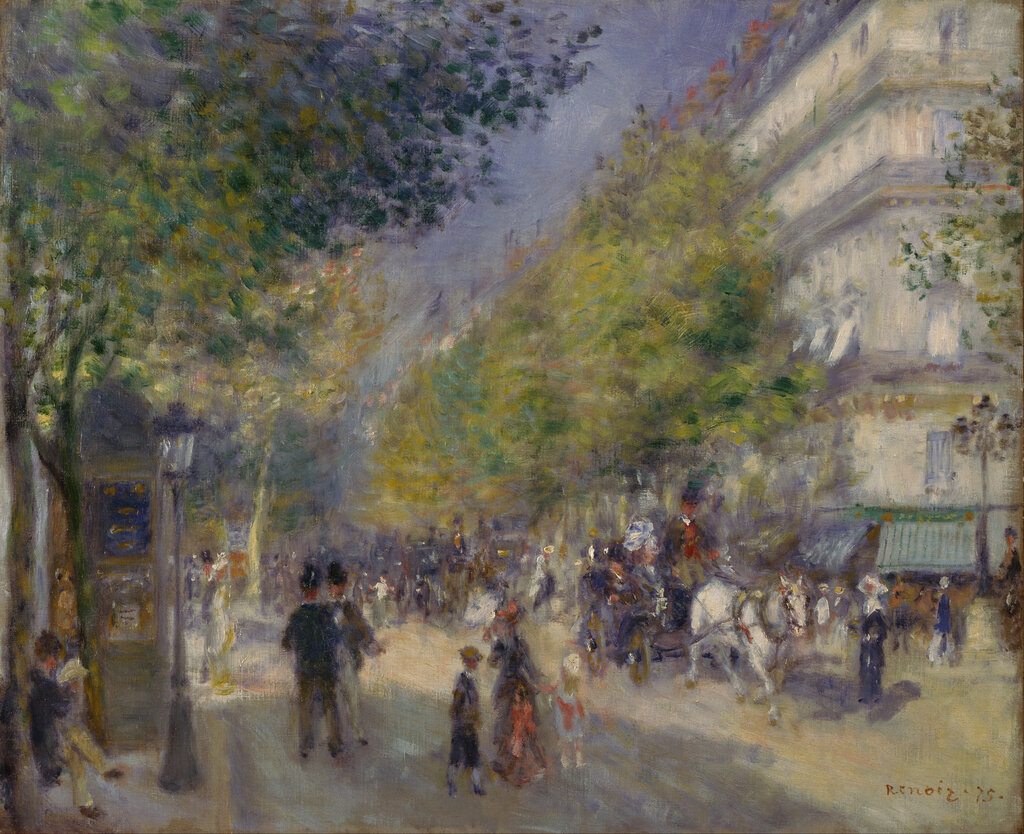
By turning away from the grand narratives of the past and focusing on the beauty and energy of the present, the Impressionists broke the rules and created a new language for art. They showed that a simple landscape or a busy street could be just as powerful and moving as a historical epic.
Ready to check your understanding?
What was the primary goal of the art style that dominated before the Impressionists, as supported by institutions like the Paris Salon?
The term 'Impressionist' was originally intended as a compliment for the artists' innovative style.
This radical new way of seeing the world didn't just end with the Impressionists; it opened the door for all of modern art to follow.