Importing to Dominican Republic from US Online Retailers
Understanding Import Regulations
The Customs Gatekeepers
Every item that enters the Dominican Republic must first pass through the country's customs authority, the Dirección General de Aduanas (DGA). Think of the DGA as the official gatekeeper. Its job is to inspect incoming goods, assess and collect any required taxes and duties, and ensure that everything entering the country complies with national laws.
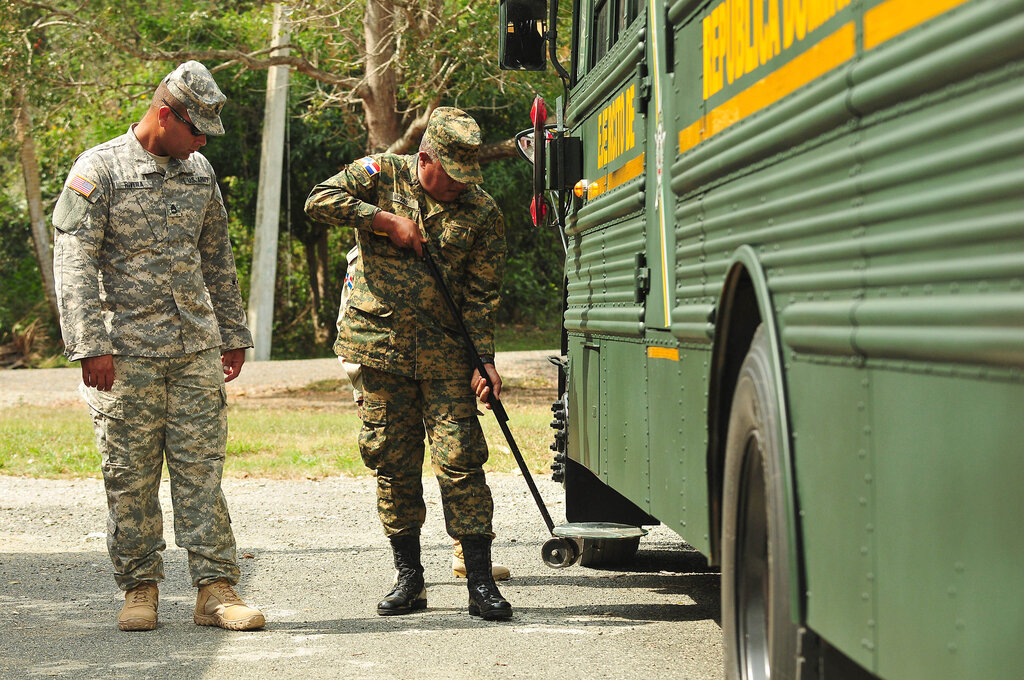
The DGA is responsible for enforcing trade regulations, preventing smuggling, and protecting public health and safety. For anyone importing goods, understanding the DGA's rules is the first and most critical step. They determine the final cost of your shipment and whether it gets cleared for entry or held up at the border.
The CAFTA-DR Advantage
A key factor in trade between the U.S. and the Dominican Republic is the Dominican Republic-Central America Free Trade Agreement, or CAFTA-DR. This agreement was designed to make trade easier and cheaper between the United States and several countries in the region. For many goods originating in the U.S., this agreement eliminates or significantly reduces import tariffs.
CAFTA-DR can mean lower costs, but only if your goods qualify and your paperwork is correct.
However, not every product is automatically duty-free. To benefit from CAFTA-DR, the goods must be proven to originate in the U.S. This is where proper documentation becomes essential. The agreement sets specific rules of origin for different products, so you must verify that your items meet these criteria to claim the preferential tariff treatment.
Your Documentation Checklist
Submitting the correct paperwork is non-negotiable for a smooth customs process. Missing or inaccurate documents are the most common reason for delays, fines, or even seizure of goods. While requirements can vary slightly depending on the product, you will almost always need the following:
| Document | Purpose |
|---|---|
| Commercial Invoice | Details the transaction: seller, buyer, product descriptions, quantities, and value. |
| Bill of Lading / Air Waybill | The contract between the shipper and the carrier; acts as a receipt and title for the goods. |
| Packing List | An itemized list of the shipment's contents, including weights and dimensions. |
| Certificate of Origin | Certifies that the goods were produced in the USA, necessary to claim CAFTA-DR benefits. |
The commercial invoice is particularly important, as the DGA uses it to verify the value of the goods and calculate any applicable taxes, like the Value Added Tax (known as ITBIS in the Dominican Republic). The Certificate of Origin is your ticket to leveraging CAFTA-DR. Without it, you can't claim the reduced tariffs, even if your goods are eligible.
The heart of customs clearance lies in two key components: documentation and regulatory requirements.
What You Can't Ship
Finally, every country maintains a list of items that are either restricted or completely prohibited from being imported. The Dominican Republic is no exception. These rules exist to protect national security, public health, and the environment.
Prohibited items are forbidden entirely. Restricted items require special permits or licenses for import.
Prohibited goods often include items like narcotics, certain weapons, and counterfeit products. Restricted goods might include firearms, certain agricultural products, pharmaceuticals, and chemicals. Importing a restricted item without the proper authorization from the relevant Dominican government ministry will result in its seizure. Before shipping, always check the DGA's most current list of prohibited and restricted items to avoid costly and serious legal issues.
What is the primary function of the Dirección General de Aduanas (DGA) in the Dominican Republic?
What is the main advantage of the CAFTA-DR agreement for many goods originating in the U.S. and shipped to the Dominican Republic?