Import Business in India A Beginner's Guide
Introduction to International Trade
What Is International Trade?
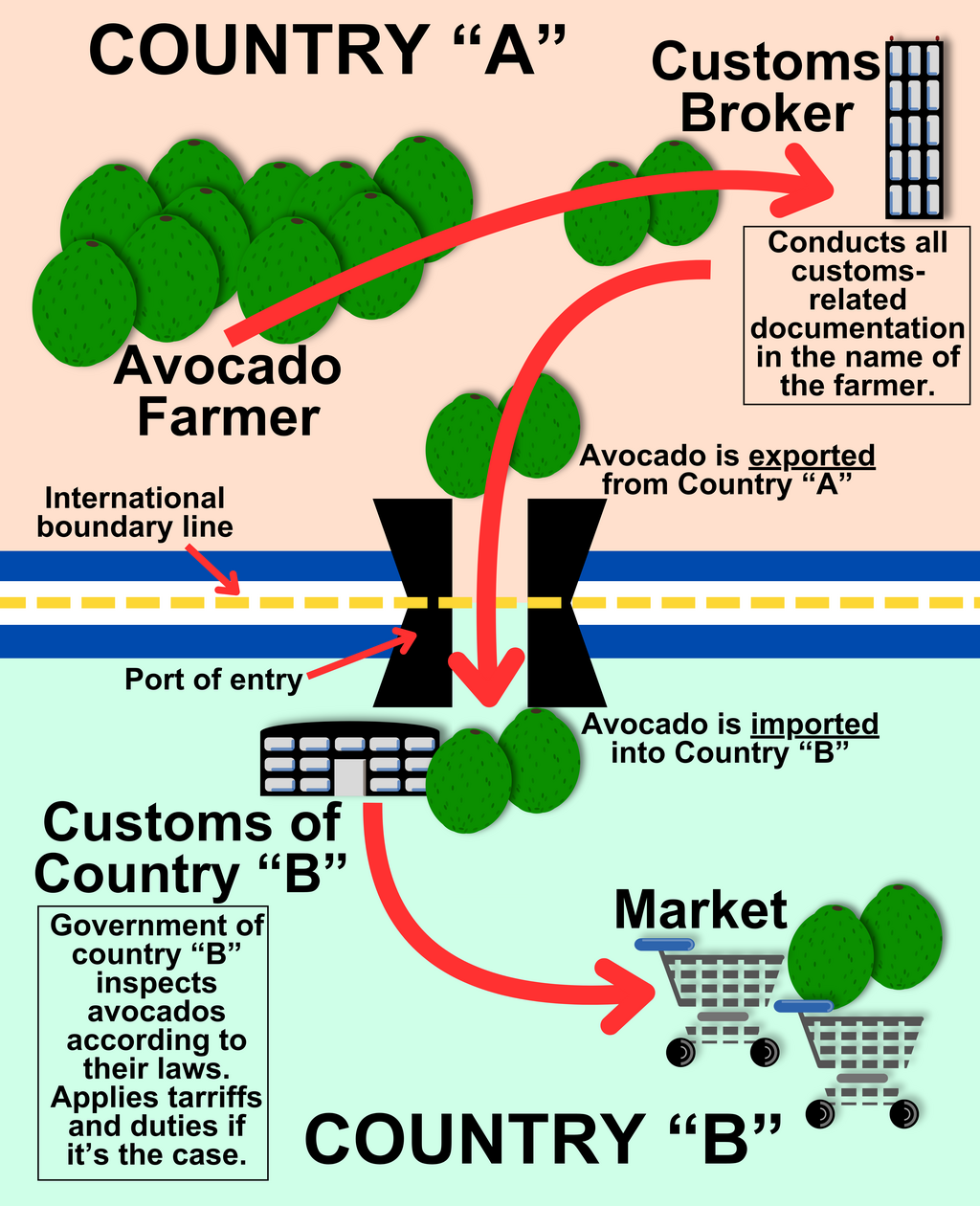
At its heart, international trade is just like the commerce in your own town, but on a global scale. It's the exchange of goods and services between countries. When your country buys something from another country, that’s an import. When your country sells something to another, that’s an export.
Think of it this way: Canada imports bananas from Ecuador because it's too cold to grow them locally. Meanwhile, Canada exports maple syrup to the world because it has an abundance of maple trees.
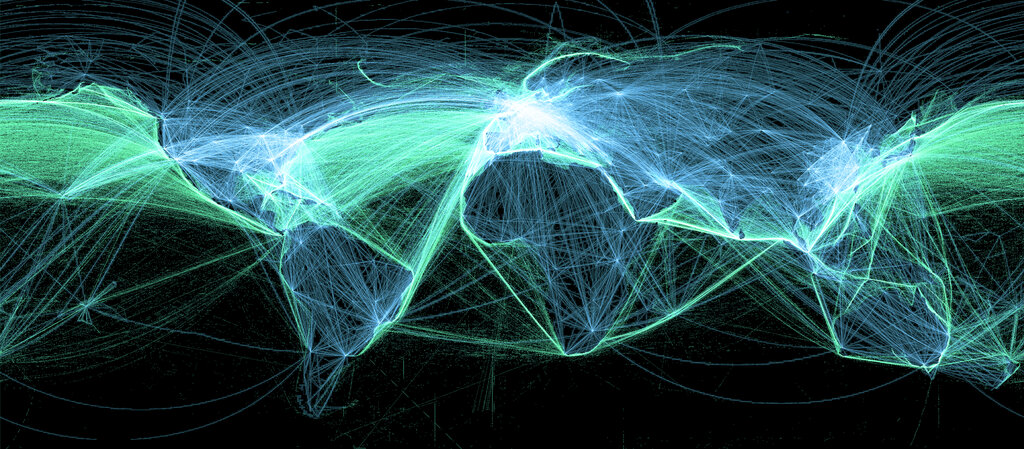
This global marketplace allows countries to access goods and resources they don't have and to sell the ones they do. It connects producers and consumers who are thousands of miles apart, creating a vast network of exchange that shapes our daily lives, from the coffee we drink to the phones we use.
Why Trade With Other Countries?
Countries trade for a few key reasons, all of which boil down to a simple idea: everyone benefits by focusing on what they do best. This is called specialization.
One of the biggest benefits is greater variety. International trade gives us access to products that would otherwise be unavailable or incredibly expensive. It also drives down costs. When a country can produce a good more efficiently than others, it can sell it at a lower price. This competition means consumers pay less and get better quality products.
For a national economy, exporting is a powerful engine for growth. Selling goods and services to other countries creates jobs, brings in revenue, and stimulates innovation as companies compete on a global stage.
But it's not without its challenges. Local businesses can struggle to compete with cheaper imports, potentially leading to job losses in certain industries. Disagreements between countries can lead to tariffs (taxes on imported goods) and other barriers that disrupt trade. And the sheer logistics of moving products across oceans and continents can be incredibly complex.
The Rule Makers
With trillions of dollars in goods and services crossing borders every year, international trade needs a set of rules to keep things running smoothly and fairly. Without them, it would be chaotic.
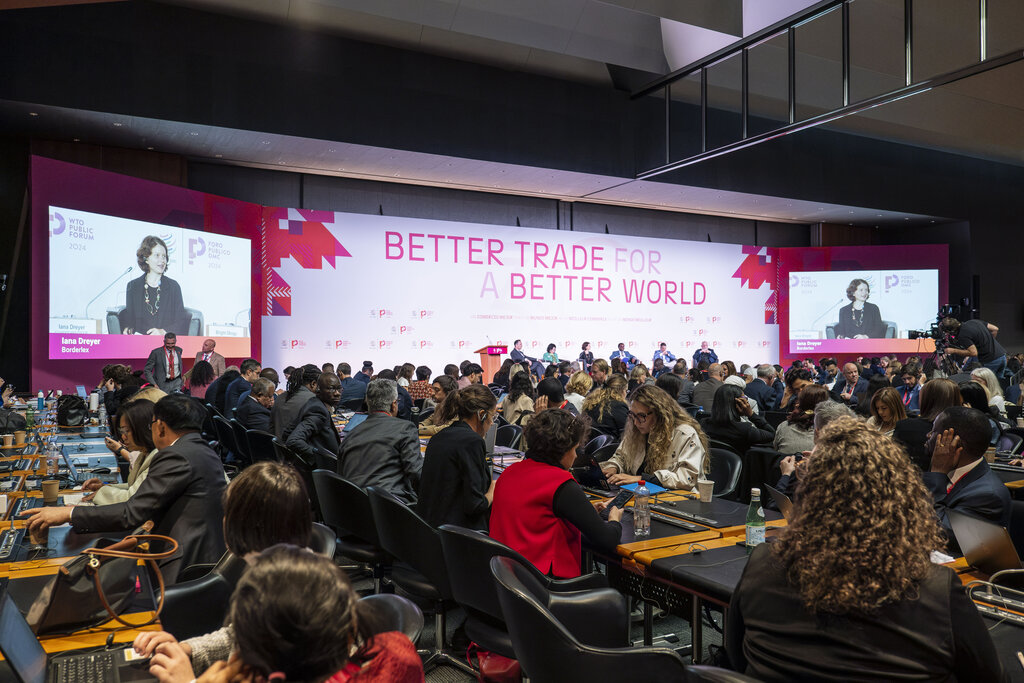
The most important rule-making body is the World Trade Organization (WTO). The WTO is an international organization where member countries come together to negotiate trade agreements and resolve disputes. Think of it as a referee for global trade. Its goal is to ensure that trade flows as predictably and freely as possible.
Other groups, like the International Chamber of Commerce (ICC), also play a role. The ICC creates voluntary rules and standards that businesses around the world use to make trade easier, such as the famous Incoterms that define the responsibilities of buyers and sellers in shipping.
Trade's Impact on Economies
International trade has a profound impact on a country's economy. A nation's economic health is often measured by its Gross Domestic Product (GDP), which is the total value of all goods and services produced within the country. Exports add directly to a country's GDP, making it a crucial component of economic growth.
A strong export sector can lift an entire economy, creating jobs not just in manufacturing but also in logistics, shipping, finance, and marketing.
At the same time, imports can challenge domestic industries. While this competition can spur innovation and efficiency, it can also lead to difficult adjustments if local companies can't keep up. Governments often have to balance the benefits of free trade, like lower prices for consumers, with the need to protect local industries and jobs.
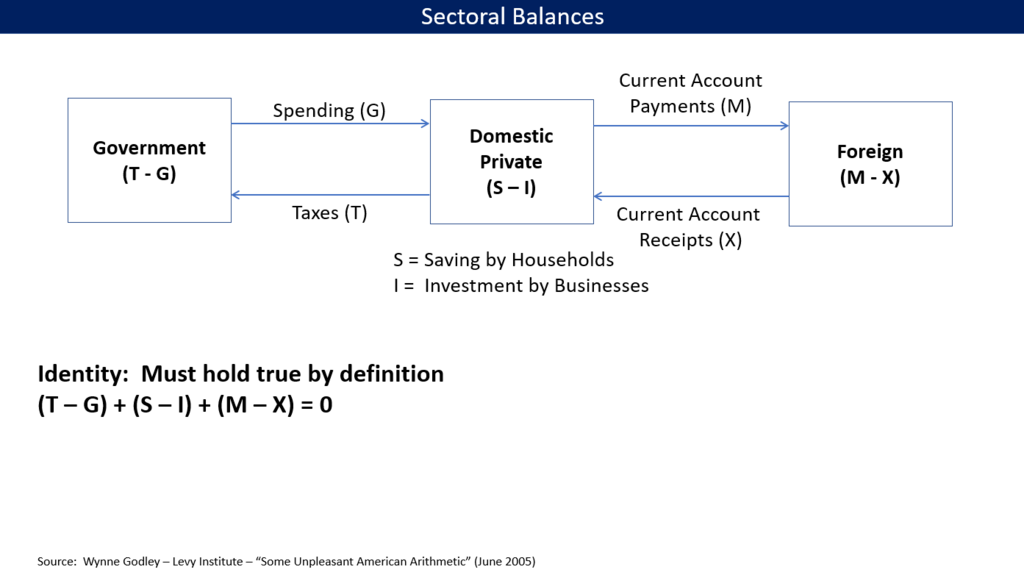
This interplay between buying from and selling to the world is a fundamental force in modern economics, shaping everything from national policy to the prices you pay at the store.