Implementing the Ent Process in Your Organization
Understanding the ENT Process
Mapping the Patient Journey
An Ear, Nose, and Throat (ENT) process isn't just a single event. It's the entire path a patient takes, from their first contact with a clinic to their final follow-up appointment. This journey includes everything from scheduling and initial consultations to diagnostic tests, treatment plans, and post-procedure care.
Think of it as a detailed workflow designed to guide patients smoothly through the healthcare system. Each step is a touchpoint. A well-designed process ensures that patient information is transferred correctly, appointments are timely, and care is coordinated between different specialists and departments. The goal is to make a complex journey feel simple and efficient for the patient.
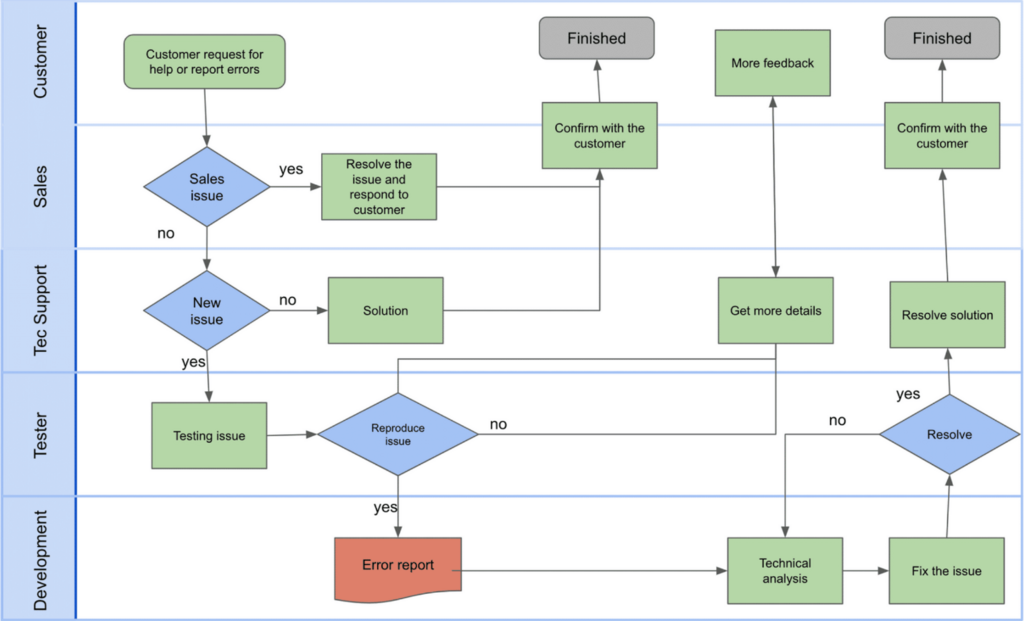
The Power of Standardization
Why is it so important to standardize these workflows? Imagine two patients with the same condition receiving vastly different levels of care at the same hospital simply because they saw different doctors or visited on different days. Standardization prevents this. It creates a consistent, evidence-based framework that all staff members follow.
When a process is standardized, everyone knows their role and what comes next. This reduces medical errors, eliminates redundant tasks, and ensures that every patient benefits from the best practices the clinic has established. It's about turning successful actions into repeatable habits, leading to safer, more reliable patient outcomes.
Common Hurdles
Implementing a smooth ENT process isn't without its challenges. Healthcare is complex, and many factors can disrupt a workflow. Communication breakdowns between the front desk, nurses, and doctors can lead to delays or misinformation. Managing patient data across different systems can be another major hurdle, risking data loss or privacy breaches.
Often, the biggest obstacle is simply resistance to change. Staff may be accustomed to old habits and workflows, making it difficult to adopt a new, standardized process. Overcoming these challenges requires clear communication, robust training, and technology that supports the new system instead of complicating it.
| Challenge | Potential Solution |
|---|---|
| Communication Gaps | Implement a unified communication platform or regular team huddles. |
| Data Management | Use an integrated Electronic Health Record (EHR) system. |
| Resistance to Change | Involve staff in the design process and provide thorough training. |
| Inefficient Scheduling | Adopt an automated scheduling system with patient reminders. |
The Role of Technology
Technology is a key ally in optimizing ENT processes. Electronic Health Records (EHRs) are fundamental, providing a single source of truth for patient information that is accessible to the entire care team. This instantly improves coordination and reduces the chance of errors.
Beyond EHRs, telehealth platforms allow for remote consultations, making follow-up care more convenient for patients. Specialized diagnostic software can analyze images like CT scans more quickly and accurately, helping doctors form a treatment plan faster. These tools don't replace clinical expertise; they enhance it, allowing medical professionals to focus more on patient care and less on administrative tasks.
The right technology streamlines operations, minimizes manual work, and allows healthcare providers to dedicate more time to what matters most: the patient.
Now, let's test your understanding of these core concepts.
What is the primary goal of standardizing the ENT process for patients?
An ENT clinic is struggling with lost patient files and miscommunication between the front desk and the medical team. Which technology is most fundamental to solving this issue?
A well-structured process is the backbone of effective patient care. By standardizing workflows and leveraging technology, healthcare organizations can create a more efficient, reliable, and patient-friendly experience.