Implementing AI Solutions
Problem Definition
Start with the Problem
Before any data is gathered or a single line of code is written, every successful AI project begins with a simple question: What problem are we actually trying to solve?
It’s tempting to get excited about the technology itself, but AI is a powerful tool, not a magic wand. Like a skilled carpenter with a state-of-the-art saw, the tool is only useful if you have a clear blueprint. Without one, you’re just making expensive sawdust. The most common reason AI initiatives fail isn't a technical glitch; it's a fuzzy, poorly defined goal from the very beginning.
Start with a well-defined business problem; AI only works when it solves a specific issue.
Is This an AI Problem?
Not every business challenge is a good fit for an AI solution. AI excels at specific types of tasks, particularly those involving patterns, prediction, and automation at a scale beyond human capability.
Think about tasks that are repetitive and data-heavy. For example, AI is great for:
- Prediction: Answering questions like, "Which customers are most likely to stop using our service in the next three months?" or "What will our inventory needs be for the next quarter?"
- Pattern Recognition: Finding insights in vast amounts of information, such as identifying the most common themes in thousands of customer reviews.
- Automation: Handling high-volume, rule-based tasks, like categorizing incoming support tickets or flagging unusual financial transactions.
On the other hand, problems requiring deep creativity, complex ethical judgment, or building personal relationships are still best left to humans.
| Good for AI | Better for Humans |
|---|---|
| Forecasting next month's sales | Devising a new, creative marketing slogan |
| Identifying fraudulent transactions | Building a relationship with a key client |
| Sorting thousands of images by content | Making a final strategic decision with moral implications |
Crafting a Clear Problem Statement
Once you've identified a good candidate for an AI solution, the next step is to frame it precisely. A strong problem statement acts as your project's north star. It's a clear, concise description of the issue you need to address, the people it affects, and the negative impact it's having.
A good problem statement avoids mentioning solutions. It focuses only on the problem.
For example, instead of saying, "We need an AI chatbot to improve customer service," a better problem statement would be: "Our customer support team spends 30% of its time answering the same five basic questions, leading to long wait times for customers with complex issues and causing employee burnout."
This second version is powerful. It quantifies the problem (30% of time, long wait times) and clarifies the impact (unhappy customers, burned-out employees). It sets a clear target without prematurely deciding that a chatbot is the only answer.
From Problem to Objective
With a clear problem statement, you can define your objective. An objective is a specific, measurable outcome you want to achieve. If the problem is the "why," the objective is the "what."
Let's use our customer service example.
Problem Statement: Our customer support team spends 30% of its time answering the same five basic questions, leading to long wait times for customers with complex issues and causing employee burnout.
Objective: Reduce the volume of basic, repetitive support tickets by 50% within six months. This will free up support agents to focus on high-priority cases and improve our average customer satisfaction score from 3.5 to 4.5 stars.
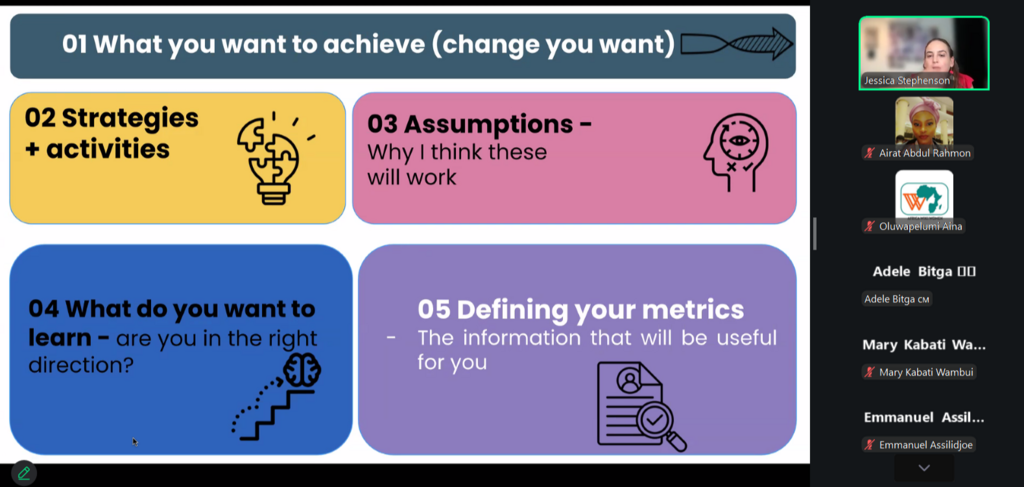
This objective is specific ("reduce...tickets by 50%"), measurable (we can track ticket volume and satisfaction scores), and time-bound ("within six months"). It provides a clear definition of success. The entire team, from data scientists to executives, now knows exactly what they are working toward.
What is the most common reason AI initiatives fail?
Which of the following business challenges is the best fit for an AI solution?
Defining the problem is the foundation of any AI project. By getting this step right, you ensure that you're not just implementing technology for technology's sake, but are solving a real problem and creating tangible value.