Implementation Intentions for ADHD Success
Understanding ADHD
What is ADHD?
Attention-Deficit/Hyperactivity Disorder (ADHD) is a common neurodevelopmental disorder. It's not a matter of being lazy or undisciplined; it's about how the brain is wired. People with ADHD have brains that work differently, especially in areas that control attention, impulses, and energy levels.
ADHD is a neurodevelopmental disorder characterized by inattention, hyperactivity, and impulsivity.
These differences aren't just minor quirks. They create persistent patterns of behavior that can interfere with day-to-day life, from school and work to relationships and personal projects. The experience of ADHD varies greatly from person to person, but it generally revolves around three core types of symptoms.
The Three Core Symptoms
ADHD symptoms are typically grouped into three categories. Some people experience mostly one type, while others have a combination.
1. Inattention: This is more than just daydreaming. Inattention involves a persistent difficulty in sustaining focus, staying organized, and following through on tasks. Someone with inattentive symptoms might easily get sidetracked, lose things frequently, forget appointments, and struggle to listen in conversations. They may avoid tasks that require prolonged mental effort, not because they can't do them, but because staying engaged is incredibly draining.

2. Hyperactivity: This is the symptom most people picture when they think of ADHD. In children, it often looks like constant motion—running, climbing, and an inability to sit still. In adults, this physical restlessness often becomes more internal. It might feel like a constant sense of being "on the go," talking excessively, fidgeting, or an inability to relax and engage in quiet activities.
3. Impulsivity: This symptom involves acting on urges without much thought for the consequences. It can lead to interrupting others, making hasty decisions, or having trouble waiting for one's turn. Impulsivity isn't about being rude; it's a challenge with self-control that stems from how the brain processes inhibition and reward.
neurodevelopmental
adjective
Relating to the development of the nervous system. A neurodevelopmental disorder originates in childhood and involves atypical brain development, affecting emotion, learning, and self-control.
A Look Inside the ADHD Brain
So what's happening on a neurological level? Research points to differences in both the structure and function of the brain in people with ADHD. Key areas involved are the prefrontal cortex and the basal ganglia, which are central to executive functions like planning, prioritizing, and impulse control.
Neurotransmitters, the chemical messengers in the brain, also play a crucial role. Dopamine and norepinephrine are particularly important for regulating attention, motivation, and mood. In the ADHD brain, the signaling pathways for these neurotransmitters are often less efficient. This can make it harder to feel rewarded for completing mundane tasks and more difficult to stay focused on things that aren't immediately interesting.
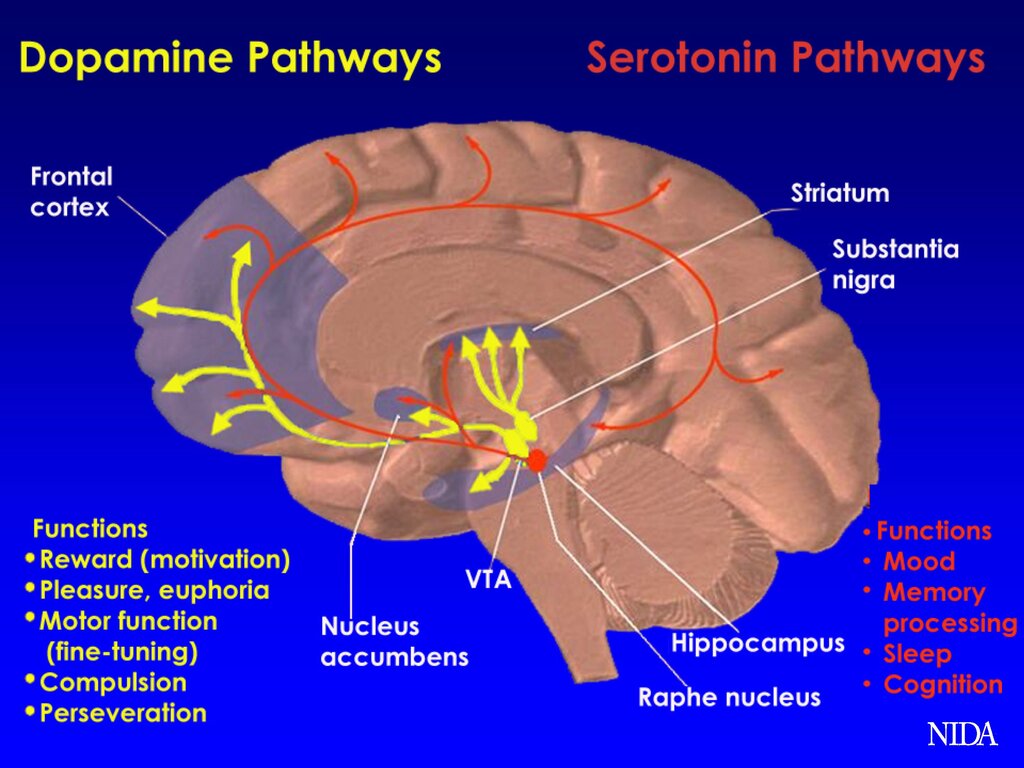
This isn't just about a chemical imbalance. It's a complex interplay of genetics, brain structure, and brain chemistry that creates a unique cognitive profile. This profile comes with both significant challenges and, often, unique strengths like creativity and the ability to think outside the box.
The Procrastination Problem
One of the most common and frustrating challenges for people with ADHD is procrastination, especially when it comes to starting a task. This is often called "task initiation inertia."
From the outside, it might look like laziness. On the inside, it can feel like a mental wall. Because of the differences in the brain's reward system, a task that seems boring or overwhelming may not produce enough dopamine to create the motivation needed to start. The brain is essentially saying, "Why do this uninteresting thing when I could do something else that provides an immediate mental reward?"
This leads to a cycle of avoidance. The person waits until the pressure of a deadline creates enough urgency (and a rush of adrenaline) to finally push through the mental block. This is stressful, inefficient, and can take a toll on self-esteem.
For many with ADHD, the anxiety of not doing a task is less powerful than the mental resistance to starting it.
Understanding that these challenges are rooted in neurology is the first step. It reframes the problem from a moral failing to a matter of brain function. With this knowledge, it becomes possible to find strategies that work with the ADHD brain instead of against it.