Imperial Expansion and the Global Scramble
Technological Imperialism Enablers
The Tools of Empire
For centuries, European contact with Africa and Asia was mostly confined to coastal trading posts. The vast interiors of these continents remained beyond their grasp, protected by difficult terrain, powerful local kingdoms, and deadly diseases. While the Industrial Revolution created an insatiable demand for raw materials and new markets, it was a specific set of technological breakthroughs that truly unlocked the door to inland conquest.
These new tools didn't just make imperialism easier; they made it possible on a continental scale.
Conquering Disease
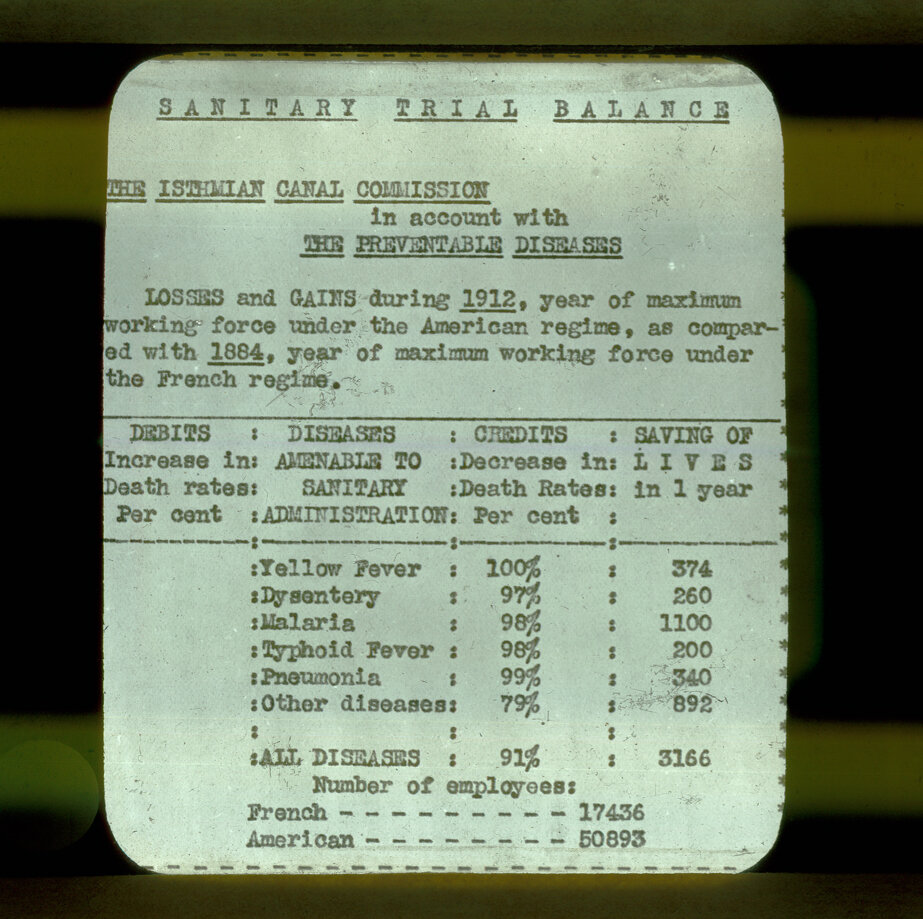
The interior of Africa was famously known as the "White Man's Grave." Malaria, transmitted by mosquitoes, was a swift and efficient killer of Europeans who dared to venture inland. For every ten men sent on an expedition, often only one or two would return. This biological barrier was more effective than any army at keeping outsiders confined to the coast.
The game-changer was , a bitter substance derived from the bark of the South American cinchona tree. By the mid-19th century, Europeans had learned to purify it and administer it as a prophylactic. Taking regular doses of quinine dramatically reduced the risk of dying from malaria. Suddenly, European soldiers, missionaries, and administrators could survive for extended periods in the tropical interior, mapping territories and establishing control.
Upriver and Inland
Getting past the coastline was only the first problem. The next was transportation. Africa's great rivers, like the Congo and the Niger, were natural highways to the interior, but they were often difficult to navigate with sailing ships due to unpredictable winds, strong currents, and shallow waters.
The shallow-draft solved this problem. Independent of wind and powerful enough to fight strong currents, these vessels could push hundreds of miles upriver. They became the workhorses of empire, carrying troops, supplies, and administrators deep into the heart of the continent. Once a foothold was established, railways were often built to connect resource-rich inland areas directly to coastal ports, ensuring a steady flow of raw materials back to Europe.
At the same time, the electric telegraph revolutionized imperial administration. Previously, communication between a colonial governor and their home government could take months. The telegraph, with submarine cables laid across oceans, cut that time to mere hours. This allowed for centralized, real-time control over vast and distant territories, enabling quick military coordination and synchronized policy decisions.
The Decisive Advantage
Prior to the late 19th century, the technological gap in weaponry wasn't always overwhelming. While Europeans had firearms, indigenous armies often had superior numbers, local knowledge, and effective tactics. Battles were frequently hard-fought and European victories were not guaranteed.
This balance of power was shattered by the invention of the in 1884. As the first fully automatic machine gun, it could fire 600 rounds per minute, the equivalent firepower of about 30 riflemen. It was a devastating weapon against massed infantry charges, which were a common tactic for many African and Asian armies.
The Maxim gun transformed colonial skirmishes into one-sided massacres, making conquest faster and cheaper in terms of European lives.
Combined, these technologies—quinine, the steamship, the telegraph, and the Maxim gun—created a powerful toolkit for conquest. They neutralized Africa's natural defenses and overturned the existing military balance, making the rapid colonization of the continent not only desirable for industrial nations, but finally achievable.
Ready to test your knowledge on the tools that enabled a new era of empire?
What medical breakthrough was crucial for Europeans to survive the deadly diseases of inland Africa, particularly malaria?
Which transportation technology allowed Europeans to overcome the challenges of unpredictable winds and strong currents to travel deep into Africa via its large rivers?
These advancements allowed European powers to project force and administrative control across vast distances, fundamentally reshaping the global map in just a few decades.