Impact of Fitness Testing on Student Wellness
Physiological Markers of Fitness
Beyond the Scoreboard
Physical fitness tests often feel like a competition, a simple ranking of who can run the fastest or do the most push-ups. But their real value isn't on a leaderboard. These assessments are powerful diagnostic tools, offering a window into our underlying physiological health. They provide critical data on our cardiovascular, musculoskeletal, and metabolic systems.
Viewing these tests through a clinical lens shifts the goal from simply achieving a high score to understanding our body's functional health. It’s less about being the best in the class and more about building a foundation for long-term well-being.
Individual assessments identify current fitness levels, movement limitations, and health considerations that inform program design decisions.
Heart Health Check
A key marker of health is cardiovascular endurance, or how efficiently your heart and lungs supply oxygen to your muscles during sustained activity. Tests like the 20-meter shuttle run, also known as the PACER test, are designed to measure this. The test isn't just about running back and forth; it's a practical way to estimate your .
VO2 max is the maximum rate of oxygen your body can consume during intense exercise. It's a gold-standard metric for aerobic fitness. While a direct measurement requires laboratory equipment, the shuttle run provides a strong, accessible estimate. A higher estimated VO2 max indicates a more efficient cardiovascular system, which is one of the strongest predictors of long-term health and reduced risk for chronic diseases.
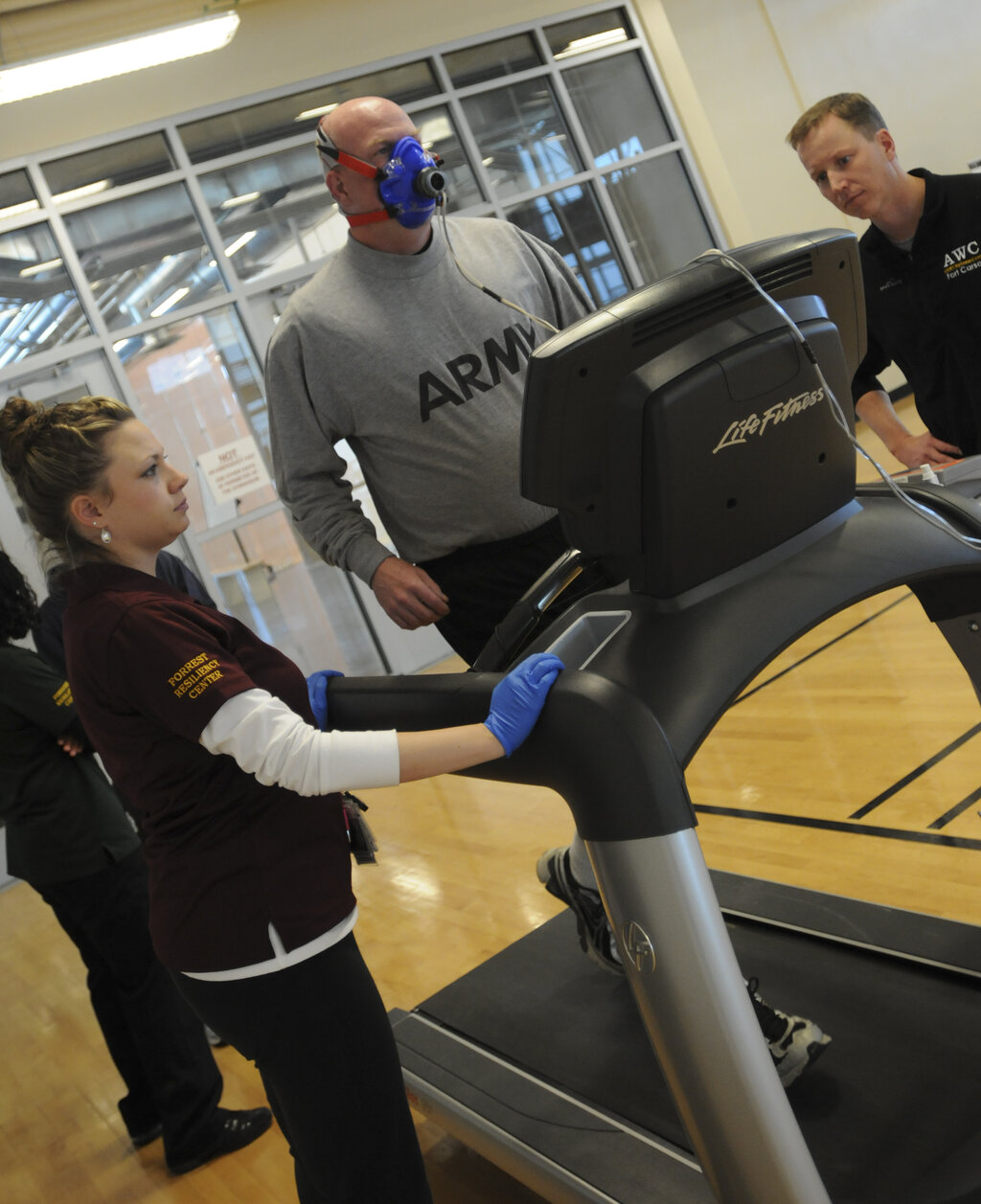
The physiological protective effects of high fitness are clear: a strong heart and efficient lungs reduce the strain on your body not just during exercise, but throughout daily life.
The Body's Framework
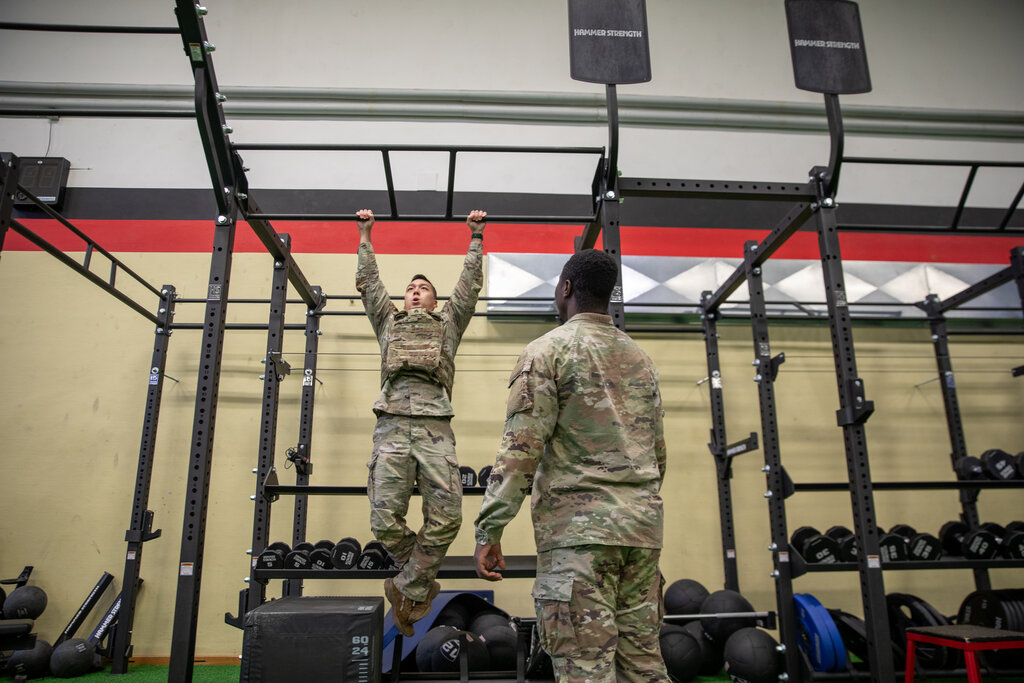
Beyond the heart, fitness tests evaluate the health of our structural system. Measures of muscular strength, such as the handgrip strength test or a standing long jump, are indicators of overall . This isn't just about raw power; greater strength is linked to better metabolic health, bone density, and a lower risk of injury.
Flexibility, often assessed with the sit-and-reach test, is another crucial component. Good flexibility in the hamstrings and lower back supports better posture and can reduce the likelihood of chronic pain and injuries later in life. These tests provide a baseline understanding of the body’s functional capacity and its ability to move freely and without pain.
Assessing Metabolic Risk
Fitness assessments also include metrics to screen for cardiometabolic risk, which is the chance of developing conditions like heart disease, stroke, or type 2 diabetes. Body composition is a key part of this picture. (BMI), a simple calculation using height and weight, is a common screening tool used to categorize weight status on a population level.
However, BMI doesn't tell the whole story, as it can't distinguish between muscle and fat. That's why it's often paired with other measurements like waist circumference. A larger waist circumference can indicate higher levels of visceral fat, which is the fat stored around internal organs. This type of fat is more metabolically active and is strongly linked to increased cardiometabolic risk. Together, these measurements provide a more nuanced snapshot of a person's potential health risks.
Cardiometabolic
adjective
Relating to the heart (cardio) and the chemical processes involved in the body's use of energy (metabolic). Cardiometabolic health refers to having ideal levels of blood pressure, blood sugar, and cholesterol.
Taken together, these tests paint a comprehensive picture. They are not isolated grades but interconnected data points that reveal the state of our body's core systems. The focus is diagnostic: identifying areas of strength and uncovering potential risks. This allows for targeted interventions to improve not just a score, but overall, long-lasting health.
Now, let's check your understanding of these diagnostic tools.
What is the primary value of physical fitness assessments when viewed from a clinical or diagnostic perspective?
The 20-meter shuttle run (PACER test) is a practical way to estimate what gold-standard metric of aerobic fitness?
By viewing fitness through this lens, we can see that every test is an opportunity to learn more about our bodies and take proactive steps toward a healthier future.