Immigration in France and the UK
Introduction to European Immigration
A Continent on the Move
Europe is often seen as a continent of ancient, settled nations. But its history is really a story of constant movement. From its earliest days, Europe has been shaped by people migrating, conquering, and trading across its lands. Groups like the Celts, Romans, Goths, and Slavs spread across the continent, mixing and laying the foundations for the cultures we know today. These weren't isolated events; they were waves of change that redefined Europe over and over.
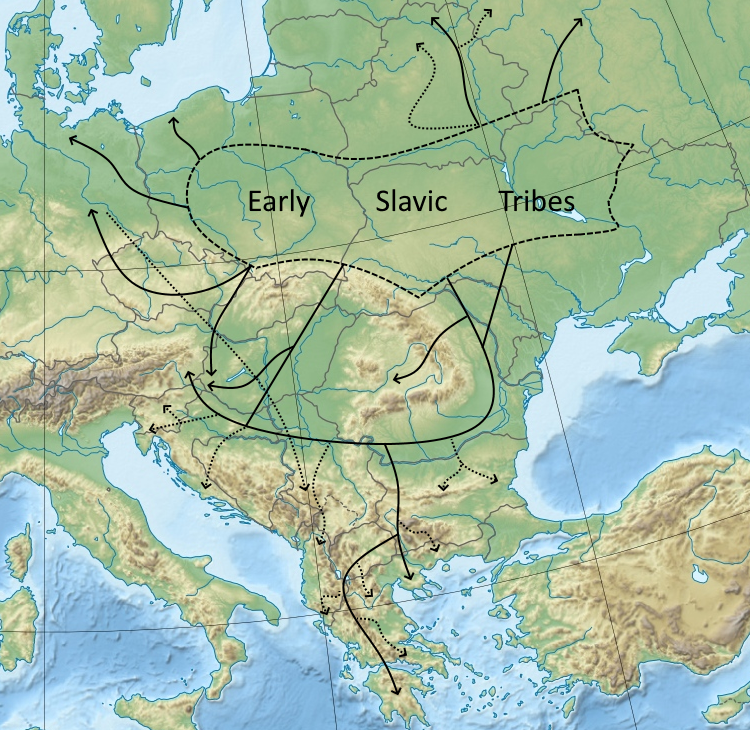
The Roman Empire, for example, didn't just conquer territory; it moved soldiers, administrators, and citizens across vast distances, from Britain to the Middle East. After Rome's decline, other groups, like Germanic tribes, moved into former Roman lands. Later, the Vikings expanded from Scandinavia, creating trade networks and settlements from Russia to North America.
This pattern continued for centuries. The rise of empires led Europeans to move outward, settling in the Americas, Africa, and Asia. More recently, especially in the 20th century, that flow began to reverse. As empires dissolved and the world became more connected, people from former colonies and other regions began moving to Europe, adding new layers to its diverse population.
Why People Move
What makes someone leave their home and start over in a new place? The reasons are often complex, but they usually fall into two broad categories: push factors and pull factors.
Push factors are the reasons that compel someone to leave their country. These are often negative circumstances, like a lack of jobs, political instability, war, or persecution. They are the forces pushing a person away from their home.
Pull factors, on the other hand, are the attractions of a destination country. These might include better economic opportunities, political freedom, safety, or the presence of family and friends who have already moved there. They are the forces pulling a person toward a new home.
Think of it like this: a plant withering in dry soil (a push factor) will thrive if moved to a fertile garden (a pull factor). Human migration often works on a similar principle of seeking better conditions to grow and flourish.
Understanding the Language
When we talk about migration, words matter. Using the right terms helps us understand the different circumstances people face. Here are a few key definitions.
immigrant
noun
A person who comes to live permanently in a foreign country.
The opposite of an immigrant is an emigrant. The two terms describe the same person, just from a different perspective.
emigrant
noun
A person who leaves their own country to settle permanently in another.
While immigration is often a choice, sometimes people are forced to move.
refugee
noun
A person who has been forced to leave their country in order to escape war, persecution, or natural disaster.
asylum seeker
noun
A person who has left their home country as a political refugee and is seeking protection in another.
An asylum seeker is someone who has applied for refugee status but whose case has not yet been decided. These terms are important because they relate to specific legal protections under international law. Understanding them is the first step to understanding the complex reality of modern migration.