Immigration Europe Economic Cultural Geopolitical Challenges
Historical Context
A Continent on the Move
Europe's history is a story of movement. For thousands of years, people have crossed the continent, driven by ambition, faith, conflict, or the simple search for a better life. These migrations were not isolated events; they were constant currents that shaped and reshaped societies, cultures, and borders.
Ancient and Medieval Shifts
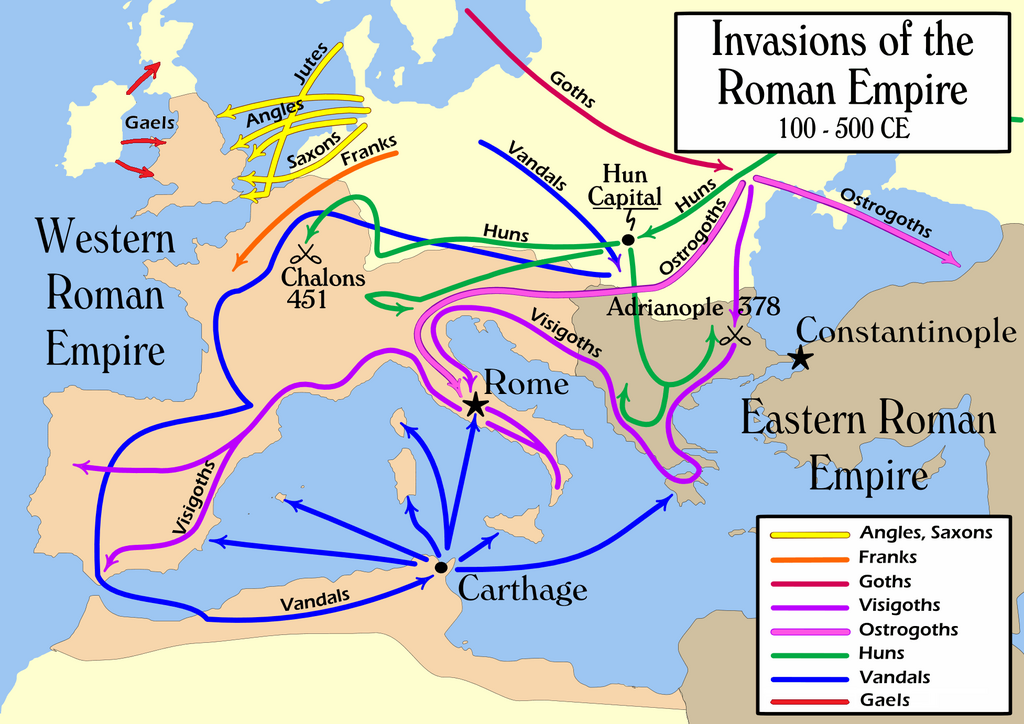
The period often called the "Age of Migrations" from roughly 300 to 700 AD fundamentally changed the map of Europe. As the Western Roman Empire weakened, groups like the Goths, Vandals, Franks, and Anglo-Saxons moved across the continent. These were not just armies on the march but entire peoples seeking new lands. They established kingdoms on the ruins of the old empire, laying the foundations for modern nations like France, Spain, and England.
The Middle Ages saw continued movement. From the 8th to the 11th centuries, Vikings from Scandinavia sailed to raid, trade, and settle across a vast area, from North America to Russia. Their settlements had a lasting impact, particularly in Britain, Ireland, and Normandy, France.
Simultaneously, religious and economic motives spurred other migrations. Jewish communities, often facing persecution, established diasporas across Europe. German farmers, craftsmen, and merchants moved eastward into Slavic lands in a centuries-long process of settlement. These movements weren't always peaceful, but they created new cultural landscapes and economic networks.
Empires and Industrialization
From the 1500s onward, European colonialism triggered the largest wave of emigration in history, as millions left for the Americas, Africa, and Asia. But it also established connections that would later reverse the flow. Colonial administrators, soldiers, and merchants moved between the metropole and the colonies, creating pathways that future migrants would follow.
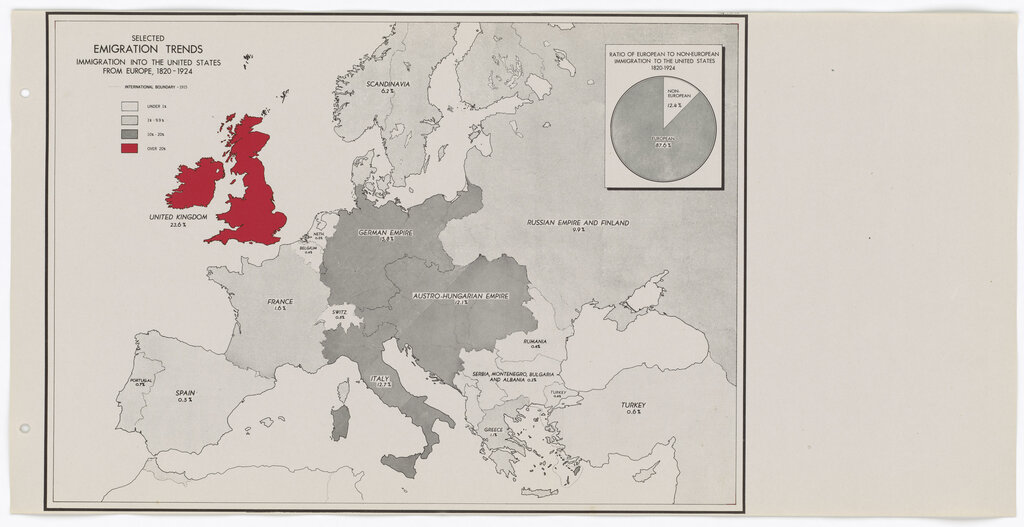
The Industrial Revolution in the 19th century transformed Europe from a rural to an urban society. This caused massive internal migration, as people left the countryside for factory jobs in burgeoning cities. It also fueled another surge of emigration, especially from poorer countries like Ireland and Italy, to the industrial powerhouses of the Americas.
War and Decolonization
The 20th century's upheavals created unprecedented waves of migration. World War I and its aftermath saw the collapse of the Austro-Hungarian, Russian, and Ottoman empires, leading to the forced displacement of millions as new borders were drawn along ethnic lines. The rise of Nazism and World War II caused another massive refugee crisis, displacing at least 40 million people.
After the war, Europe needed workers to rebuild. Countries like Germany and France established "guest worker" programs, inviting laborers from Southern Europe, Turkey, and North Africa. Many of these workers, initially seen as temporary, settled permanently with their families.
Simultaneously, the process of decolonization began. As European powers withdrew from their colonies in Africa and Asia, a new wave of migration occurred. Many colonial subjects, who were often citizens of the empire, moved to the former metropoles. This post-colonial migration profoundly changed the demographics of countries like the United Kingdom, France, and the Netherlands, creating the multicultural societies we see today.
From the fall of Rome to the fall of empires, migration has consistently been a response to and a cause of major historical change in Europe.
Here's a look at some of the key terms from this period.
Ready to test your knowledge?
Which period, characterized by the movement of groups like the Goths, Vandals, and Franks, is often referred to as the "Age of Migrations"?
Vikings, who sailed to raid, trade, and settle from the 8th to the 11th centuries, originated from what region?
Each wave of migration, whether in ancient or modern times, left an indelible mark on European society, contributing to its complex tapestry of languages, cultures, and identities.