Image Topic Identification
Introduction to Computer Vision
Teaching Computers to See
At its core, computer vision is the science of making computers understand the visual world. It's a field of artificial intelligence that trains machines to interpret and make sense of images and videos, much like humans do. Instead of just storing a picture as a file, a computer with vision capabilities can figure out what is in the picture.
Computer vision is the field of computer science that focuses on creating digital systems that can process, analyze, and make sense of visual data (images or videos) like humans do.
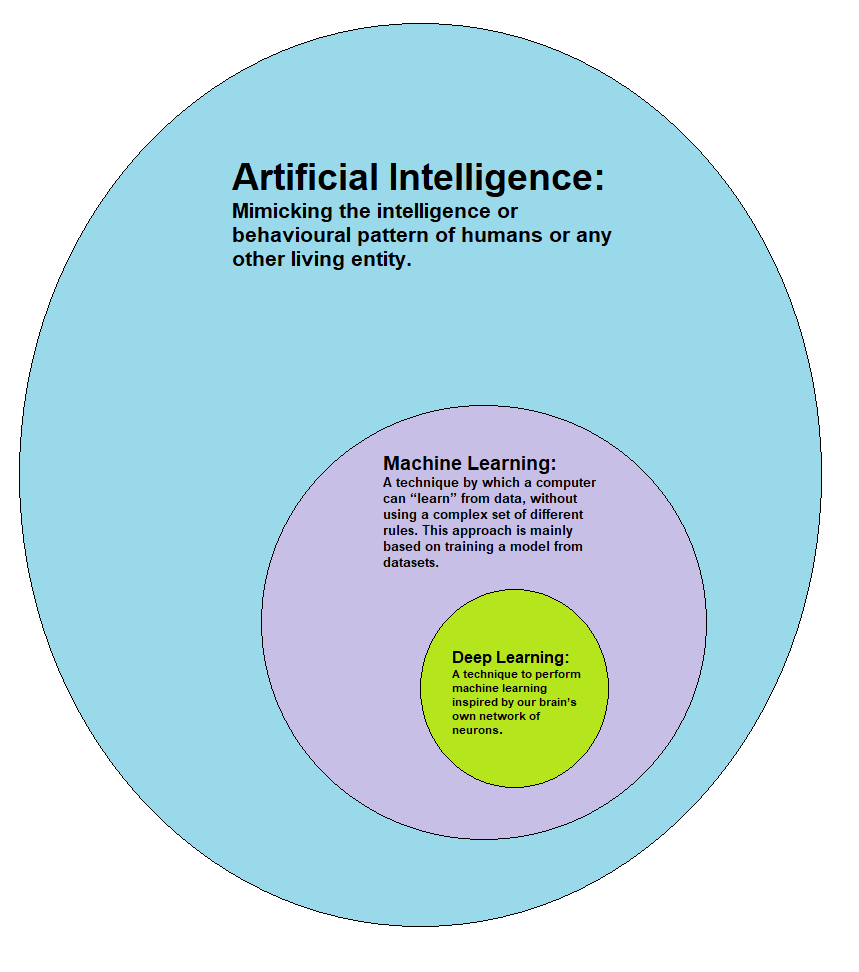
Think about how effortlessly you recognize a friend's face, a stop sign, or a cat. We do this instantly by processing light, patterns, and context. Computer vision aims to replicate this ability in machines. It's a subset of the broader field of Artificial Intelligence and often relies on Machine Learning and Deep Learning to achieve its goals.
A Brief History
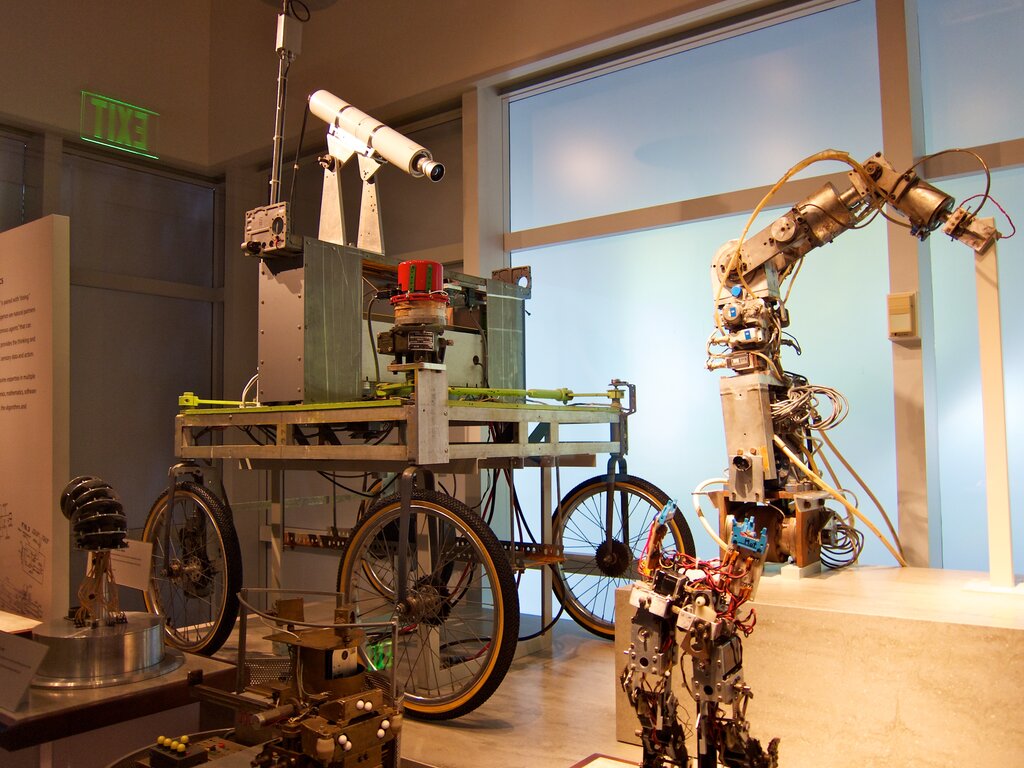
The quest to give machines sight began in the 1960s. Early researchers believed it would be a relatively simple problem to solve. They started by trying to connect cameras to computers and have them describe what they saw. These early systems were limited to recognizing simple, well-defined objects in controlled environments.
For decades, progress was slow. Scientists created rule-based systems, essentially writing detailed, manual instructions for a computer to identify lines, curves, and shapes. This worked for basic tasks but failed in the complex, unpredictable real world. A chair, for example, can look vastly different from various angles or in different lighting.
The game changed with the rise of machine learning. Instead of being explicitly programmed, computers could now learn from vast amounts of visual data. By analyzing thousands of cat photos, a system could learn the patterns that define a cat on its own. This shift, supercharged by powerful processors and massive datasets, led to the breakthroughs we see today.
How Computers Interpret Images
To a computer, an image isn't a single entity. It's a grid of tiny dots called pixels. Each pixel has a numerical value that represents its color and brightness. For a simple black and white image, this might be a single number, like 0 for black and 255 for white. For a color image, each pixel typically has three numbers: one for red, one for green, and one for blue (RGB).
The computer's task is to analyze this massive grid of numbers to find patterns. It looks for edges (where brightness values change sharply), textures (repeating patterns of values), and shapes (collections of edges). By identifying these low-level features, it can build up a more complex understanding of the objects in an image.
Computer Vision in the Real World
Computer vision is no longer a laboratory experiment. It's a technology that powers countless applications you might use every day.
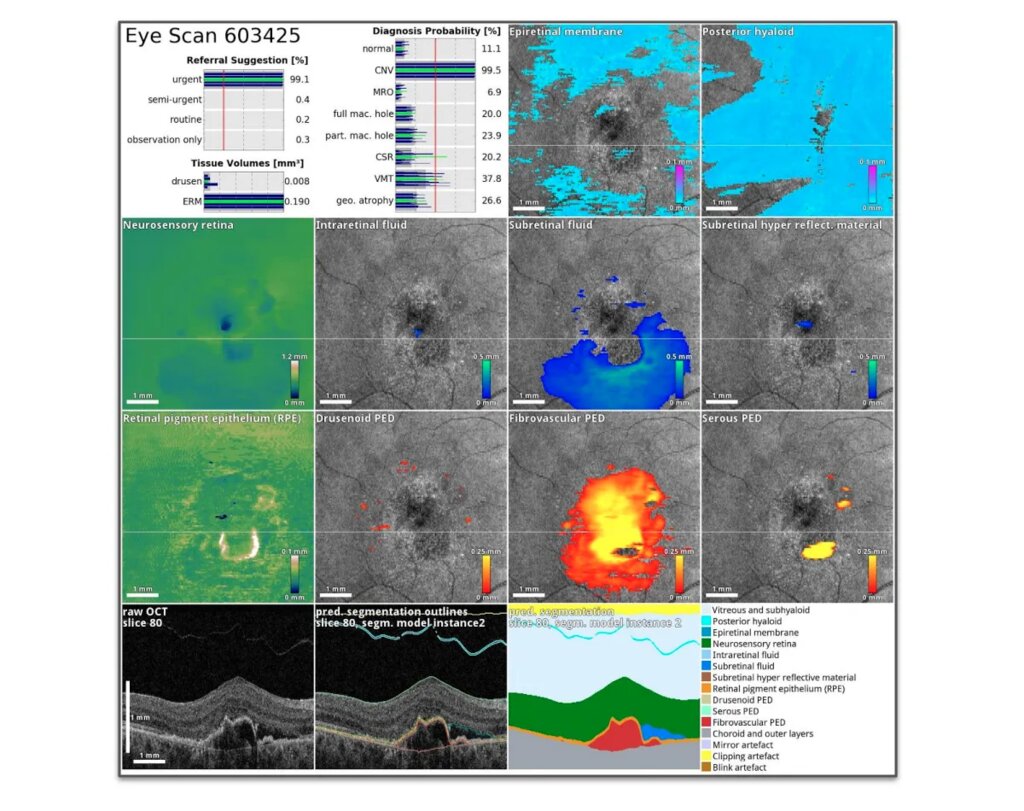
Healthcare: AI systems analyze medical images like X-rays, CT scans, and MRIs to help doctors detect diseases like cancer or diabetic retinopathy earlier and more accurately.
Automotive: Self-driving cars and driver-assist systems rely on computer vision to "see" the world around them. Cameras detect other vehicles, pedestrians, traffic lights, and lane markings to navigate safely.
Security and Convenience: Facial recognition unlocks your smartphone and helps tag friends in photos on social media. In airports and public spaces, it's used to enhance security.
Manufacturing: On an assembly line, computer vision systems can inspect thousands of parts per minute, spotting tiny defects that a human inspector might miss.
From identifying crop disease in agriculture to enabling cashier-less grocery stores, computer vision is fundamentally changing how we interact with technology and the world. It's an invisible force making our systems smarter, safer, and more efficient.
What is the primary goal of computer vision?
To a computer, a digital image is fundamentally a grid of tiny dots called _______.