IIBF KYC AML Certificates
Introduction to Money Laundering
Turning Dirty Money Clean
Money laundering is the process of making illegally-gained money appear to have come from a legitimate source. Criminals do this to hide the origins of their funds so they can use them without raising suspicion. It's not a small-time issue; it's a massive global problem tied to serious crimes.
Money laundering is a global problem that concerns legitimizing proceeds from serious felonies (1.7-4 trillion euros annually) such as drug dealing, human trafficking, or corruption.
The term itself is often linked to American mobster Al Capone, who famously purchased laundromats in the 1920s to mix his illicit income with legitimate cash sales. By declaring the combined total as revenue from the laundromats, he made his dirty money look clean. While the methods have evolved, the basic principle remains the same.
The Three Stages
The process of laundering money typically happens in three distinct stages. Think of it as a cycle designed to systematically erase the money's criminal past.
1. Placement: This is the first step, where the criminal introduces their illegal funds into the legitimate financial system. This is often the riskiest stage, as large amounts of cash are conspicuous. A common method is depositing small amounts of cash into various bank accounts to avoid triggering automatic reporting thresholds.
2. Layering: The goal here is to create distance between the money and its criminal origin. Launderers create complex webs of transactions to obscure the audit trail. This can involve wiring money between different accounts in different countries, converting it into different currencies, or purchasing high-value goods like art or real estate.
3. Integration: In the final stage, the laundered money is brought back into the legitimate economy. The money now appears to be from a legal source. The criminal can now use it to buy luxury assets, invest in businesses, or otherwise spend it freely without fear of it being traced back to its illegal roots.
Common Techniques
Criminals use a variety of techniques to launder money, often combining several methods to make their activities harder to detect. Here are a few common examples.
| Technique | Description |
|---|---|
| Structuring (Smurfing) | Breaking up large cash transactions into smaller, less conspicuous ones to avoid detection and reporting requirements. |
| Shell Corporations | Creating fake companies that exist only on paper. These entities are used to create a false paper trail of transactions to legitimize dirty money. |
| Cash-Intensive Businesses | Using businesses that handle a lot of cash, like restaurants or car washes, to mix illicit funds with legitimate revenue. |
| Trade-Based Laundering | Disguising the proceeds of crime through the use of trade transactions, such as by over- or under-invoicing for goods. |
The impact on financial institutions is significant. Banks and other firms that fail to spot and report money laundering face hefty fines, reputational damage, and even criminal charges. This forces them to invest heavily in compliance and monitoring systems to detect suspicious activity.
The Global Fight
Because money laundering often involves moving funds across borders, combating it requires international cooperation. The primary global body setting standards and promoting effective measures against these threats is the Financial Action Task Force (FATF).
FATF
other
The Financial Action Task Force is an inter-governmental body established to develop policies to combat money laundering and terrorist financing.
The FATF issues recommendations that serve as an international standard for anti-money laundering (AML) and counter-terrorist financing (CFT) efforts. It also assesses how well its member countries are implementing these standards.
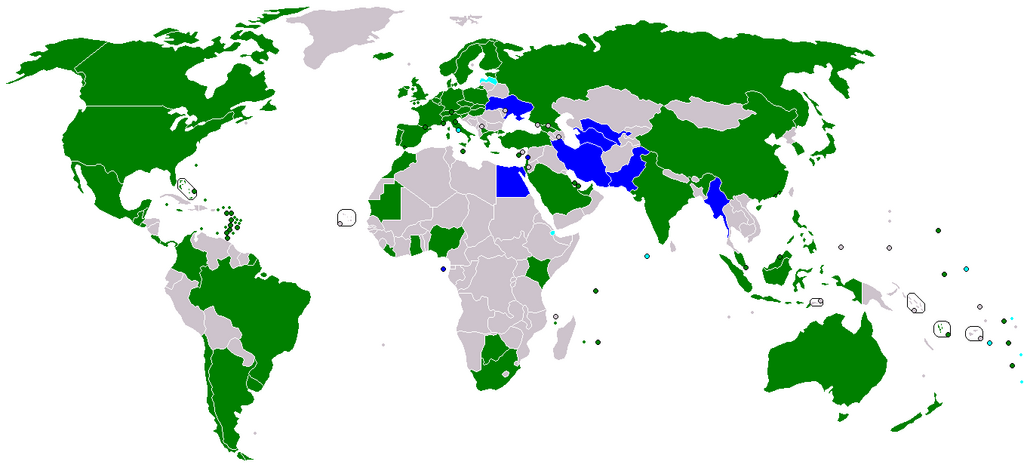
The collective effort of these organizations and national governments aims to make it harder for criminals to profit from their illegal activities, protecting the integrity of the global financial system.
Ready to check your understanding? Let's see what you've learned about the fundamentals of money laundering.
What is the primary goal of money laundering?
A criminal deposits small amounts of illicit cash into dozens of separate bank accounts to avoid triggering reporting requirements. Which stage of money laundering is this?
Understanding these core concepts is the first step in recognizing how financial crimes are committed and how they are fought on a global scale.