IGCSE Pakistan Studies Paper 1
Mughal Empire Decline
The Long Sunset
Empires don't collapse overnight. The Mughal Empire, once a powerhouse of wealth and culture, experienced a slow, painful decline that lasted nearly 150 years. The cracks began to show even at its peak, during the long reign of Aurangzeb (1658-1707).
Aurangzeb was a capable but rigid ruler. His relentless military campaigns to expand the empire southward into the Deccan were incredibly expensive. They drained the treasury and stretched the Mughal administration to its breaking point. His strict religious policies also alienated many non-Muslim subjects, particularly the powerful Hindu Rajput chiefs and the rising Marathas, sparking revolts that further sapped the empire's strength.
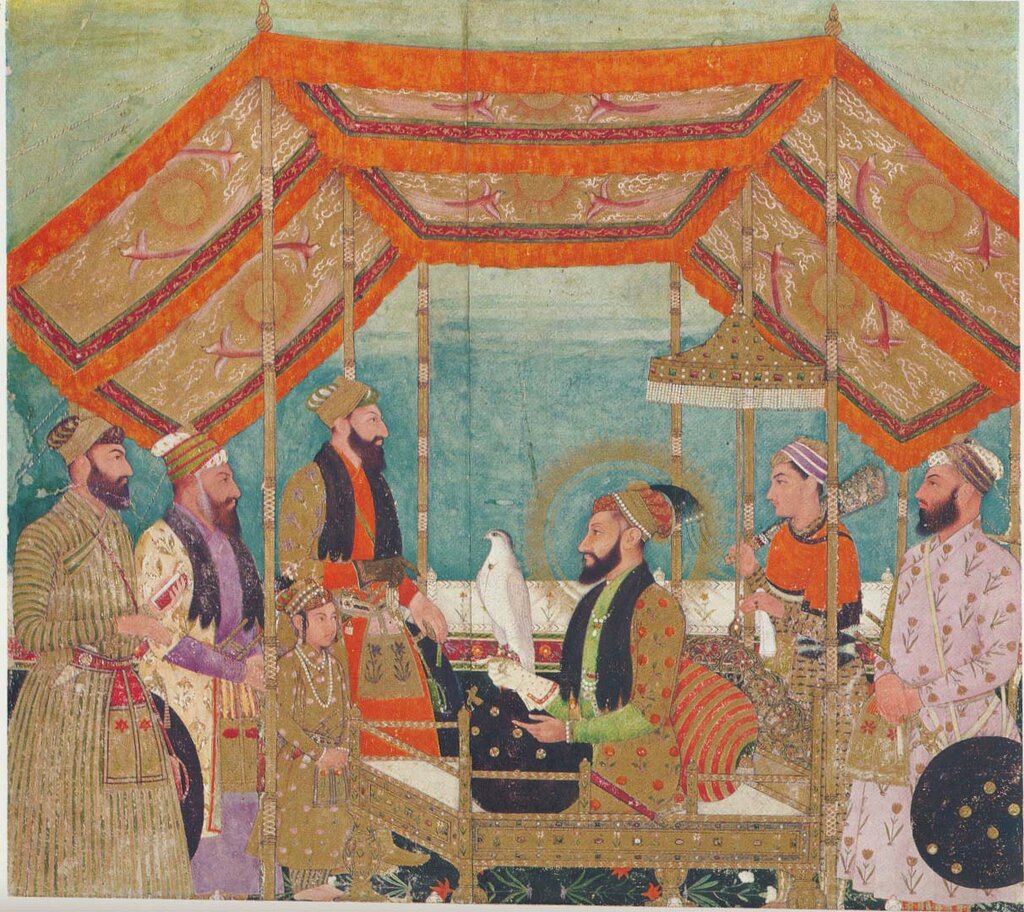
When Aurangzeb died, the system he had held together through sheer force of will began to unravel. His successors, known as the Later Mughals, were mostly weak and ineffective. The throne became a prize fought over by ambitious sons and powerful court nobles, leading to a series of destabilizing civil wars. A strong central leader was replaced by factional squabbles and palace intrigue.
Internal Rot
The administrative machinery of the empire started to break down. The mansabdari system, which granted nobles land rights (jagirs) in exchange for military service, fell into disarray. Powerful governors and nobles began to treat their assignments as hereditary kingdoms, ignoring the emperor in Delhi and keeping tax revenues for themselves. This led to the rise of independent successor states like Bengal, Awadh, and Hyderabad.
As the central authority weakened, regional powers grew stronger. The emperor in Delhi became a ruler in name only, his actual control barely extending beyond the city's walls.
This administrative collapse had severe economic consequences. Without a strong central government to ensure safety, trade routes became dangerous. Agriculture suffered as local lords extracted as much tax as they could from peasants without investing in the land. The flow of wealth that had once poured into the imperial capital slowed to a trickle.
Assault from Outside
A weakened empire is an inviting target. In 1739, the Persian ruler Nader Shah swept into India. His army crushed the Mughal forces, captured Delhi, and subjected the city to a brutal sack. Nader Shah carried away immense treasures, including the fabled Peacock Throne and the Koh-i-Noor diamond, dealing a devastating blow to Mughal wealth and prestige.
Following this disaster, the Afghan ruler Ahmad Shah Abdali launched a series of invasions into northern India. While his main conflict was with the rapidly expanding Maratha Confederacy, his repeated raids further destabilized the region and underscored the Mughals' inability to defend their own heartland.
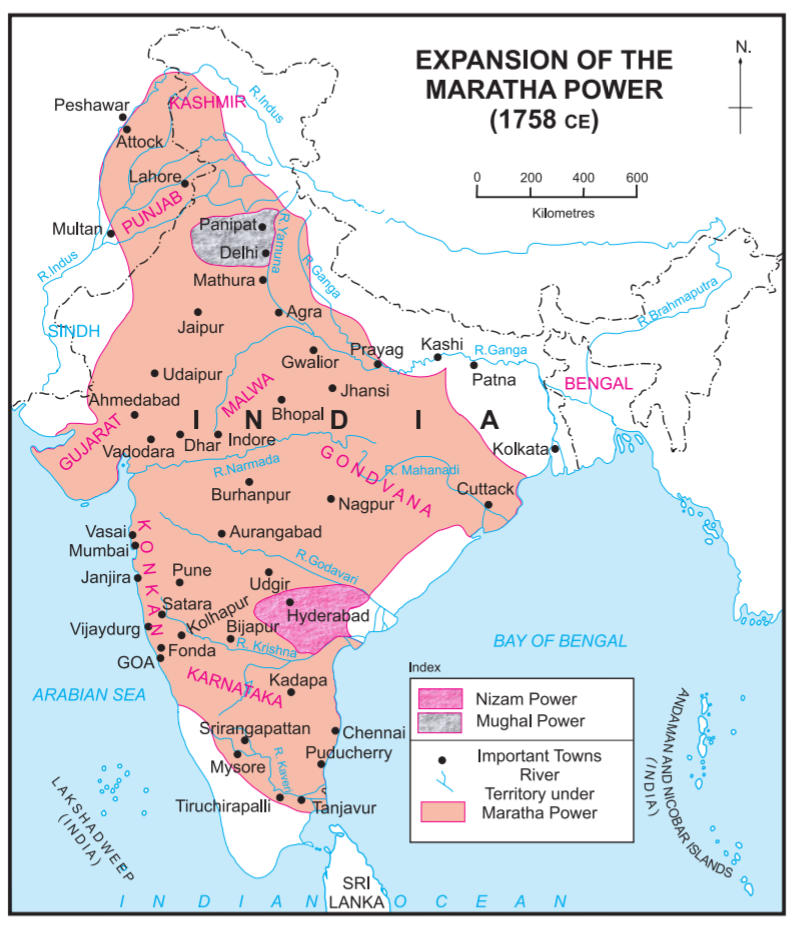
As the Mughals faded, other powers rushed to fill the vacuum. The Marathas from the Deccan built a vast empire that stretched across central and northern India. The Sikhs carved out their own kingdom in the Punjab. All the while, the British East India Company was steadily increasing its economic and military influence, particularly after the Battle of Plassey in 1757.
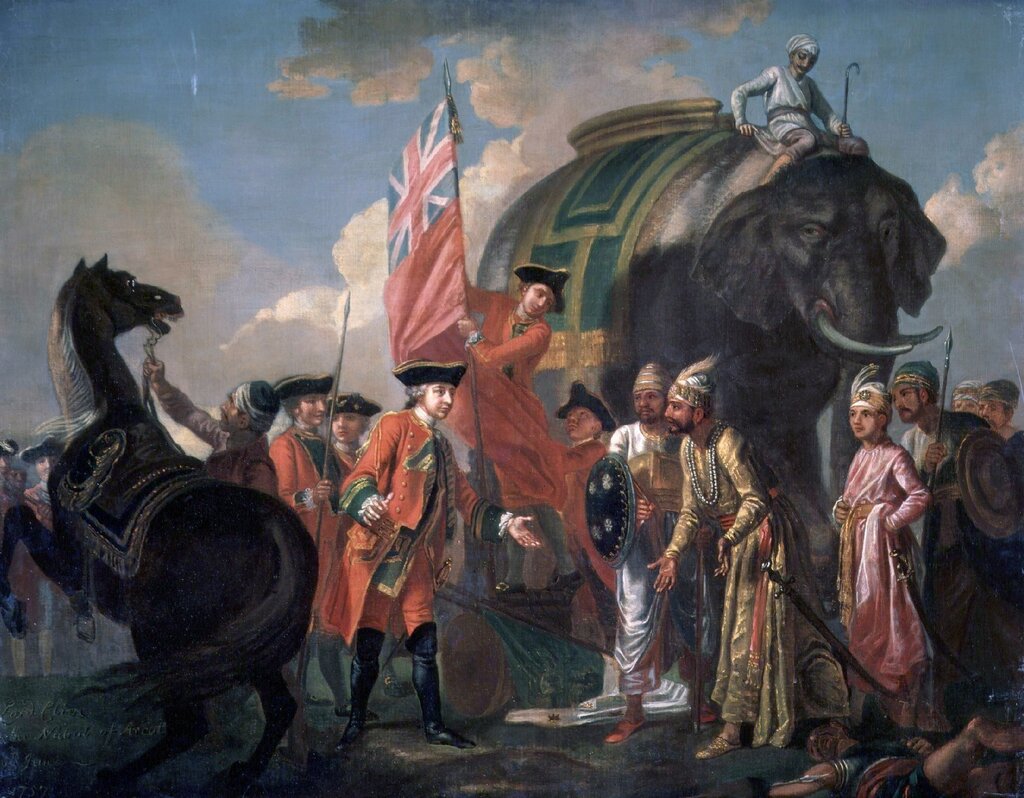
By the early 19th century, the Mughal emperor was a pensioner of the British. The once-mighty empire was a hollow shell, a symbol of a bygone era. Its final, formal end would come after the Indian Rebellion of 1857, but the real decline had been a long, multi-faceted process of internal decay and external pressure.
Let's check your understanding of the key factors that led to the fall of this great empire.
Which of these was a direct consequence of Aurangzeb's lengthy and expensive military campaigns in the Deccan?
The breakdown of the mansabdari system led to the rise of independent successor states like Bengal and Awadh.
The collapse of the Mughal Empire created a power vacuum in the Indian subcontinent, setting the stage for the rise of British colonial rule and the dramatic changes that would follow.