IEC 60601 vs IEC 61010 Medical Device Safety Testing
Introduction to Medical Device Safety Standards
The Foundation of Trust
Medical devices can be lifesavers, from patient monitors in a hospital to the equipment that analyzes your blood in a lab. But any device, especially an electrical one, carries risks. How do we ensure these complex tools are safe and effective? The answer lies in safety standards.
Think of a safety standard as a detailed rulebook for manufacturers. It outlines the specific design and testing requirements a device must meet to be considered safe for its intended use. These rules are created by international organizations, bringing together experts from around the world to establish best practices. The goal is simple: minimize risks to both patients and the people operating the equipment.
The Standard for Medical Equipment
When it comes to medical electrical equipment—devices that are plugged in and used on patients—the most important standard is the IEC 60601 series. This family of standards applies to a huge range of products, from MRI machines and electrosurgical units to the patient monitor you'd see by a hospital bed.
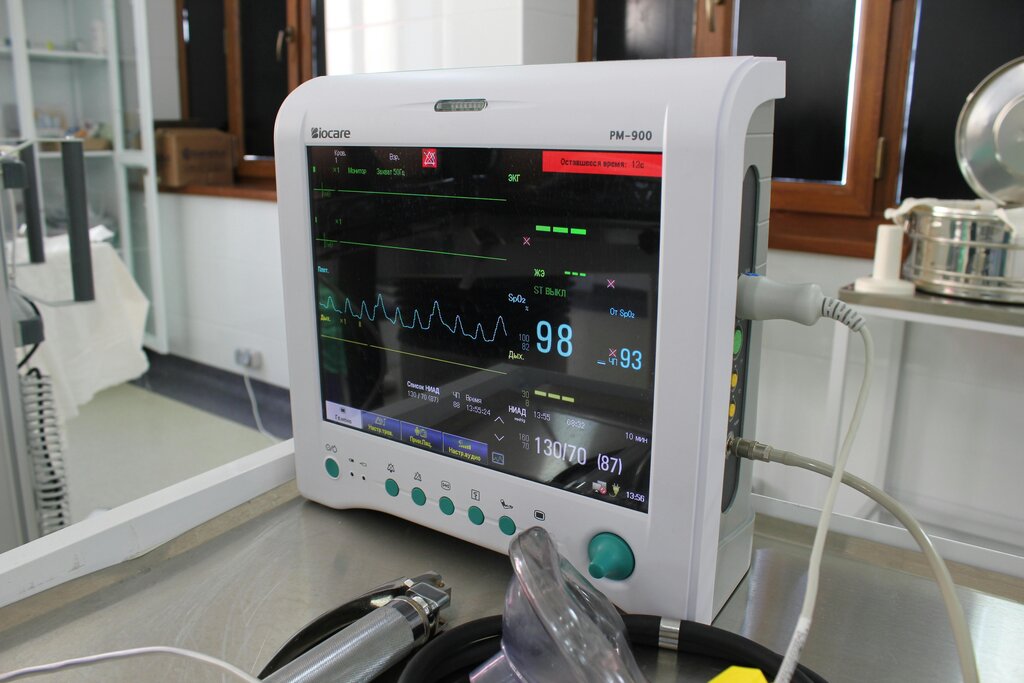
The core purpose of IEC 60601 is to protect against potential dangers. It sets limits for electrical shock hazards, excessive radiation, and mechanical failures like a heavy part falling on someone. A device must be rigorously tested to prove it won't harm a patient or operator, even if something goes wrong, like a power surge or a spilled liquid.
The fundamental principle of IEC 60601 is that a device must be safe under normal conditions and also if a single fault occurs.
Safety in the Lab
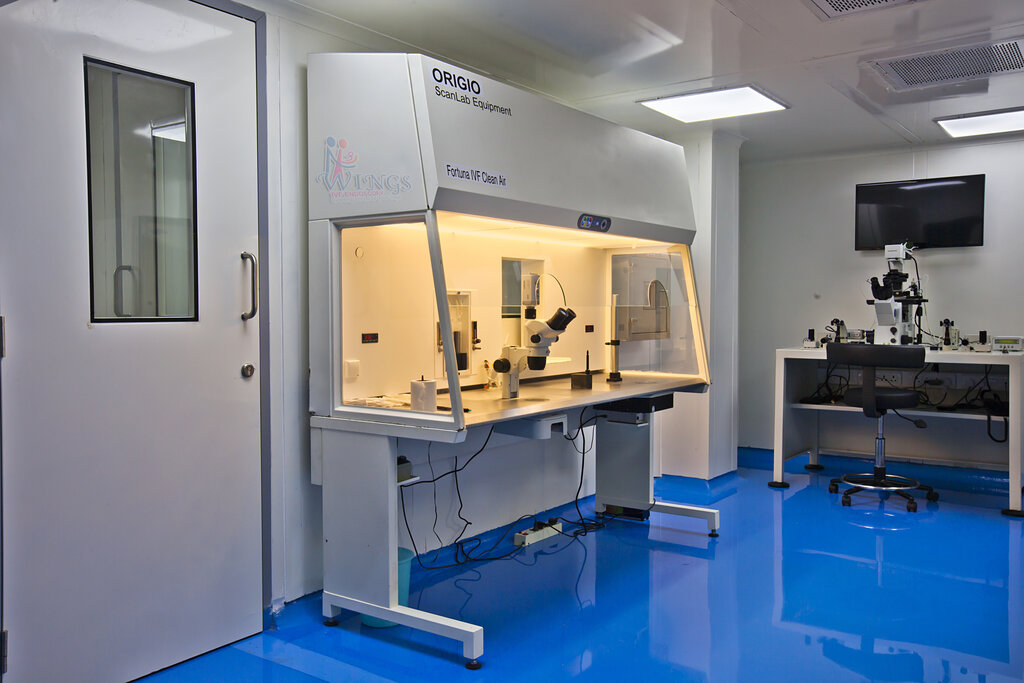
Not all medical equipment touches patients directly. In-vitro diagnostic (IVD) devices are used to analyze samples like blood or tissue in a laboratory setting. For these, a different standard applies: IEC 61010.
This standard focuses on the safety of laboratory personnel. It addresses hazards common in a lab environment, such as electric shock, fire, mechanical risks, and exposure to biological materials. While the patient isn't physically connected to this equipment, their diagnosis depends on its accuracy and reliable operation, which is directly linked to the equipment's safe design.
Why Compliance Matters
Following these standards isn't optional. For a medical device to be legally sold in most parts of the world, including the United States and Europe, it must be proven to comply with the relevant safety standards. Regulatory bodies like the U.S. Food and Drug Administration (FDA) require manufacturers to submit extensive documentation and test results showing their device meets all the necessary requirements.
Manufacturers must adhere to safety, efficacy, and sterilization standards to maintain market credibility and patient safety.
This process ensures a baseline of safety for all medical technology. It provides doctors, technicians, and patients with confidence that the devices they rely on have been designed and built with their well-being as the top priority. Ultimately, compliance is about more than just checking boxes; it's about a fundamental commitment to patient safety.
Let's review what you've learned about these foundational safety standards.
A hospital uses a bedside monitor to track a patient's heart rate and oxygen levels. Which safety standard is most relevant for ensuring this device is safe for patient use?
The primary focus of the IEC 61010 standard is to protect the patient from electrical shock during a diagnostic procedure.
These standards form the backbone of modern medical device regulation, ensuring that innovation and patient safety go hand in hand.