IDNO Asset Value Model Explained
Introduction to IDNOs
Meet the IDNOs
In the UK's electricity system, power doesn't just magically appear at your wall socket. It travels through a massive, complex network. For decades, this network was managed exclusively by large, regional companies. But now, there are new players in the game: Independent Distribution Network Operators, or IDNOs.
IDNO
noun
An Independent Distribution Network Operator is a company that owns and operates smaller, local electricity networks. These are typically built for new housing developments, industrial parks, or large commercial sites.
Think of the national electricity grid like the major highway system. The large regional companies that manage these highways are called Distribution Network Operators (DNOs). An IDNO, on the other hand, is like a company that builds and maintains the local streets for a brand-new neighborhood. These streets connect to the main highway, but they are a separate, smaller network. The IDNO builds the local infrastructure—like underground cables and substations—and then takes responsibility for operating it safely and efficiently.
The Regulatory Framework
Building and running an electricity network isn't a free-for-all. Both IDNOs and DNOs are regulated by the Office of Gas and Electricity Markets (Ofgem). Ofgem is the UK's independent energy regulator, and its job is to protect the interests of consumers.
Ofgem sets the rules that IDNOs must follow, ensuring high standards for safety, reliability, and customer service. They also regulate the prices IDNOs can charge for using their network, ensuring a fair market for everyone.
This framework was created to introduce competition into the electricity distribution market. Before IDNOs, developers had only one choice for connecting a new site to the grid: the local DNO. Now, they can choose between the DNO and various IDNOs, which can lead to better prices and more innovative solutions.
IDNOs vs. DNOs
While they both do similar jobs, there are key differences between an IDNO and a DNO. The main distinction comes down to scale, scope, and origin.
| Feature | Distribution Network Operator (DNO) | Independent Distribution Network Operator (IDNO) |
|---|---|---|
| Geographic Area | Covers a large, specific region of the UK (e.g., the South East). | Operates smaller, localized networks anywhere in the UK. |
| Network Type | Manages a vast, pre-existing network. | Builds and adopts new, discrete networks. |
| Market Position | A geographically-based, regulated monopoly. | A competitive business that bids for projects. |
| Primary Customer | Serves millions of homes and businesses in its region. | Primarily serves developers and large construction projects. |
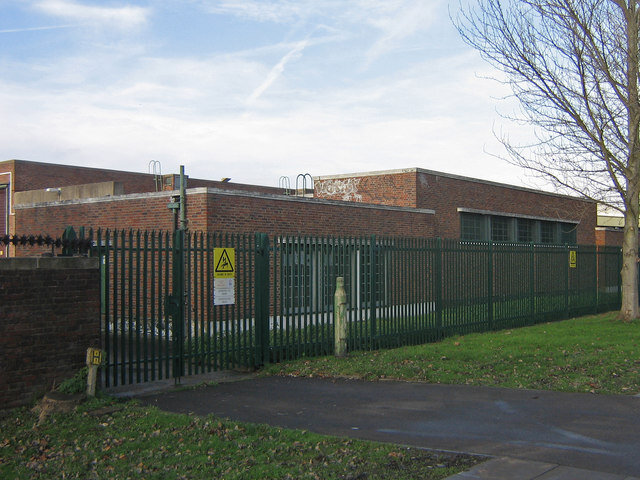
Here’s a visual way to understand the relationship. The larger DNO operates the main grid, and the IDNO builds a new extension to serve a specific development, connecting into the DNO's network at a substation.
Why IDNOs Matter
The introduction of IDNOs has been a significant change for the UK's energy landscape. By creating competition for new grid connections, they drive innovation and efficiency. Developers can often get a better deal or a more tailored service from an IDNO than from the incumbent DNO.
For the end customer living in a home connected by an IDNO, the experience is seamless. They still choose their electricity supplier (like British Gas, Octopus, etc.) and pay their bills in the same way. The only difference is the company that owns and maintains the local wires running to their property. This competition in the background helps keep connection costs down, which is beneficial for the entire market.
What is the primary role of an Independent Distribution Network Operator (IDNO) in the UK?
Which organization is responsible for regulating both IDNOs and DNOs?
Ultimately, IDNOs represent a key part of the modern, competitive electricity market, ensuring that the infrastructure needed for new homes and businesses can be built efficiently and cost-effectively.