Identity and Resilience in Trevor Noah's Born a Crime
Apartheid Structural Framework
The Legal Blueprint of Separation
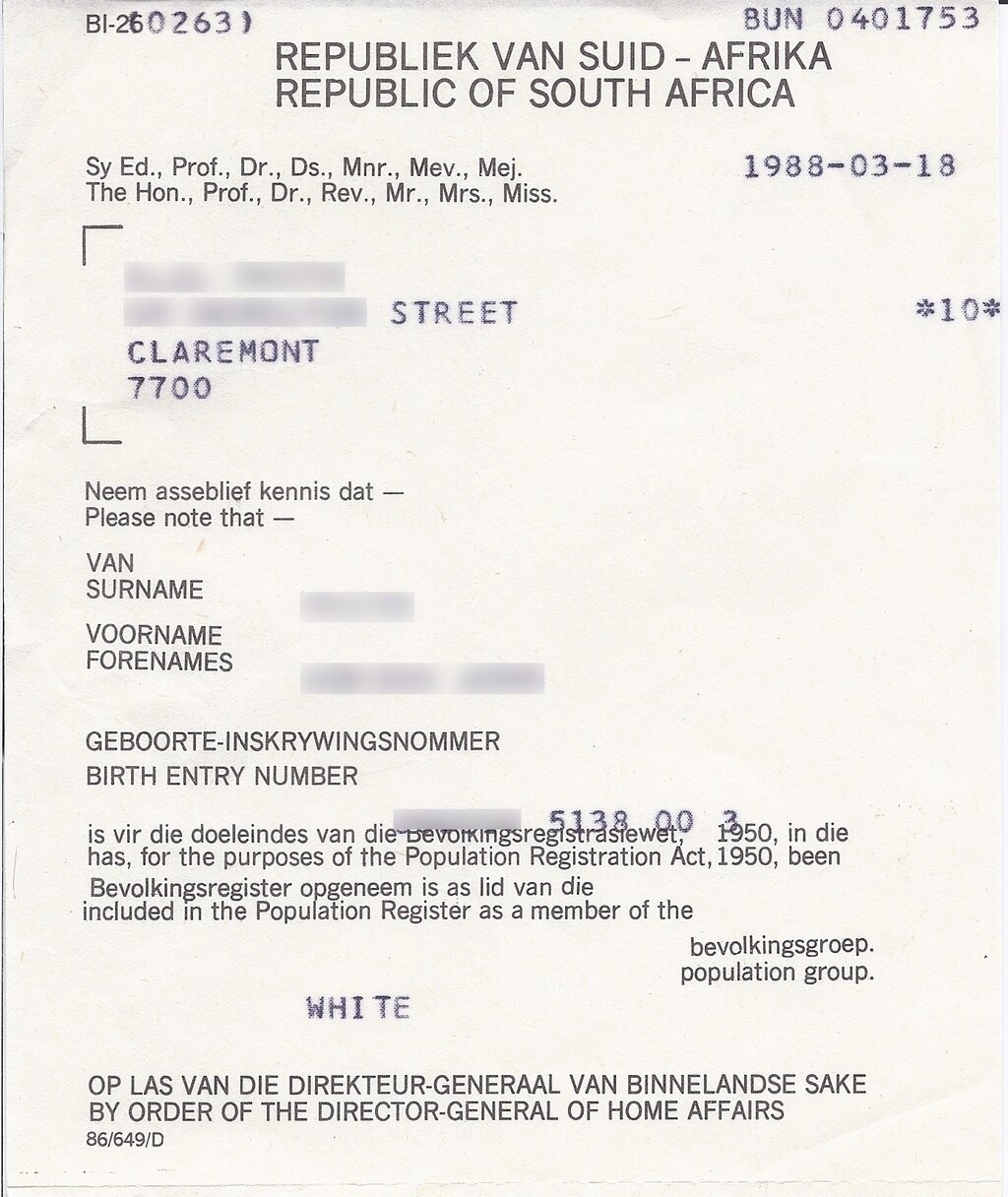
Apartheid wasn't just a general policy of racism; it was a meticulously constructed legal system. At its core was the . This law classified every single South African into one of four racial categories: White, Coloured, Indian, or Black (also referred to as Bantu). This classification wasn't based on genetics but on appearance, social standing, and arbitrary bureaucratic decisions. Officials would conduct demeaning tests, like the infamous 'pencil test,' to determine a person's race. Your assigned category would dictate your entire life: where you could live, what job you could hold, and who you could marry.
Hand in hand with racial classification came laws enforcing social separation. The Immorality Act of 1950 outlawed sexual relationships between white people and people of other races. Trevor Noah’s birth to a white Swiss father and a Black Xhosa mother was a direct violation of this law. His very existence was, as his book title states, a crime. This made his childhood one of constant hiding. He couldn't be seen in public with both parents, as their family unit was illegal evidence.
Trevor Noah was born to a black Xhosa mother and a white Swiss father during a time when interracial relationships were illegal under apartheid laws, making his existence a crime.
Mapping Segregation
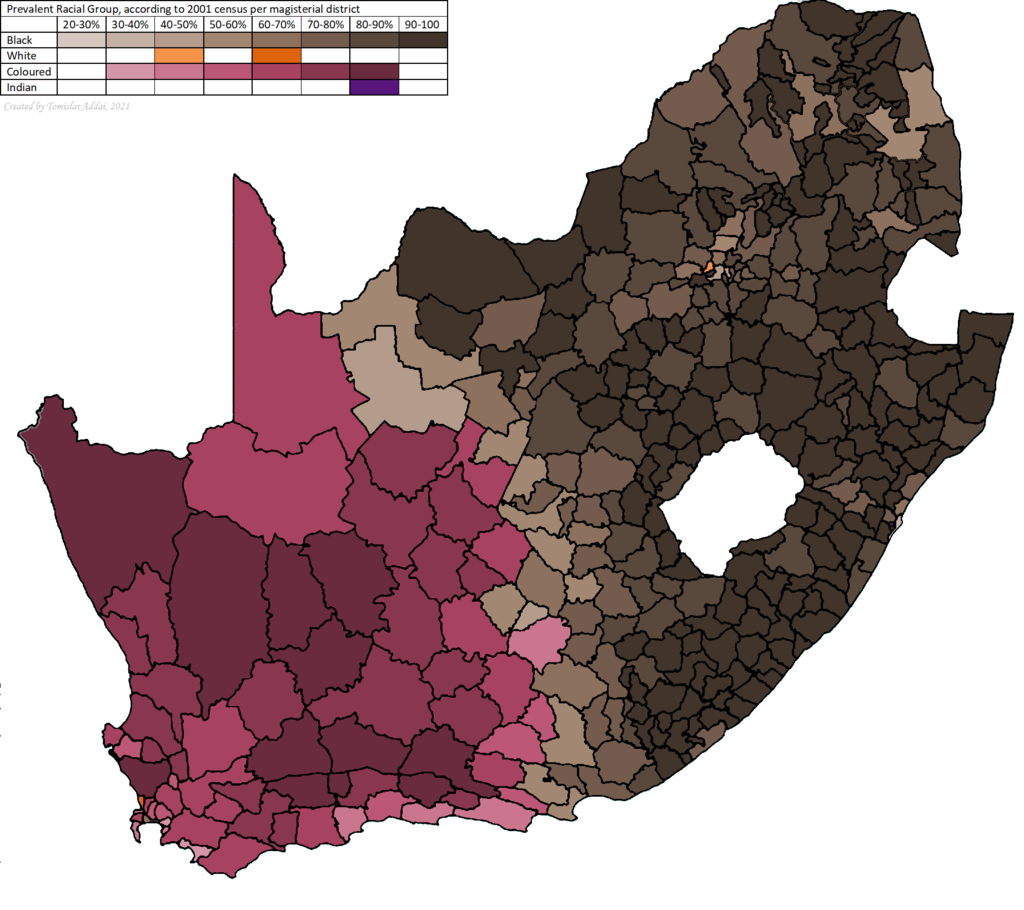
The legal framework of apartheid extended from personal identity to physical space. The Group Areas Act of 1950 was the legislative tool used to enforce geographic segregation. It designated specific urban areas for each racial group. If you lived in an area not assigned to your race, you were forcibly removed. This law destroyed vibrant, multi-racial communities and created the starkly divided landscapes of apartheid South Africa.
For Trevor Noah, this meant navigating a fragmented world. His mother, Patricia, lived in , the sprawling township designated for Black people outside Johannesburg. Meanwhile, his father, Robert, lived in a flat in a whites-only area. To be with her son and his father, Patricia had to live illegally and secretly in neighborhoods like Edenvale, constantly risking arrest.
Townships like Soweto were not just residential areas; they were architectures of social control. They were often built on the outskirts of cities, far from jobs and amenities, ensuring a dependent labor force that could be kept at a distance after working hours. The design, often a grid of identical houses, lacked proper sanitation, electricity, and paved roads, reinforcing a system of economic and social deprivation.
Grand vs. Petty Apartheid
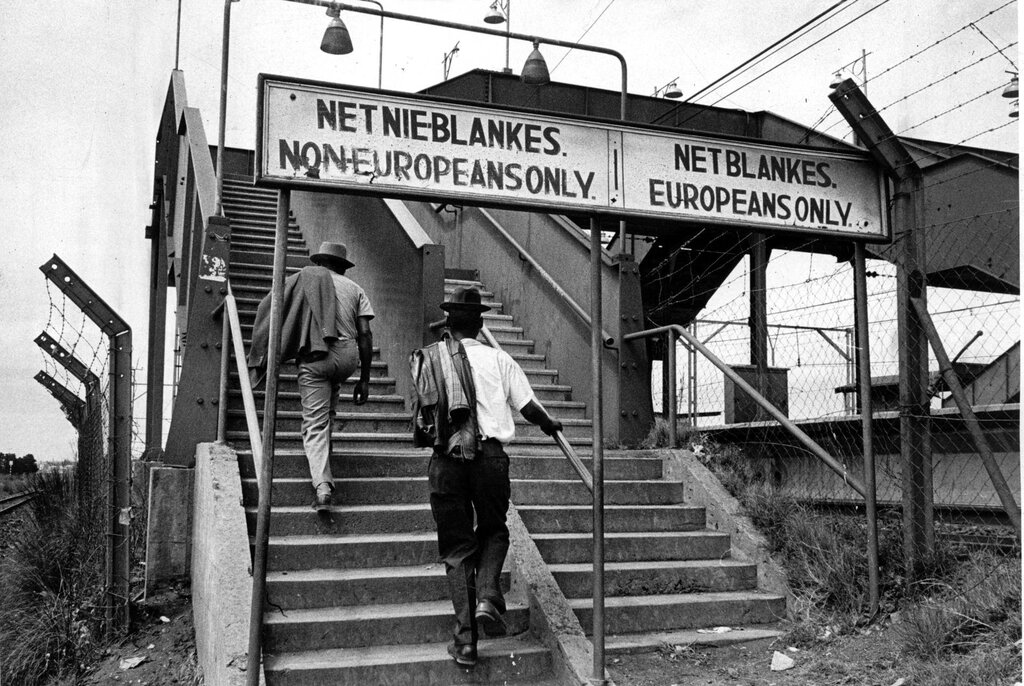
It's useful to distinguish between two forms of apartheid. refers to the high-level, strategic segregation of the state, such as the Population Registration and Group Areas Acts. It was about separating the country on a massive scale. was the daily, face-to-face enforcement of racial hierarchy. This included separate benches, entrances, buses, and beaches. It was the constant, humiliating reminder of the system.
For Trevor Noah, his mixed-race appearance meant he had to constantly navigate both. He didn't fit neatly into the state's grand design, and in the world of petty apartheid, his presence alongside his Black mother or white father could attract dangerous attention. This forced him to become a 'chameleon,' adapting his identity and language to survive in different spaces. His childhood illustrates how these two layers of apartheid worked together to police every aspect of life.
The intricate web of laws, from defining identity to dictating location, created a society where survival depended on understanding and navigating a deeply unjust system. Trevor Noah's story is a personal testament to the absurdity and cruelty of this structural framework.