Identifying Cybersecurity Problems
Cybersecurity Fundamentals
The Core of Cybersecurity
At its heart, cybersecurity isn't just about hackers in hoodies. It's about protecting information. Every security measure, from a simple password to a complex corporate network, is built on three fundamental principles. Together, they're known as the CIA Triad.
At its core, cybersecurity aims to protect the Confidentiality, Integrity, and Availability of information, a concept often referred to as the CIA Triad.
Confidentiality is about keeping secrets. It ensures that data is accessible only to authorized users. Think of it like a sealed letter. Only the person it's addressed to should open and read it. If someone else intercepts and reads it, confidentiality is breached.
Integrity means keeping data accurate and trustworthy. It ensures that information has not been tampered with or altered. Imagine a legal contract. If someone secretly changes the terms after it's been signed, the document's integrity is lost. In the digital world, this means protecting data from unauthorized modification.
Availability ensures that information and systems are up and running when needed. If you try to access your online bank account and the service is down, that's a failure of availability. The data might be safe and unchanged, but it's useless if you can't get to it.
Common Threats
Cyber threats are actions designed to disrupt or damage one or more aspects of the CIA Triad. An attacker might try to steal confidential data, alter records, or shut down a critical service. While the methods are constantly evolving, most fall into a few common categories.
Malware
noun
Malicious software designed to disrupt computer operations, gather sensitive information, or gain access to private computer systems.
Malware is a catch-all term for any software with bad intentions. A virus might infect your files and spread to other computers, while ransomware will lock up your data and demand a payment to release it. In all cases, malware is unwanted software that runs on your system without your consent.

Another common threat is phishing. This is a psychological trick, not a technical one. An attacker sends a deceptive email or message that looks like it's from a legitimate source, like your bank or a popular social media site. The goal is to fool you into giving up sensitive information, such as your password or credit card number.
A classic phishing scam is an email that says "Your account has been compromised! Click here to reset your password immediately." The link leads to a fake website that looks real, but its only purpose is to steal the credentials you enter.
Finally, there are Denial-of-Service (DoS) attacks. This type of attack targets a system's availability. The goal is to overwhelm a website or network with so much traffic that it can't serve legitimate users. Imagine a hundred people all trying to crowd through a single doorway at once. Nobody gets through, and the doorway becomes useless. A DoS attack does the same thing to a server, making it unavailable.
Your First Line of Defense
Just as there are common threats, there are common defenses. These tools and systems are the building blocks of a secure environment, each playing a different role in protecting your data.
Firewalls act as a gatekeeper for your network. They monitor incoming and outgoing traffic and decide whether to allow or block it based on a set of security rules. A firewall is like a bouncer at a club, checking IDs at the door to make sure only authorized people get in.
Antivirus software is like a doctor for your computer. It's designed to detect, prevent, and remove malware. It scans files and programs for known malicious patterns and can quarantine or delete anything that looks suspicious to stop an infection from spreading.
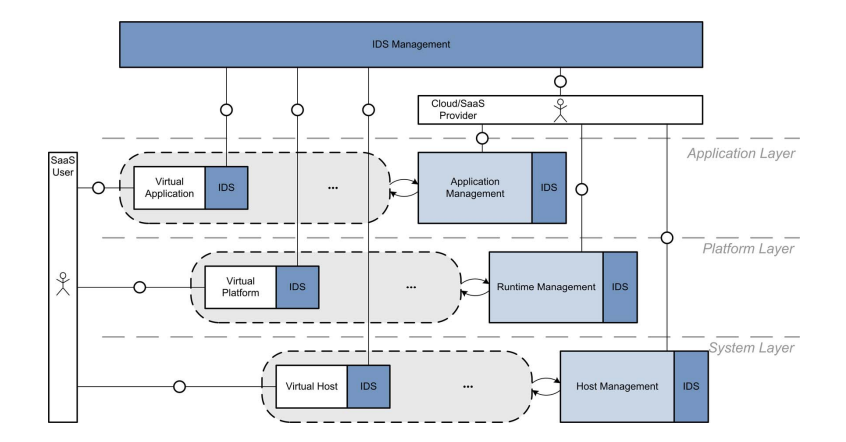
An Intrusion Detection System (IDS) is a security alarm for your network. It doesn't necessarily stop attacks, but it's excellent at spotting them. An IDS monitors network traffic for suspicious activity or policy violations and sends an alert when it finds something. This gives security professionals a chance to investigate and respond before major damage is done.
Ready to check your understanding? Let's see what you've learned about the basics of cybersecurity.
A bank's website is intentionally flooded with so much traffic that legitimate customers can no longer access their accounts. Which principle of the CIA Triad has been violated?
What type of cyber attack uses deceptive emails, often appearing to be from a legitimate source, to trick users into revealing sensitive information?
Understanding these core principles, threats, and defenses is the first step in building a strong security mindset. They provide the foundation for protecting data in an increasingly connected world.