Identify the Book for Learning
Introduction to the Book
First Impressions
Before you read the first sentence of a book, you already know a few things about it. The title and author are your first clues. The title hints at the story's subject or mood. An author's name might tell you to expect a certain style, especially if you've read their work before.
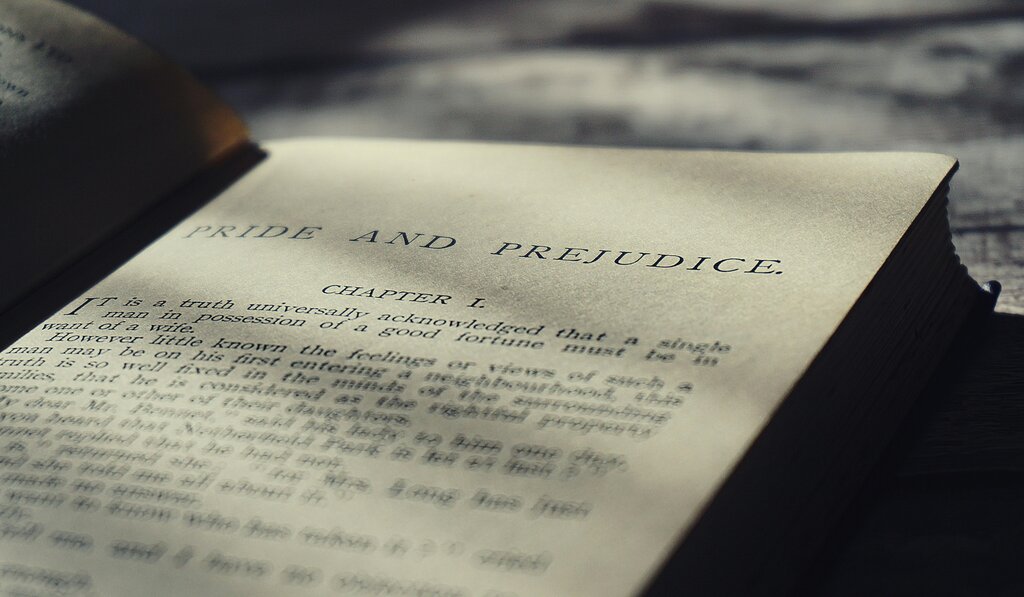
The publication date is just as important. It grounds the book in a specific moment in time. A novel written in 1813 will have a different worldview than one written in 2013. The language, social norms, and technology described will all reflect the era it came from. This isn't just background detail; it's the lens through which the story is told.
The World of the Book
Every book is a product of its time. Understanding the historical and cultural context is like getting a backstage pass to the story. What was happening in the world when the author was writing? What were the dominant social attitudes, political events, or scientific discoveries? This information can unlock deeper meanings in the text.
For example, reading George Orwell's Nineteen Eighty-Four (published in 1949) is richer when you know about the rise of totalitarianism and the anxieties of the post-World War II era. The book was a direct response to the world Orwell saw around him.
Context helps you understand the characters' motivations and the society they live in. It explains why they make certain choices and why their world operates the way it does. Without this context, you might miss subtle critiques or important references.
What Kind of Story Is It?
Knowing a book's genre sets your expectations. When you pick up a science fiction novel, you anticipate future technology or alien worlds. A romance promises a central love story. Genre provides a framework, a set of conventions that the author might follow or cleverly subvert.
Beyond genre, consider the book's literary significance. Is it a classic that has influenced countless other works? Did it win major awards? Did it pioneer a new style of writing? Some books are significant because they captured a cultural moment perfectly, while others are remembered for challenging the status quo.
Finally, try to identify the main themes and motifs before you dive deep into the plot. Themes are the big, universal ideas the book explores, like love, justice, or betrayal. Motifs are recurring images, objects, or ideas that help develop the themes.
| Element | Description |
|---|---|
| Theme | The central idea or underlying message (e.g., the struggle for freedom). |
| Motif | A recurring element that symbolizes an idea (e.g., a bird representing freedom). |
Looking for these elements as you read will help you connect the dots and appreciate the story on a deeper level. They are the threads the author weaves throughout the narrative to create a cohesive whole.
Let's test what you've learned about getting to know a book.
Why is a book's publication date considered a crucial piece of pre-reading information?
In a novel about environmentalism, the recurring image of a single, resilient tree growing in a polluted city would be best described as a what?
By considering these introductory elements, you set the stage for a more rewarding reading experience. You're no longer just a passive reader; you're an active interpreter, ready to engage with the world the author has created.