ICT in Financial Trading
Introduction to ICT in Financial Trading
From Shouts to Clicks
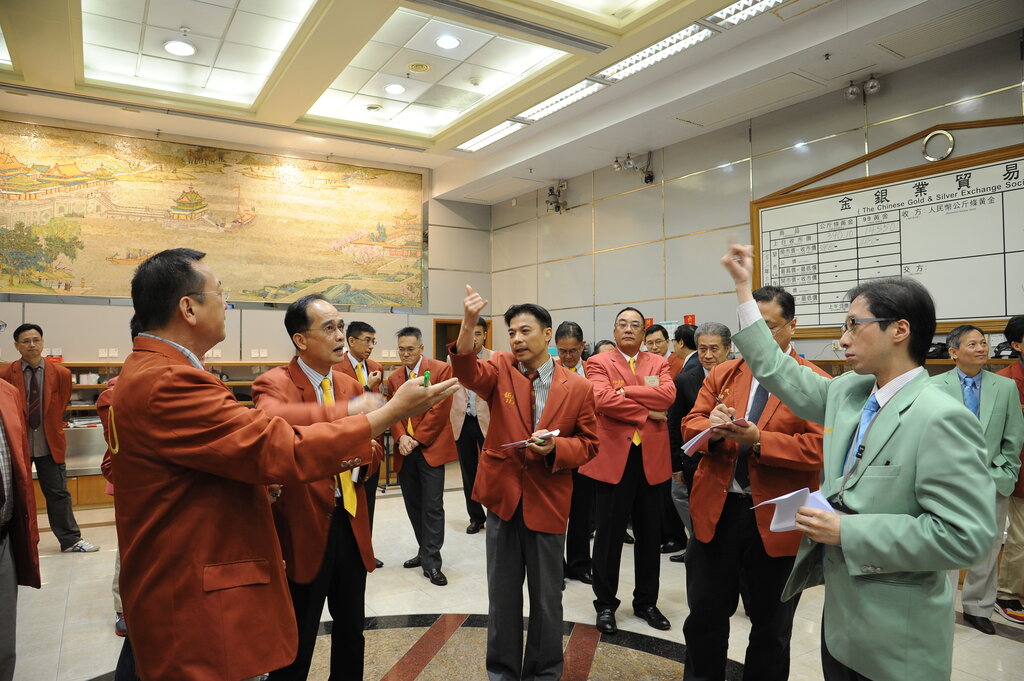
Not long ago, financial trading was a physical, noisy affair. Traders in colorful jackets crowded into trading pits, shouting orders and using frantic hand signals to buy and sell assets. This system, known as open outcry, was the heart of the market for centuries.
Then came the digital revolution. Information and Communications Technology (ICT) transformed trading from a place you go to something you do on a screen. ICT refers to all the technology used to handle information and aid communication. In finance, it’s the backbone of modern markets, covering everything from the software on a trader's computer to the vast networks that connect exchanges around the globe.
This shift made markets faster, more accessible, and more transparent. Instead of needing to be on a physical trading floor, anyone with an internet connection can now participate. ICT tore down old barriers and created a single, global marketplace.
The Modern Trader's Toolkit
The central tool for today's trader is the trading platform. This is the software that acts as a gateway to the financial markets. It provides real-time price quotes, charting tools to analyze trends, and a system for entering buy and sell orders.
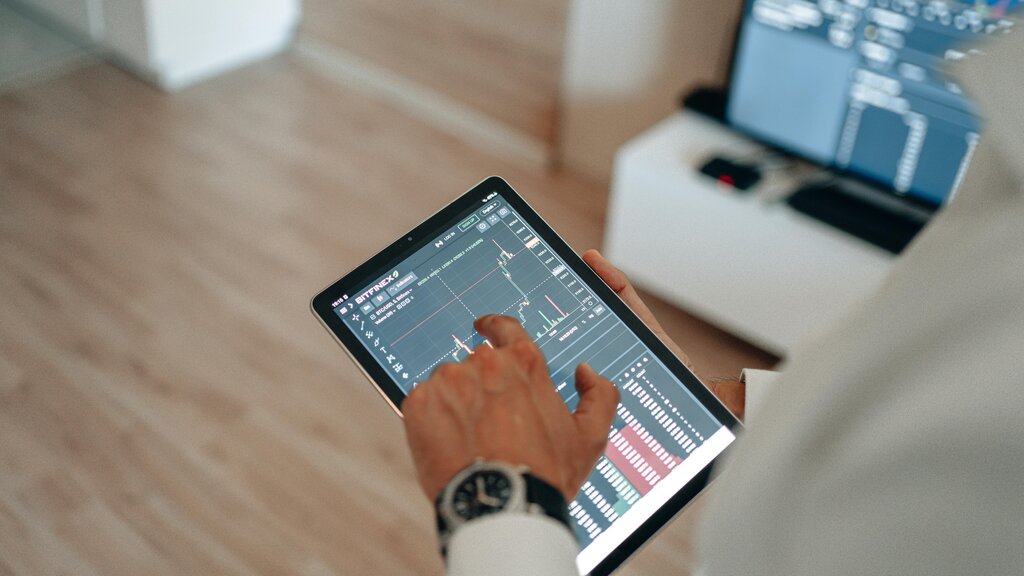
These platforms connect to the market's underlying infrastructure. Two key components of this plumbing are Electronic Communication Networks and Direct Market Access.
An Electronic Communication Network, or ECN, is an automated system that matches buy and sell orders for securities. Think of it as a digital matchmaker for traders.
Here's how an ECN works: When you place a buy order, the ECN scans its network for a matching sell order from another participant. If it finds one, the trade is executed instantly, without a traditional middleman. This process increases competition among market makers, often resulting in tighter bid-ask spreads and lower transaction costs for investors.
Cutting Out the Middleman
For traders who need the absolute fastest execution speed, there’s Direct Market Access (DMA). As the name suggests, DMA lets traders interact directly with an exchange's order book, where all buy and sell orders are listed.
Traditionally, a trader would send an order to their broker, who would then route it to the exchange. DMA removes that step. The trader's order is sent straight to the exchange via the broker's infrastructure, but without manual intervention from the broker. This reduces latency, the tiny delay between placing an order and its execution. For high-frequency traders, shaving off milliseconds can make a significant difference.
The main benefits of DMA are increased speed, greater control over order execution, and the potential for lower costs, as it bypasses the need for a broker to handle the trade manually.
Together, trading platforms, ECNs, and DMA form the core of the technological infrastructure that makes modern financial markets work. They have democratized trading, opening it up to a wider audience while simultaneously making it more efficient for institutions.
Ready to check your understanding?
What was the primary technological force behind the shift from physical trading pits to modern electronic markets?
The main purpose of a(n) ________ is to automatically match buy and sell orders from various market participants, often resulting in tighter bid-ask spreads.
This technological shift from physical pits to digital networks is the foundation of all modern trading. Understanding these core components is the first step to navigating today's complex financial markets.