Iceland's Geography and Culture
Introduction to Iceland
Where Fire Meets Ice
Tucked away in the North Atlantic Ocean, just below the Arctic Circle, lies Iceland. It's a Nordic island nation, a lonely outpost between Greenland and mainland Europe. From space, its name seems fitting, with vast white glaciers, called ice caps, covering a significant portion of its surface.
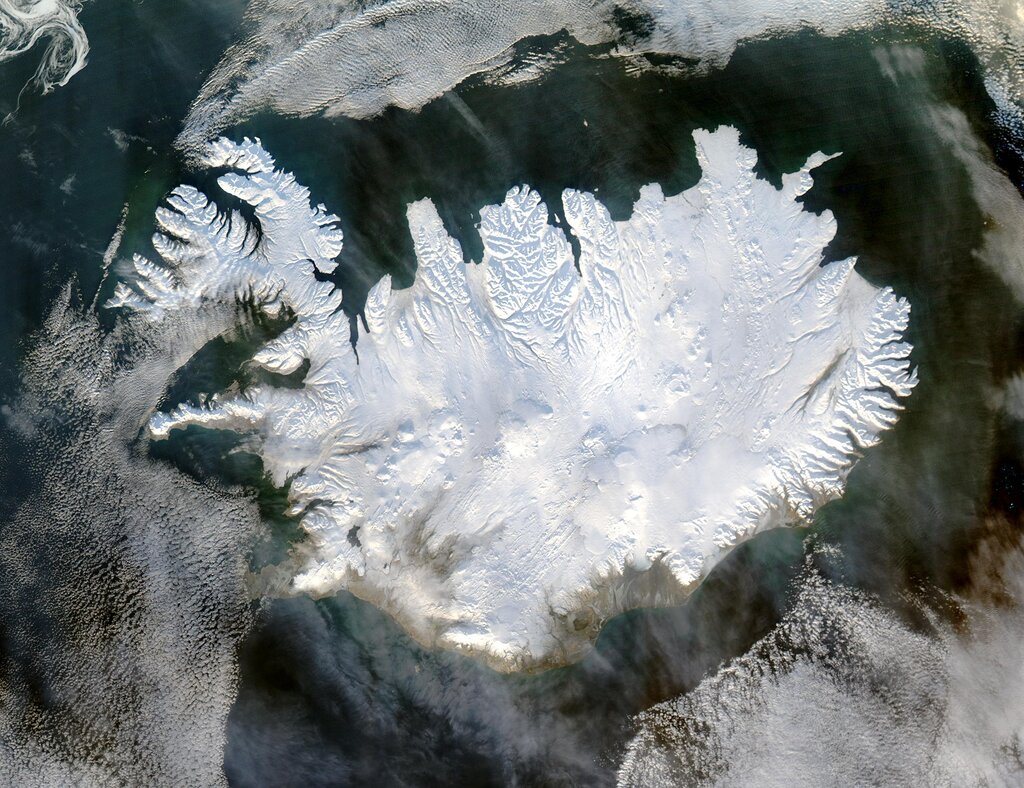
But this icy exterior hides a fiery secret. Iceland isn't just any island; it sits directly on top of the Mid-Atlantic Ridge. This is a massive underwater mountain range that marks the boundary where the North American and Eurasian tectonic plates are slowly pulling apart. As the plates separate, magma from deep within the Earth rises to the surface, creating new crust.
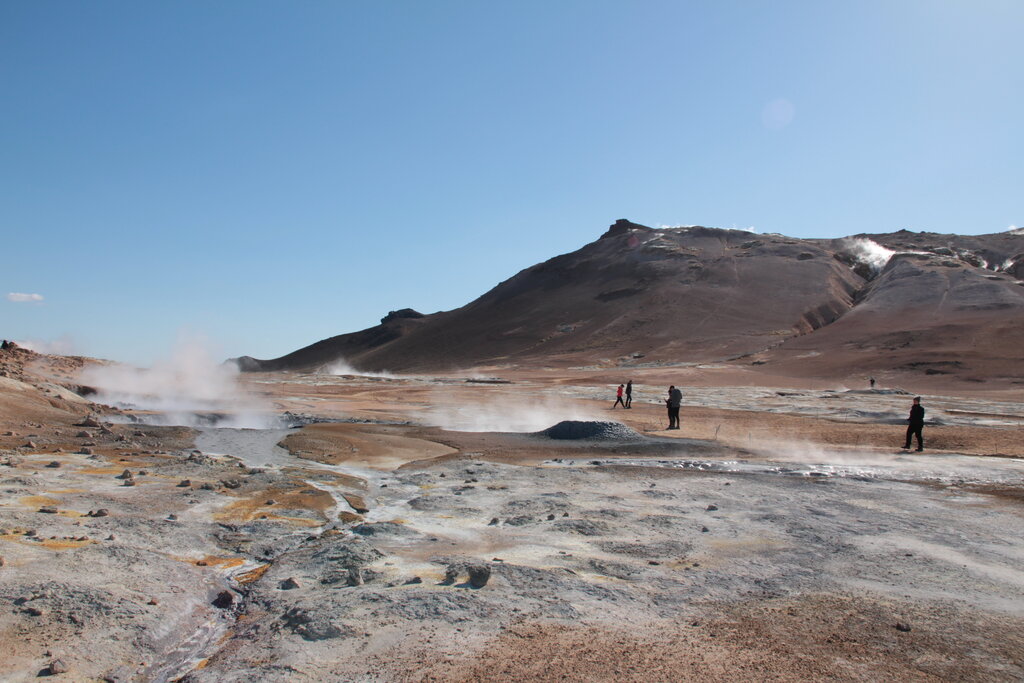
This constant geological drama makes Iceland one of the most volcanically active places on Earth. The landscape is a testament to this raw power, dotted with active volcanoes, bubbling hot springs, and powerful geysers that shoot steam and hot water into the air. This combination of glaciers and volcanic heat gives Iceland its famous nickname: the Land of Fire and Ice.
Life on the Edge
Living in such a dynamic environment has profoundly shaped Icelandic culture. The country's interior, known as the Highlands, is a volcanic desert and largely uninhabitable. As a result, most of Iceland's small population lives along the coastline, particularly in the capital city, Reykjavík.
This unique geography fostered a resilient and tight-knit society with deep historical roots.
The first permanent settlers were Norse Vikings who arrived over a thousand years ago. They brought with them their language, Old Norse, which has evolved into modern Icelandic. Because of the island's isolation, the language has changed less than other Scandinavian languages, making it remarkably similar to the one spoken by the Vikings.
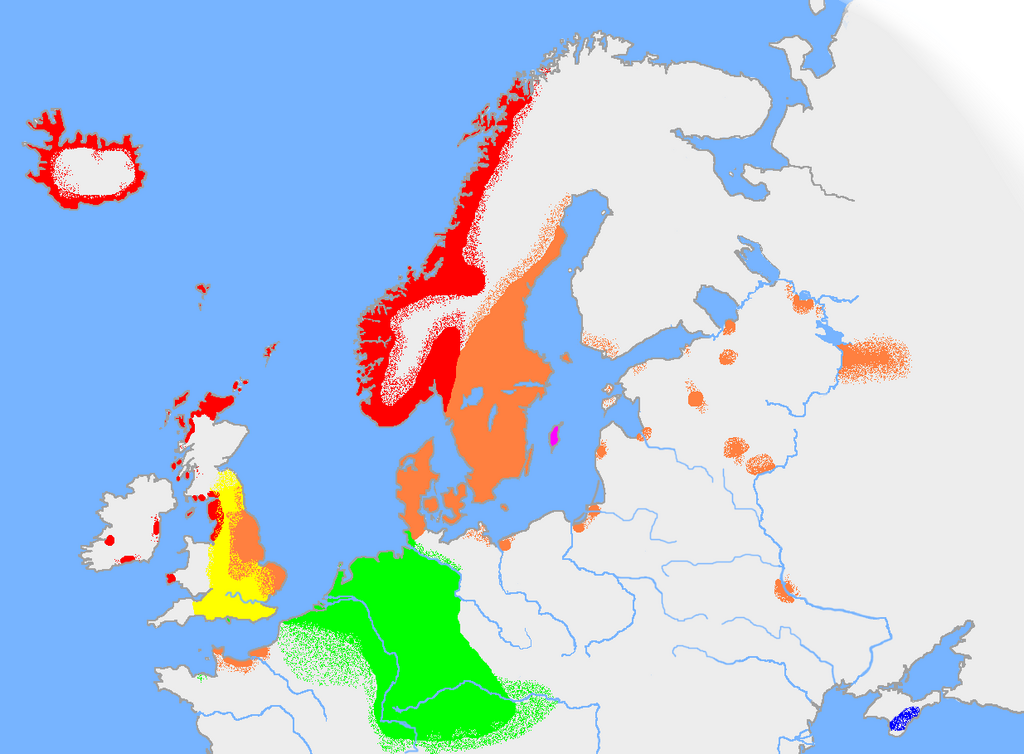
This connection to a Norse heritage is a cornerstone of Icelandic identity, woven into its literature, traditions, and the very spirit of its people, who have learned to thrive in a land of dramatic contrasts.
Ready to check your understanding?
What major geological feature is directly responsible for Iceland's intense volcanic activity?
Iceland's nickname, "The Land of Fire and Ice," comes from the combination of its many active volcanoes and its large glaciers.
From its turbulent geology to its resilient culture, Iceland is a powerful example of how geography can shape a nation's story.