Iced Latte Candle Making
Candle Making Basics
Choosing Your Wax
The wax is the heart of your candle. It determines how long it burns, how it smells, and even how it looks. While there are many types of waxes and blends, most beginners start with one of three main players: paraffin, soy, or beeswax.
The choice of wax makes the biggest difference in how your candle looks, burns, and smells.
Paraffin wax is the traditional choice. It's a byproduct of petroleum refining, and it's known for its ability to hold a lot of fragrance and color. A well-made paraffin candle will have a very strong scent.
Soy wax is a natural wax made from the oil of soybeans. It's become incredibly popular because it burns cleanly and slowly. It's also easy to work with, making it a great starting point for new candlemakers. You might sometimes see a white, crystalline layer form on your soy candles—this is called "frosting," and it's a normal, harmless characteristic of natural soy wax.
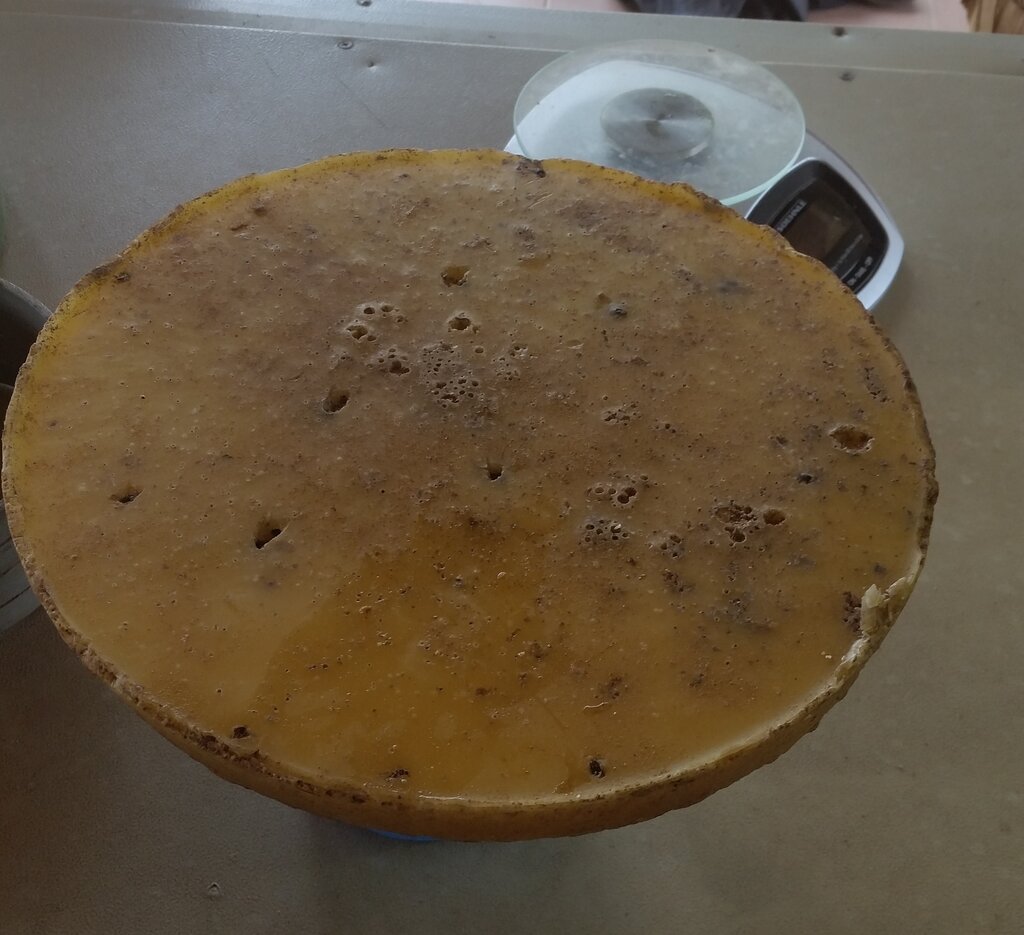
Beeswax is another natural option, produced by honey bees. It has a beautiful golden color and a subtle, sweet honey scent all on its own. Beeswax is a very hard wax, which means it burns much longer than soy or paraffin. Because of its natural scent, it can sometimes compete with added fragrances.
Here’s a quick comparison to help you decide.
| Wax Type | Origin | Scent Throw | Burn Time | Beginner Friendliness |
|---|---|---|---|---|
| Paraffin | Petroleum | Excellent | Standard | Medium |
| Soy | Soybeans | Good | Long | High |
| Beeswax | Honey Bees | Fair (natural scent) | Very Long | Medium |
The Right Wick
A wick isn't just a piece of string; it's the engine of your candle. It works by drawing melted wax up through its fibers via capillary action, where the flame then vaporizes the wax and uses it as fuel. Choosing the right size is critical.
A wick that's too small for the container won't be able to melt the wax all the way to the edges. This causes "tunneling," where the candle burns straight down the middle, wasting most of the wax. A wick that's too large will create a dangerously big flame, produce excess soot, and burn through the candle way too fast.
The right wick size depends on the type of wax you're using and, most importantly, the diameter of your candle container. Most suppliers provide charts to help you match your container size to the correct wick series. When in doubt, it's always best to make a small test candle first.
Melting and Pouring
The final step is to melt your wax and pour your candle. Safety is key here. Wax is flammable, so you should never melt it directly on a stove burner. Instead, use a double boiler. If you don't have one, you can create a makeshift version by placing a pouring pitcher inside a larger pot filled with a few inches of water.
Heat the wax gently until it's completely melted. Most waxes have a specific temperature for adding fragrance oil—this is crucial. If you add it when the wax is too hot, the fragrance can burn off. If it's too cool, the oil won't mix in properly. A digital thermometer is your best friend here.
After stirring in your fragrance for a couple of minutes, it's time to pour. Secure your wick to the bottom center of your container using a wick sticker or a dab of hot glue. Pour the wax slowly and steadily to avoid air bubbles. Use a wick centering tool or a clothespin to hold the wick straight while the wax cools and hardens. Patience is important; let the candle cure for at least 24 hours before trimming the wick and lighting it.
To create beautiful candles, choose the right wax like soy or paraffin and control your temperature between 160-170°F for a smooth finish.
Let's check your understanding of these core concepts.
You've lit a candle you made, but notice it's only melting in a small circle down the center, leaving a thick wall of unmelted wax around the edges. What is the most likely cause of this issue, known as "tunneling"?
A white, crystalline layer that sometimes forms on the surface of soy candles is a defect that ruins the candle.
With these fundamentals, you're ready to start your candlemaking journey. Mastering the interplay of wax, wick, and temperature is the foundation for every candle you'll create.