IATA Dangerous Goods Air Transport
Introduction to Dangerous Goods
What Are Dangerous Goods?
Dangerous goods, often called hazardous materials or hazmat, are substances or articles that can pose a risk to health, safety, property, or the environment when transported. While some items are obviously hazardous, like explosives or corrosive chemicals, many common household products can also fall into this category, especially when shipped by air.
Think about things like spray cans, perfumes, or laptops with lithium batteries. On the ground, they seem harmless. But the conditions of air travel, like changes in air pressure and temperature, can cause them to leak, generate toxic fumes, or even ignite. For this reason, international regulations strictly control how these items are shipped.
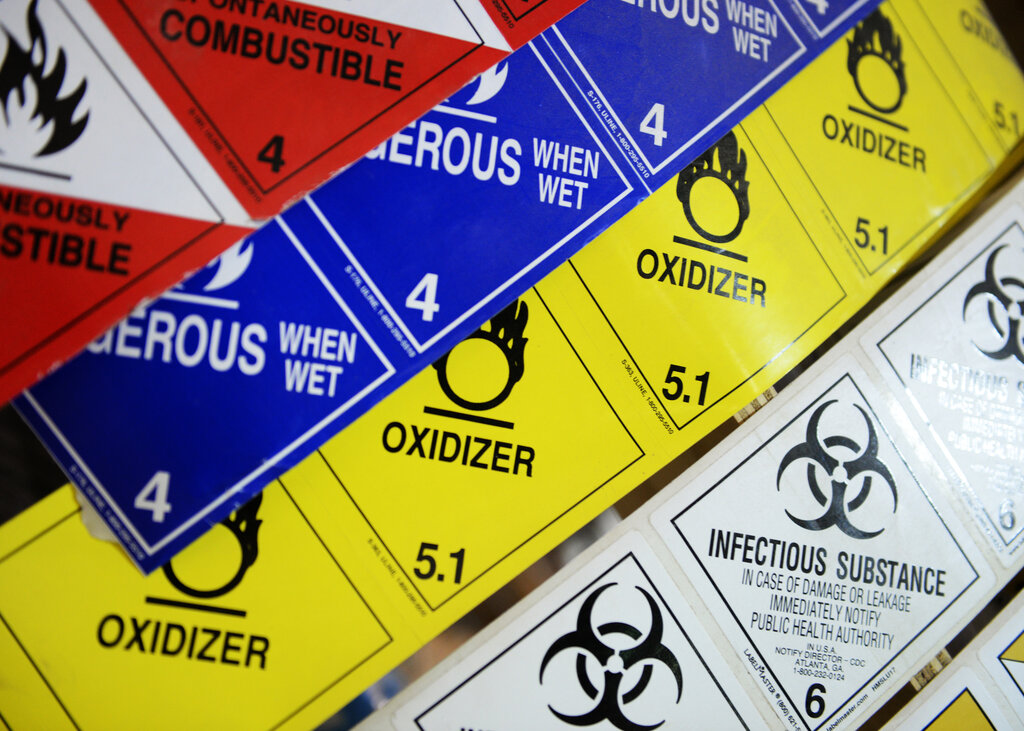
Properly identifying and classifying these goods is the first step in ensuring they are handled safely. It allows everyone, from the person packing the box to the pilot flying the plane, to understand the potential dangers and take the right precautions.
Nine Classes of Danger
To standardize how we talk about these risks, dangerous goods are divided into nine classes based on their primary hazard. This universal system helps ensure that a package shipped from one country is understood and handled correctly in another.
| Class | Hazard Type | Common Examples |
|---|---|---|
| 1 | Explosives | Ammunition, fireworks |
| 2 | Gases | Aerosols, fire extinguishers, propane tanks |
| 3 | Flammable Liquids | Paint, gasoline, alcohol |
| 4 | Flammable Solids | Matches, sulfur |
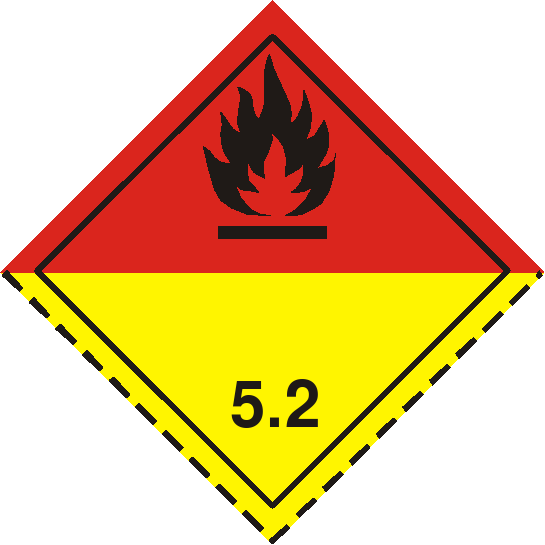
| 5 | Oxidizers & Organic Peroxides | Chemical oxygen generators, fertilizers |
| 6 | Toxic & Infectious Substances | Pesticides, medical samples |
| 7 | Radioactive Materials | Medical isotopes, smoke detectors |
| 8 | Corrosives | Batteries, acids, drain cleaner |
| 9 | Miscellaneous | Lithium batteries, dry ice, magnetized materials |
Some classes are further divided into sub-categories to specify the exact nature of the risk. For example, Class 2 includes flammable gases, non-flammable non-toxic gases, and toxic gases.
Class 9 is a catch-all for substances that present a danger during transport but don't fit into any of the other eight classes. This is where you'll find items like lithium-ion batteries, which can overheat and catch fire under certain conditions, and dry ice, which can cause suffocation in a confined space as it turns into carbon dioxide gas.
Risks in the Air
Transporting goods by air introduces unique challenges. The pressure inside a cargo hold is lower than on the ground, which can cause sealed containers to leak or burst. Temperature can swing dramatically, from hot tarmacs to freezing temperatures at cruising altitude, which can affect the chemical stability of some products.
Vibrations from the aircraft's engines and turbulence can also stress packaging. A small, undetected leak of a flammable or corrosive material can have catastrophic consequences in an enclosed aircraft thousands of feet in the air. That's why the rules for air transport are often the strictest.
Failure to comply with regulations can endanger the flight crew, passengers, and the aircraft itself, leading to severe penalties for the shipper.
Now, let's test your understanding of these fundamental concepts.
What is the primary purpose of classifying dangerous goods into nine distinct classes?
Why are common household items like aerosol cans or perfumes often subject to strict regulations for air transport?
Understanding what makes a good 'dangerous' and how it's classified is the foundation of safe air cargo transport.