Hypertrophy for Forearms and Abdominals
Forearm Biomechanics
The Forearm as a Lever System
Think of your forearm not just as a collection of muscles, but as a sophisticated system of levers. Your wrist joint (the carpus) acts as the fulcrum, or pivot point. The muscles in your forearm, like the flexor and extensor groups, provide the effort, and the weight in your hand is the resistance. This setup is a classic third-class lever, where the effort is applied between the fulcrum and the resistance. This arrangement prioritizes speed and range of motion over raw force, which is why you can flick your wrist quickly but can't lift heavy weights with wrist curls alone.
In a third-class lever, the mechanical advantage is always less than one. This means your forearm muscles must generate forces far greater than the weight you're actually holding.
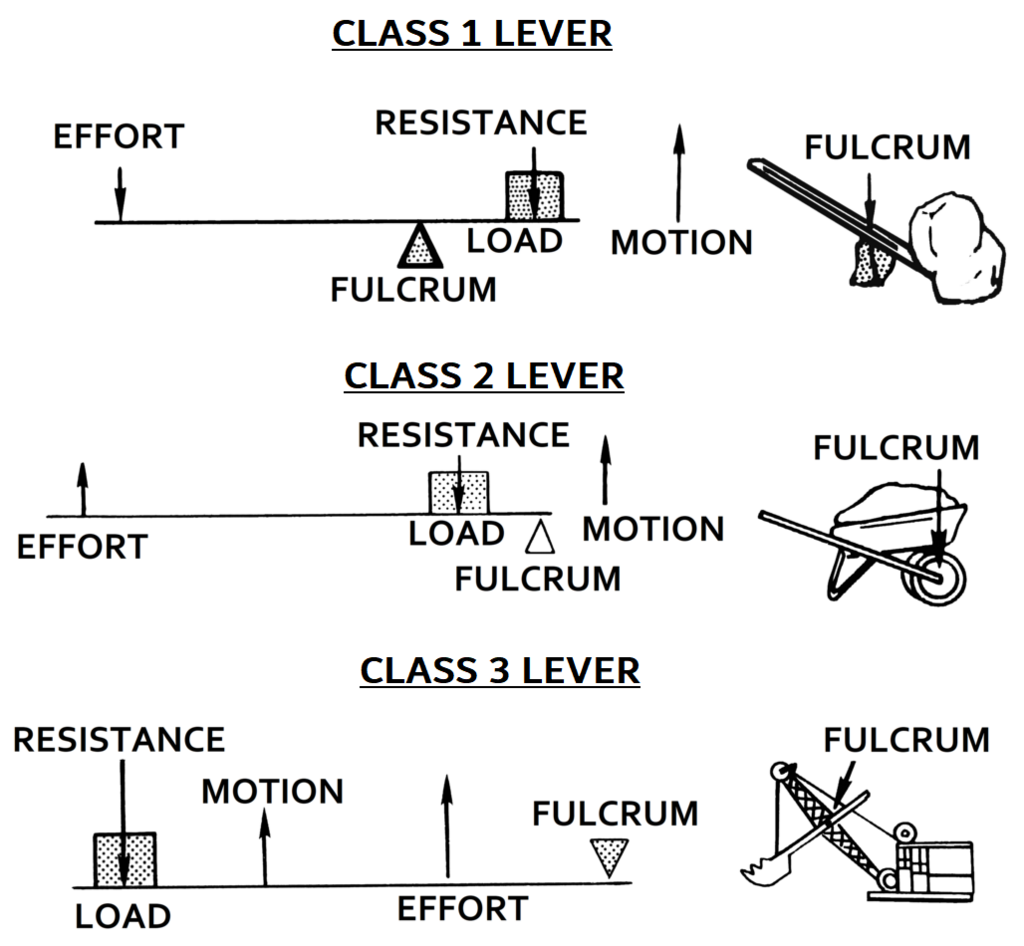
When you perform a wrist curl, the flexor carpi radialis and flexor carpi ulnaris contract, pulling your hand upwards. During a reverse wrist curl, the extensor carpi radialis longus and brevis do the work. The key to hypertrophy is understanding how to manipulate these levers to place maximum tension on the target muscle. Small changes in grip or angle can completely change which muscle bears the brunt of the load.
The Three Pillars of Grip
Grip strength isn't a single metric. It’s a combination of three distinct types of force, each emphasizing different muscle groups and biomechanics. Mastering all three is essential for developing well-rounded, functional forearms. The brachioradialis plays a crucial, though sometimes overlooked, role across all grip types, especially when the elbow is bent.
| Grip Type | Primary Action | Key Muscles Involved |
|---|---|---|
| Crushing | Squeezing or closing the hand | Flexor digitorum superficialis, Flexor digitorum profundus |
| Pinching | Squeezing between thumb and fingers | Flexor pollicis longus, Adductor pollicis, Interossei |
| Supporting | Holding an object for time | Primarily an isometric contraction of all flexor groups |
Crushing grip is what you use to shake a hand or squeeze a gripper. Pinching grip is for holding a weight plate by its edge. Supporting grip is what allows you to carry heavy grocery bags or hold onto a pull-up bar. While they all involve the forearm flexors, the specific heads and stabilizers involved change with each task. For example, pinch grip heavily relies on the strength of your thumb muscles, which originate in the forearm.
Tuning for Maximum Tension
To maximize muscle growth, you need to maximize mechanical tension. Two key variables allow you to do this in the forearm: wrist position and elbow angle. The length-tension relationship is a core principle here. A muscle generates its greatest force when it's at an optimal length—not too stretched, and not too contracted.
When you perform a wrist curl, if your wrist is slightly extended at the start, the forearm flexors are pre-stretched, allowing for a stronger contraction. Conversely, trying to grip something tightly with your wrist already fully flexed is difficult because the flexor muscles are already in a shortened, weak position.
Elbow angle primarily shifts the load onto or off of the brachioradialis. With the elbow fully extended during a curl (like in a preacher curl), the brachialis and biceps do more of the work. Bend the elbow to 90 degrees and use a neutral grip, and the brachioradialis takes over. This is because its line of pull is most direct in that position.
Finally, consider wrist deviation. Tilting your hand toward your pinky (ulnar deviation) or thumb (radial deviation) during curls can help isolate specific muscles. For example, ulnar deviation during a wrist curl can place more emphasis on the flexor carpi ulnaris.
The forearm, with the wrist as the fulcrum and muscles providing effort between the fulcrum and the resistance (a weight in hand), is an example of what class of lever?
According to the principle of the length-tension relationship, why is it beneficial to start a wrist curl with the wrist slightly extended?