Hypertrophy and Holistic Health Optimization
Hypertrophy Mechanisms
The Triggers of Muscle Growth
You already know that lifting weights builds muscle. But what's happening under the skin? The process isn't just about moving weight; it's about creating specific signals that tell your body to grow. There are three main triggers for muscle hypertrophy: mechanical tension, metabolic stress, and muscle damage. While all three play a role, they are not equally important. Understanding how they work allows you to choose the right exercises and techniques to reach your goals.
To begin, keep in mind three primary factors that trigger hypertrophy: mechanical tension, muscle damage and metabolic response, according to the National Strength and Conditioning Association (NSCA).
Mechanical Tension: The Main Event
Mechanical tension is the single most important driver of muscle growth. It's the force generated within your muscle fibers when they are stretched and then contracted under load. Think of a rubber band being pulled taut. This tension is the primary stimulus your body responds to.
When muscle fibers are put under significant tension, specialized sensors within the cells detect this physical stress. This process, known as mechanotransduction, converts the mechanical load into a cascade of chemical signals. These signals activate key growth pathways, most notably the mTOR pathway, which directly stimulates muscle protein synthesis. This is the process of building new contractile proteins, making the muscle fibers thicker and stronger.
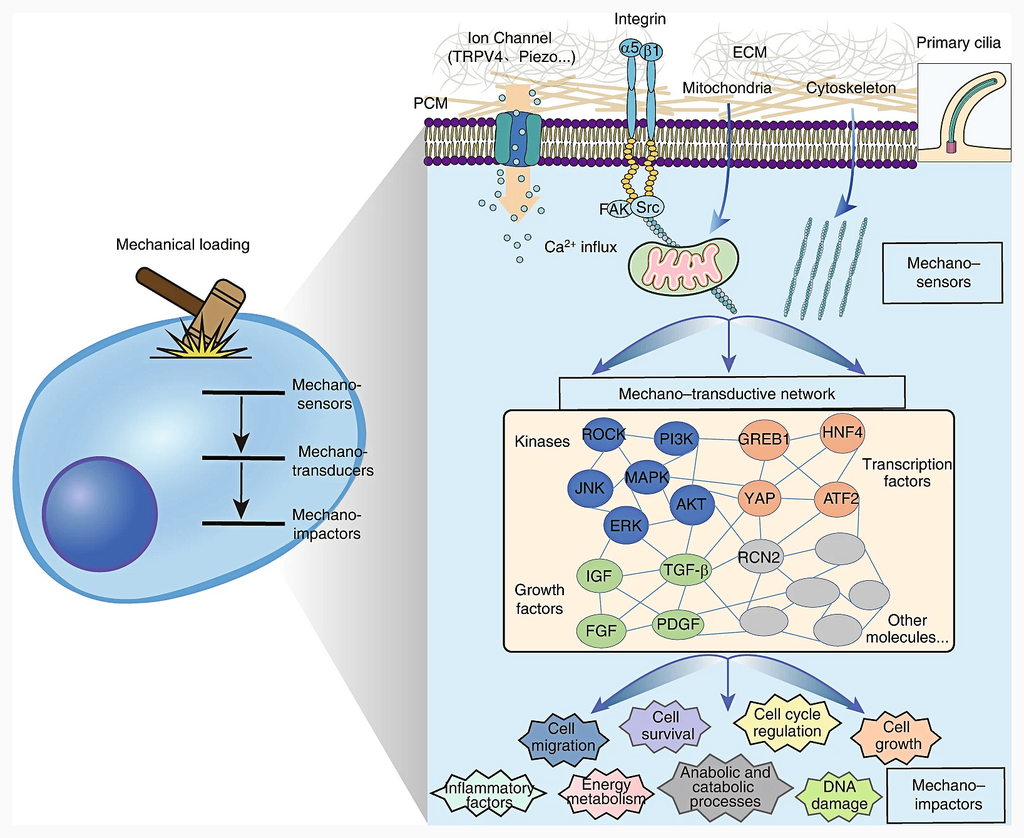
This direct stimulation of protein synthesis is what leads to myofibrillar hypertrophy. This isn't just about making the muscle look bigger; it's about increasing its functional capacity by adding more of the proteins responsible for contraction.
Myofibrillar Hypertrophy
noun
The growth of the muscle fiber's contractile components, actin and myosin. This type of growth directly increases the muscle's ability to produce force.
Metabolic Stress and The Pump
Ever feel that tight, swollen sensation in your muscles during a high-rep set? That's the "pump," and it's a sign of high metabolic stress. This happens when you perform exercises that create a temporary oxygen deficit in the muscle. To keep working, the muscle relies on anaerobic energy production, which leads to a buildup of metabolic byproducts like lactate and hydrogen ions.
This accumulation of metabolites does a few things. It causes cell swelling, where water is drawn into the muscle cells, stretching the cell membrane. This stretching can be perceived as a threat to the cell's integrity, which in turn can signal a growth response. This type of growth is often called sarcoplasmic hypertrophy, focusing more on increasing the fluid and non-contractile elements within the muscle fiber.
Sarcoplasmic Hypertrophy
noun
An increase in the volume of the sarcoplasm, the fluid within the muscle fiber that contains glycogen, water, and other non-contractile components. This increases muscle size without a proportional increase in strength.
While metabolic stress is a less direct driver of growth than tension, it's a valuable secondary mechanism. It complements the growth from mechanical tension, contributing to overall muscle size.
The Role of Muscle Damage
Muscle damage refers to the micro-tears that occur in muscle fibers during intense exercise, particularly from movements you're not used to or that have a strong eccentric (lowering) component. This damage triggers an inflammatory response, which is a crucial part of the repair and rebuilding process.
As part of this response, specialized stem cells called satellite cells are activated. These cells are located on the outside of muscle fibers. When activated, they multiply and fuse to the damaged muscle fibers, donating their nuclei. More nuclei mean the muscle fiber can produce more protein, enhancing its capacity for repair and growth. This process helps not only to fix the damage but to build the fiber back bigger and more resilient than before.
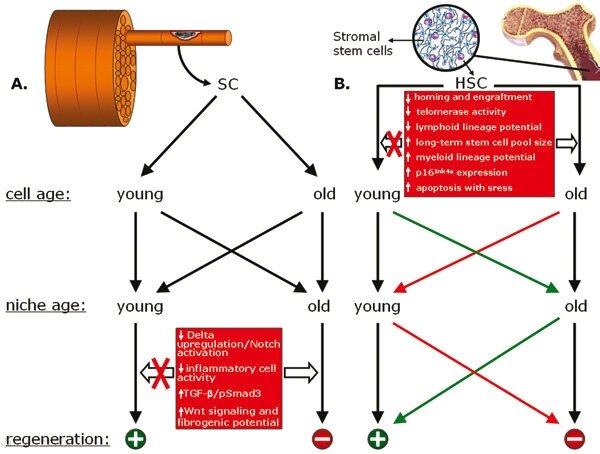
However, muscle damage is a double-edged sword. While some is necessary to kickstart the recovery and adaptation process, too much can be counterproductive. Excessive damage creates so much need for repair that it can interfere with the actual growth process, and the soreness it causes can hinder your next workout. It's a contributing factor, but not the goal itself. The goal is to stimulate growth, not just create damage.
Putting It All Together
So how do we use this information? Every exercise you do can be evaluated through the lens of these three mechanisms. A heavy deadlift is almost pure mechanical tension. A set of bicep curls taken to failure with moderate weight and short rest has high mechanical tension and significant metabolic stress. Running a marathon causes immense muscle damage but provides very little tension, which is why it doesn't build large muscles.
Your goal is to find exercises and training styles that provide a high stimulus for growth with the least amount of systemic fatigue. This concept is often called the Stimulus-to-Fatigue Ratio (SFR). A good program maximizes tension and uses metabolic stress strategically, all while managing muscle damage to allow for consistent, effective training.
Ultimately, mechanical tension is king. Metabolic stress is a strong ally. Muscle damage is a side effect to be managed, not chased.
Now, let's test your understanding of these core principles.
What is the single most important driver of muscle growth?
The tight, swollen feeling in a muscle during a high-rep set, often called the "pump," is a primary indicator of which mechanism?
By understanding these physiological drivers, you can move beyond simply following a plan and start making informed decisions about your training.