Hydrothermal Dolomites and Oil Gas Exploration
Introduction to Dolomite
Meet Dolomite
Walk along a rocky coast or through an ancient mountain range, and you're likely treading on dolomite. It's a common mineral, but it's also the name of a rock made mostly of that mineral. This dual identity makes it a fundamental building block of the Earth's crust, found in sedimentary rock layers all over the world.
A Chemical Cousin to Limestone
At its core, dolomite is a carbonate mineral. Its chemical structure is very similar to calcite (), the primary mineral in limestone. The key difference is the addition of magnesium. Dolomite has a specific, ordered arrangement of calcium and magnesium ions.
This formula tells us that for every one calcium atom (Ca) and one magnesium atom (Mg), there are two carbonate groups (). This perfect 1-to-1 ratio of calcium to magnesium is what defines a true dolomite. If the balance is off, you might have a different mineral, like high-magnesium calcite.
How to Spot Dolomite
Identifying dolomite involves looking at its physical properties. Like many minerals, it has a characteristic look and feel. Geologists use a few key tests to distinguish it from similar-looking minerals, especially calcite.
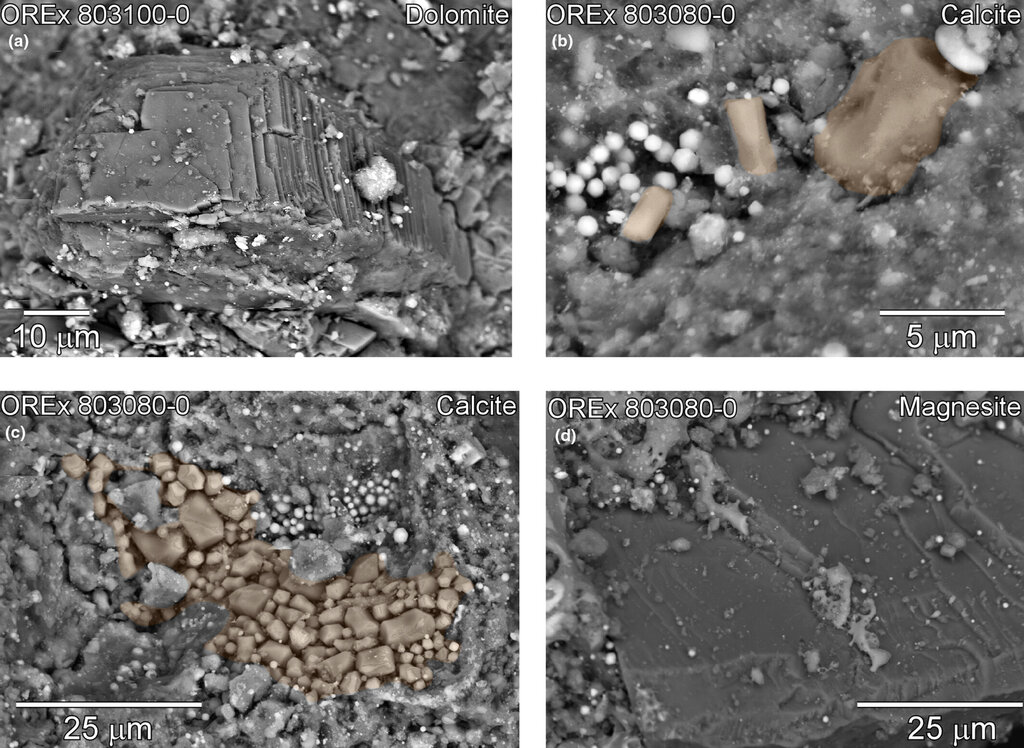
Dolomite often appears as small, rhombohedral crystals, which look like slanted rectangles. When it breaks, it tends to cleave along these planes, creating smooth, flat surfaces. Its color can vary from white and gray to pink or tan, and it often has a pearly or glassy luster.
| Property | Description |
|---|---|
| Color | White, gray, pinkish, colorless, tan |
| Hardness | 3.5 - 4 on the Mohs scale (harder than a fingernail) |
| Cleavage | Perfect, in three directions, forming rhombohedrons |
| Luster | Vitreous (glassy) to pearly |
| Acid Test | Fizzes weakly in cold, dilute hydrochloric acid |
The acid test is a classic field technique. When a drop of cold, dilute hydrochloric acid is placed on calcite, it fizzes vigorously. Dolomite, however, reacts much more slowly. It will only fizz noticeably if it's first scratched into a powder, which increases the surface area for the reaction.
This subtle difference in the acid test is one of the most reliable ways to tell dolomite and calcite apart in the field.
Where It's Found
Dolomite is primarily found in sedimentary settings, often in massive layers that can be hundreds of feet thick. These rocks, called dolostones, form a significant portion of the geological record. They are often found interbedded with limestones, shales, and evaporites like salt and gypsum. Famous geological formations, like the Dolomite Mountains in Italy, are carved almost entirely from this rock.
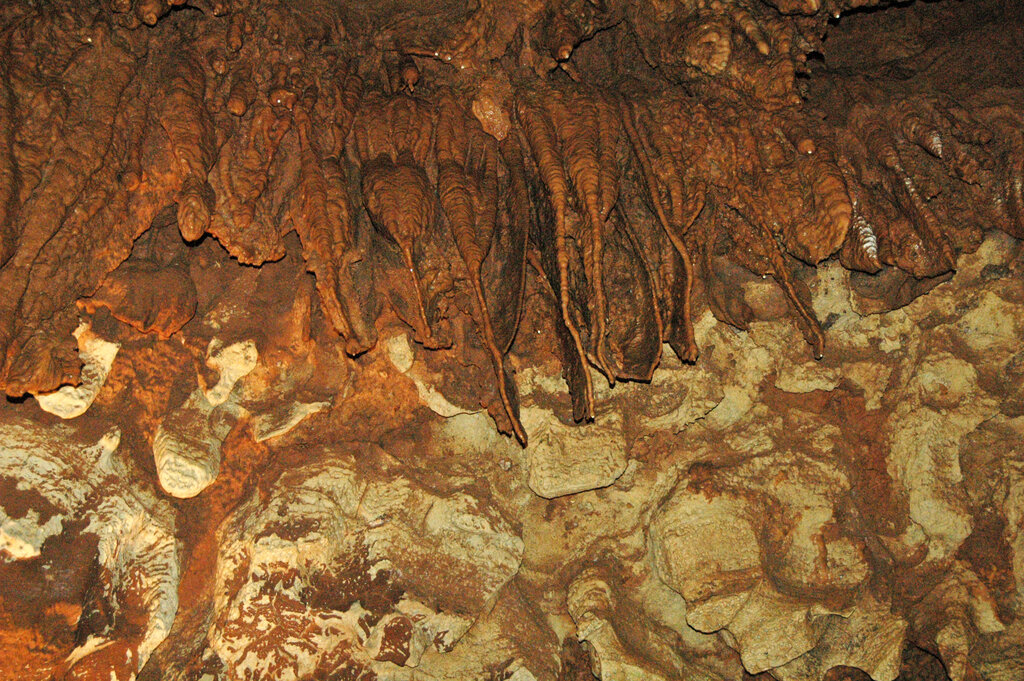
While most dolomite is ancient, it can also form in modern environments. It's been found in specific saline lakes and tidal flats where unique chemical conditions allow magnesium to incorporate into the carbonate structure. Understanding these occurrences helps geologists piece together the history of past environments on Earth.