Hydroponics Principles Explained
Introduction to Hydroponics
A Garden Without Soil
Plants don't actually need soil to grow. They need the nutrients and water that soil holds. What if you could deliver those essentials directly to the plant's roots? That's the core idea behind hydroponics.
Hydroponics is a method of growing plants without soil, using a nutrient-rich water solution instead.
While it sounds futuristic, the concept is ancient. The legendary Hanging Gardens of Babylon and the floating gardens of the Aztecs were early forms of hydroponics. Scientists began seriously studying soilless cultivation in the 17th century, laying the groundwork for the modern systems we use today.
How Plants Live on Water
In a traditional garden, a plant expends a lot of energy growing a large root system to search for nutrients and water in the soil. Soil acts as a middleman, holding onto the minerals a plant needs to thrive.
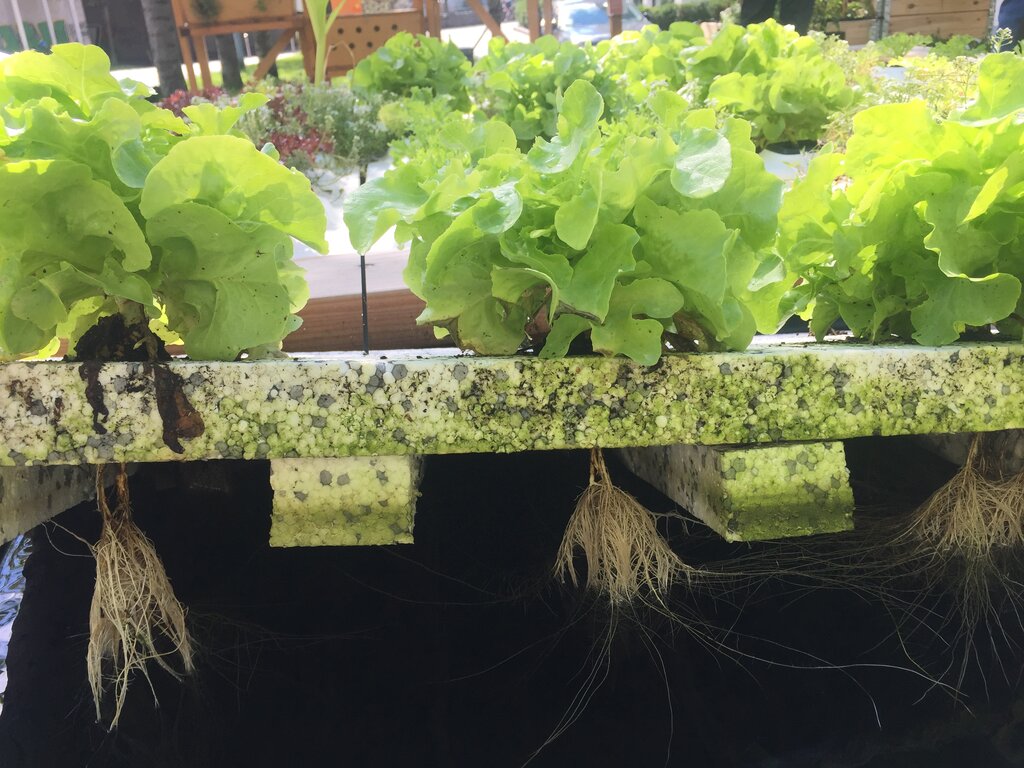
Hydroponics cuts out the middleman. Instead of soil, plants are often supported by an inert medium like rockwool, clay pebbles, or even just air. Their roots are then directly bathed in a water solution filled with all the essential minerals they need. This direct access allows the plant to focus its energy on growing leaves and fruits, rather than searching for food.
The Hydroponic Advantage
By providing nutrients on demand, hydroponics can accelerate plant growth and produce higher yields than traditional agriculture. Since plants are getting exactly what they need, when they need it, they often mature faster.
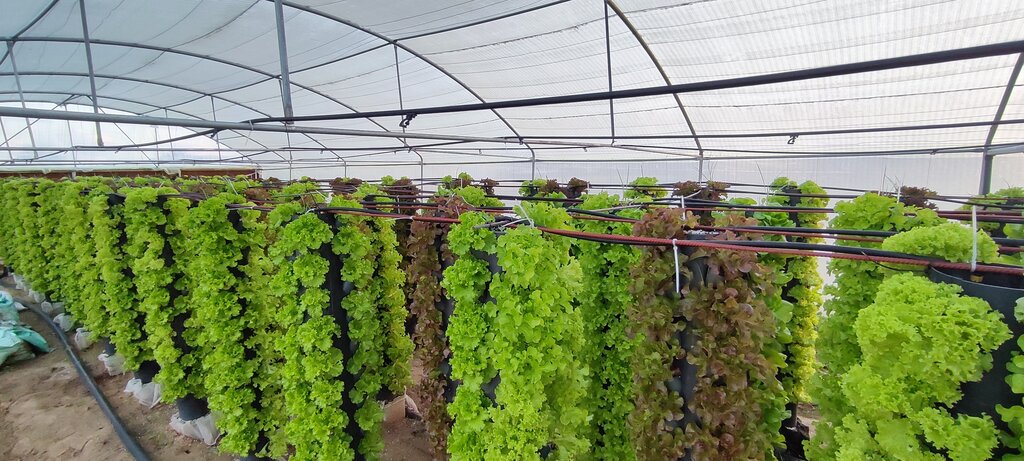
This method is also incredibly space-efficient. Without the need for large plots of land, crops can be grown in vertically stacked layers, inside greenhouses, or in urban areas where farmland is scarce. This opens up possibilities for growing fresh produce right where it's needed most, reducing transportation costs and food miles.
Furthermore, because the growing environment is controlled, crops can be cultivated year-round, regardless of the weather or season outside. This leads to a more consistent and reliable food supply.
Greener Growing
Hydroponics offers significant environmental benefits. The most notable is water conservation. Most hydroponic systems recirculate water, allowing plants to absorb what they need while the rest is captured and reused. This approach can use up to 90% less water than conventional soil-based farming.
In a closed-loop hydroponic system, water isn't lost to evaporation or runoff into the environment. It's used again and again.
Pesticide and herbicide use is also drastically reduced. Because hydroponic farms are often enclosed, plants are protected from many common pests and soil-borne diseases. This eliminates the need for chemical treatments, resulting in cleaner produce and less chemical runoff polluting nearby soil and water sources.
Ready to check your understanding?
What is the fundamental principle behind hydroponics?
Compared to traditional farming, a major environmental benefit of most hydroponic systems is that they...
By rethinking the role of soil, hydroponics provides a powerful way to grow more food with fewer resources.