Hydronic Boiler Plumbing Systems
System Configuration Basics
The Heart of the System: Boilers and Loops
In a hydronic system, the boiler is the heat source, but the water is the vehicle that delivers the warmth. Most modern heating systems use a closed loop. This means the same water is continuously circulated, heated by the boiler, sent out to radiators or radiant floors, and then returned to the boiler to be reheated. Nothing is consumed, and no new water is introduced during normal operation, aside from minor additions to maintain pressure.
Think of it like a train on a circular track. The boiler is the station where the train (water) picks up its cargo (heat). It then travels the loop, dropping off heat at various stops (the loads, like baseboard heaters) before returning to the station empty, ready for another load. This constant circulation is managed by pumps.
Flow, Resistance, and the Modern Boiler
Older, large cast-iron boilers held a lot of water and had wide-open passages. Water flowed through them with little resistance. Modern high-efficiency boilers are different. To squeeze out every bit of energy from the fuel, they use very compact, intricate heat exchangers. This design maximizes the surface area for heat transfer but creates a significant amount of flow resistance, also known as pressure drop—the reduction in pressure as water is forced through the component.
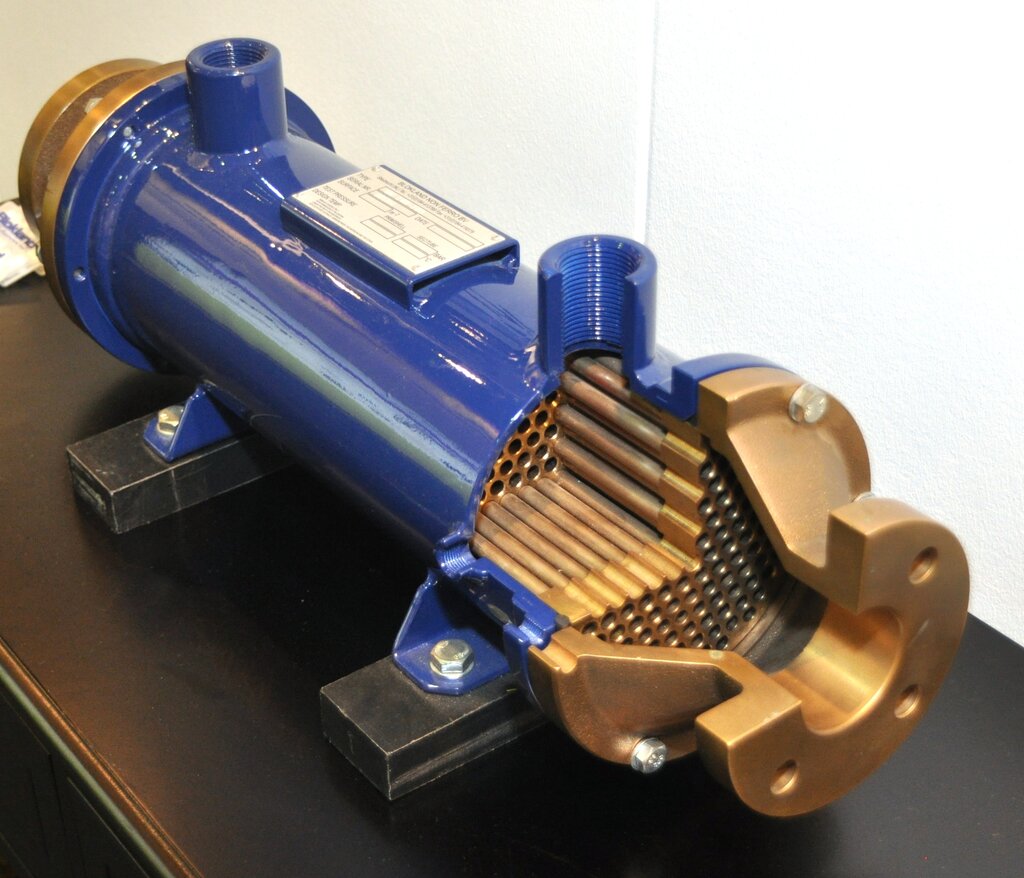
This high pressure drop is a critical design consideration. The boiler’s built-in circulator pump is often only strong enough to overcome the resistance of the boiler itself. It may not have enough power to push the required flow rate through the entire building's distribution piping and heat emitters. Forcing it to do so can lead to insufficient heat delivery and damage to the pump. This challenge is why we can't just connect the boiler directly to the distribution loop in many cases.
Connecting Boilers to the Load
To connect the heat source (boilers) to the heat distribution system (loads), we use a manifold called a header. The header acts as a central intersection, allowing boiler flow to be combined and then distributed to various heating zones. The most basic design challenge is ensuring that the flow through the boilers is independent of the flow through the different heating zones.
When multiple boilers are used for higher capacity or redundancy, they can be piped in two main ways: series or parallel.