Hydrographic Printing Mastery
Introduction to Hydrographic Printing
Printing on Water
Imagine being able to wrap a complex, three-dimensional object in a seamless, detailed pattern. You could cover a car's dashboard in a perfect carbon fiber finish or decorate a gaming controller with a vibrant camouflage design. This isn't magic; it's a process called hydrographic printing.
Also known as hydro dipping or water transfer printing, this method uses water to apply printed designs to 3D surfaces.
The technique was first patented in 1982 by Motoyasu Nakanishi, an engineer in Japan. The core idea was to find a way to decorate complex shapes that traditional printing methods couldn't handle. It solved a major challenge: how to apply a flat, printed image onto a curved or irregular surface without stretching, tearing, or distorting the design.
How It Works
The secret behind hydrographics lies in a special material: a polyvinyl alcohol (PVA) film. This film is printed with a graphic design using specialized inks. The key property of PVA is that it's water-soluble. When placed on water, the film itself dissolves, but the ink pattern does not.
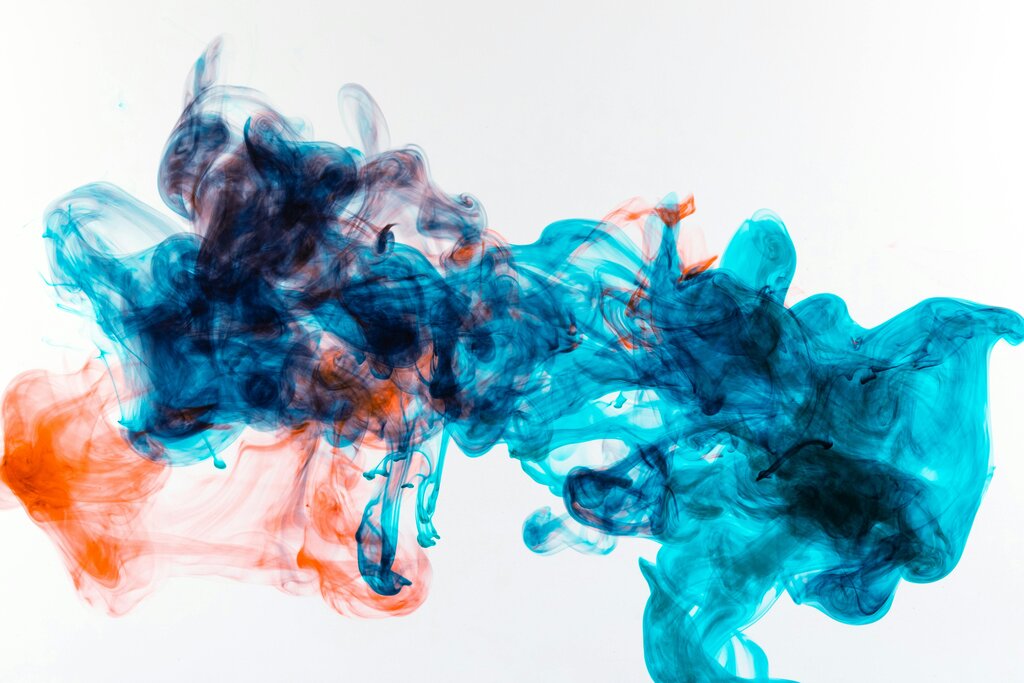
Next, a chemical activator is sprayed over the floating ink. This activator is a solvent that liquefies the ink, turning the solid pattern into a thin, liquid layer floating on the water's surface. It’s now ready to adhere to any object that passes through it.
The object to be decorated is first prepped—cleaned, sanded, and often coated with a primer or base coat color. This ensures the ink has a perfect surface to stick to. The object is then slowly and carefully dipped through the floating ink layer. The natural pressure of the water conforms the ink to every curve and crevice of the object, creating a seamless wrap.
After dipping, the object is rinsed to wash away any remaining PVA residue. Finally, a durable clear coat is applied. This top layer protects the design from scratches, UV light, and general wear, making the finish as tough as a factory paint job.
Countless Applications
One of the biggest advantages of hydrographic printing is its versatility. It can be applied to a wide range of materials, as long as they can be safely submerged in water and painted. This includes:
| Material Category | Examples |
|---|---|
| Plastics | ABS, polycarbonate, PVC |
| Metals | Aluminum, steel, stainless steel |
| Wood | Hardwoods, finished wood products |
| Glass | Bottles, decorative items |
| Ceramics | Mugs, tiles |
| Fiberglass | Vehicle parts, helmets |
This flexibility has led to its adoption across many industries. In the automotive world, it's used to customize everything from dashboards and engine covers to wheels and side mirrors. Sporting goods manufacturers use it for helmets, firearm stocks, and archery bows. You can also find it on electronic housings, home appliances, and architectural elements.
From a simple phone case to an entire ATV, if you can paint it, you can probably hydro dip it.
This unique process opens up a world of customization. It allows for detailed and complex patterns to be applied flawlessly to objects that would otherwise be impossible to decorate, bridging the gap between imagination and a finished, tangible product.