Hydrogen Water Explored
Introduction to Hydrogen Water
What is Hydrogen Water?
Hydrogen water is simply purified water with extra hydrogen gas dissolved in it. You're already familiar with water's chemical formula, H₂O, which means two hydrogen atoms are bonded to one oxygen atom. Hydrogen water doesn't change this structure. Instead, it takes regular water and infuses it with molecular hydrogen, or H₂ gas.
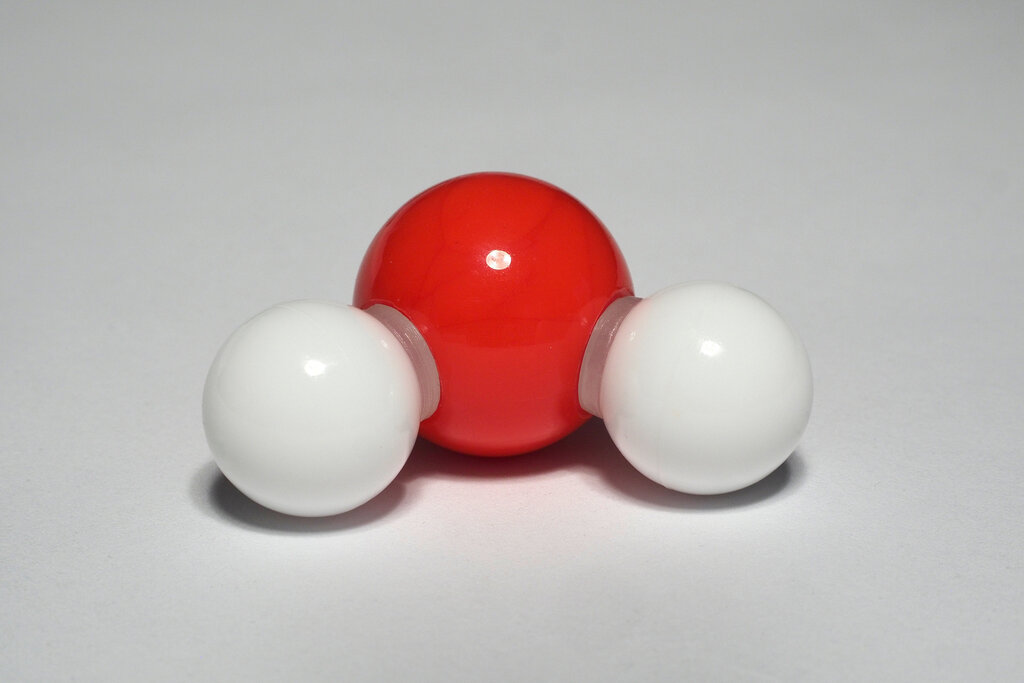
Think of it like carbonated water, where carbon dioxide gas (CO₂) is dissolved to create fizz. Hydrogen water does the same thing but with hydrogen gas. Unlike CO₂, however, dissolved hydrogen is tasteless, odorless, and doesn't create bubbles you can feel. You're just drinking water that contains free-floating H₂ molecules alongside the standard H₂O molecules.
How Is It Made?
The most common way to create hydrogen water is through a process called electrolysis. An electric current is passed through water, splitting the H₂O molecules into hydrogen gas (H₂) and oxygen gas (O₂). The hydrogen gas is then infused into a separate container of drinking water.
A genuine hydrogen water generator uses electrolysis to create hydrogen gas and dissolve it into water.
Specialized bottles and pitchers use this technology to generate hydrogen-rich water on demand. Other methods exist, such as dropping tablets containing metallic magnesium into water. The magnesium reacts with the water to produce hydrogen gas.
However, hydrogen isn't very soluble in water. There's a limit to how much can be dissolved before the gas simply escapes into the air.
Hydrogen gas is only sparingly soluble in water—approximately 1.6 parts per million (ppm) at room temperature and atmospheric pressure.
Because the gas dissipates quickly, it’s meant to be consumed shortly after being made. The concentration of dissolved H₂ begins to drop as soon as it's exposed to air.
The Idea Behind Drinking It
The primary reason people drink hydrogen water is for its purported health benefits, which are centered on its potential as an antioxidant. An antioxidant is a molecule that can neutralize harmful molecules in our bodies called free radicals.
Free radicals are unstable molecules that can damage cells, contributing to aging and various health issues. The theory is that when you drink hydrogen-rich water, the dissolved H₂ molecules are absorbed and can selectively target and neutralize specific types of damaging free radicals.
The theoretical benefit of dissolved H2 lies in its function as a selective antioxidant.
Proponents claim that this antioxidant activity can help reduce inflammation, improve athletic performance, and support overall cellular health. While research is ongoing, the core idea is that adding molecular hydrogen to water provides a simple way to deliver a potentially beneficial antioxidant to the body.
What is the primary change when regular water (H₂O) is turned into hydrogen water?
The purported health benefits of hydrogen water are primarily based on its potential to act as a(n) __________.
That covers the basics of what hydrogen water is, how it's made, and the general idea behind its use.