Hydrogels for Combating Desertification
Introduction to Desertification
More Than Just Expanding Deserts
When you hear the word “desertification,” you might picture sand dunes slowly creeping over a green landscape. The reality is more complex. Desertification isn't the natural expansion of existing deserts. Instead, it's a process of land degradation in dry, vulnerable ecosystems.
Desertification
noun
The process by which fertile land becomes desert, typically as a result of drought, deforestation, or inappropriate agriculture.
This degradation happens in arid, semi-arid, and dry sub-humid areas, often called "drylands." These are fragile environments where water is scarce and soil is thin. Two main forces drive desertification: climate variability and unsustainable human activities.
Droughts are a natural part of the climate cycle in drylands, but they can kickstart the degradation process. Human actions, however, are the primary accelerator. These include:
- Overgrazing: Too many animals grazing in one area can strip the land of its vegetation cover, leaving the soil exposed.
- Deforestation: Removing trees and shrubs for firewood, farming, or construction destabilizes the soil and removes a vital source of organic matter.
- Intensive Farming: Planting crops that deplete soil nutrients without giving the land time to recover can exhaust the soil. Poor irrigation techniques can also lead to a buildup of salt, making the land infertile.
A Global Problem
Desertification is not a localized issue. It affects vast regions across the globe, threatening the livelihoods of millions of people who depend on the land for survival. Drylands cover about 40% of the Earth's land surface and are home to more than 2 billion people.
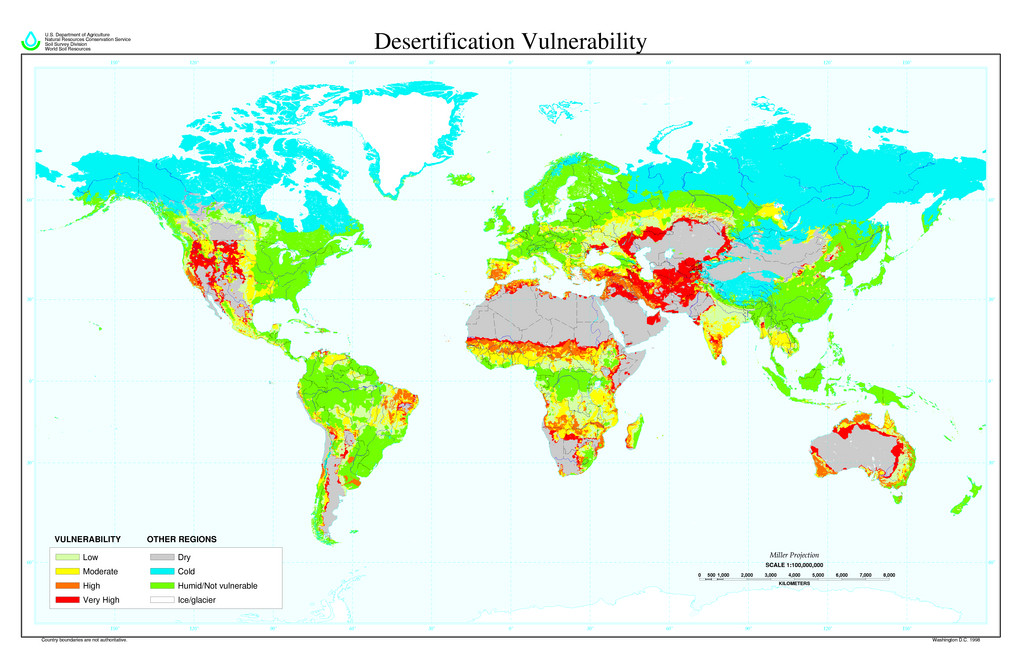
Some of the most affected areas include the Sahel region bordering the Sahara Desert in Africa, large parts of northern China and Mongolia where the Gobi Desert is expanding, and swathes of Central Asia. The problem also exists in Australia, the Middle East, and parts of North and South America. These are all places where a delicate balance between human activity and the environment has been disrupted.
The Domino Effect of Degraded Land
The consequences of desertification ripple outward, affecting everything from the local environment to global security. The initial impact is environmental. As vegetation is lost, the soil loses its protective cover. Wind and water then easily erode the fertile topsoil, leaving behind a barren, unproductive landscape. This leads to a loss of biodiversity, as the plants and animals that once lived there can no longer survive.
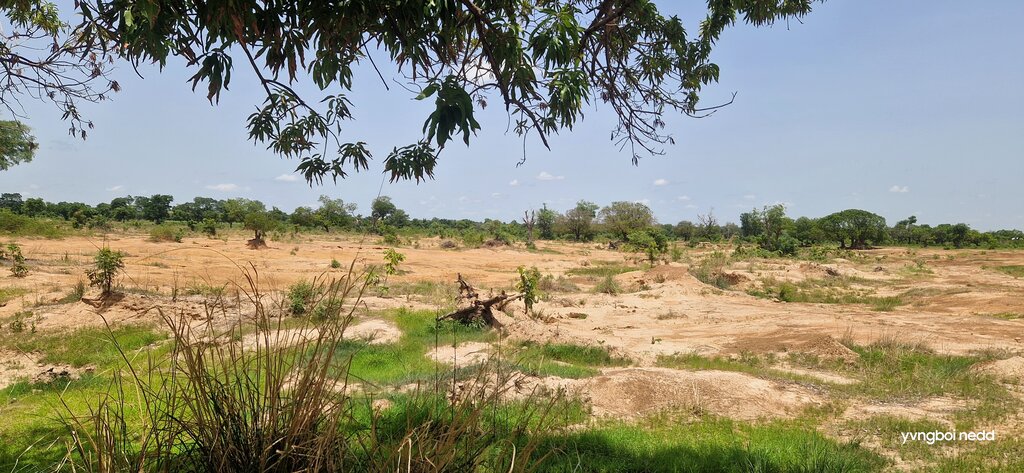
The economic impacts follow closely. Agricultural productivity plummets, leading to food shortages and increased poverty for farming communities. People lose their ability to make a living from the land, whether through farming or herding livestock.
This creates significant social challenges. When land can no longer support them, people are often forced to migrate in search of new opportunities, sometimes leading to conflict over scarce resources like water and fertile land in new areas. These individuals are sometimes called "environmental refugees."
When land degrades, livelihoods, food security, and even social stability degrade with it.
It All Comes Down to Soil
At its core, desertification is a story about soil. Healthy soil is a complex, living ecosystem. It's rich in organic matter, nutrients, and microorganisms, and its structure allows it to absorb and hold water. This sponge-like quality is crucial in drylands, where rainfall is infrequent and unpredictable.
Soil degradation is the process that strips soil of these life-giving properties. When unsustainable practices remove vegetation, the soil loses its main source of organic matter. It becomes compacted and less porous. Instead of soaking into the ground, rainwater runs off the surface, taking the precious topsoil with it.
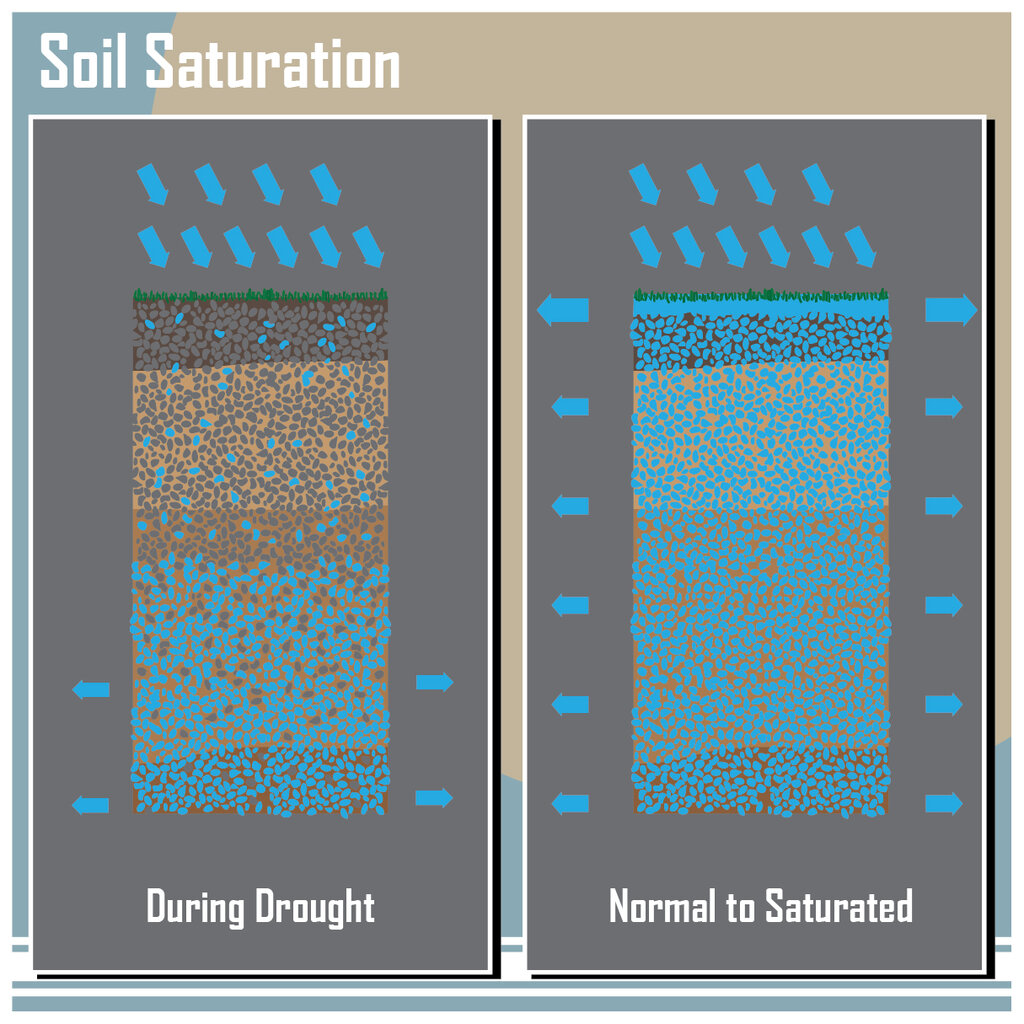
Losing this thin layer of topsoil is devastating. It's the most fertile part of the soil profile, containing the majority of nutrients plants need to grow. Once it's gone, the land's ability to support life is drastically reduced, turning once-productive areas into desert-like landscapes.
Understanding desertification is the first step toward combating it. It is a complex challenge driven by both natural and human factors, and addressing it requires a deep commitment to sustainable land management practices.