HVAC Systems Explained
HVAC Basics
The Unseen Comfort Machine
In most modern buildings, an invisible system is always at work. It keeps you warm in the winter, cool in the summer, and helps you breathe easier all year round. This system is known as HVAC.
HVAC stands for Heating, Ventilation, and Air Conditioning.
Think of it as the lungs and circulatory system of a building. It pulls in fresh air from the outside, conditions it, circulates it to every room, and then pushes out stale, used air. Its main job is to create a comfortable and healthy indoor environment, whether it's in a house, an office, a hospital, or a factory.
The Four Core Functions
The acronym HVAC spells out its main jobs. Let's break them down.
Heating: This is the most straightforward function. When the temperature outside drops, the heating component of an HVAC system warms the air to maintain a comfortable indoor temperature. It’s the reason you don't have to wear a winter coat at your desk.
Ventilation: This is the process of replacing stale or polluted indoor air with fresh, filtered outdoor air. Proper ventilation is crucial for health. It removes dust, allergens, odors, and indoor pollutants like carbon dioxide, keeping the air you breathe clean. It's the difference between a stuffy, stagnant room and one that feels fresh and airy.
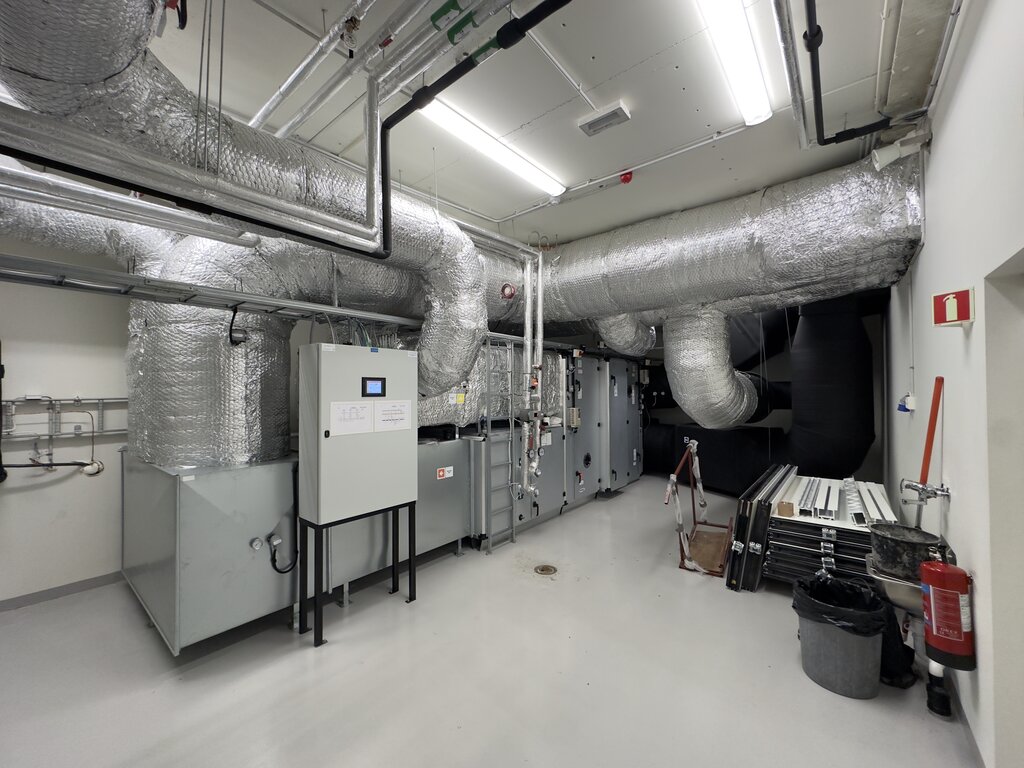
Air Conditioning: This part of the system does more than just cool the air. While reducing the temperature is its main purpose on a hot day, it also plays a vital role in controlling humidity. By removing excess moisture from the air, air conditioning systems prevent the growth of mold and mildew and stop that sticky, muggy feeling. This dual-role of cooling and dehumidifying is key to total indoor comfort.
Why It Matters
A well-designed HVAC system is about more than just feeling good; it's essential for our health and productivity. We spend most of our lives indoors, and the quality of the air we breathe has a direct impact on our well-being.
Poor indoor air quality can lead to a range of health issues, from headaches and fatigue to allergies and respiratory problems. A good HVAC system acts as a gatekeeper, filtering out pollutants and circulating clean air. In commercial settings, like offices or schools, comfortable temperatures and good air quality are proven to improve focus and performance. In sensitive environments like hospitals or manufacturing cleanrooms, precise control over temperature, humidity, and air purity is absolutely critical.
Good air quality isn't a luxury. It's a fundamental part of a healthy living and working space.
The need for climate control extends everywhere. Homes rely on it for comfort and safety, protecting pipes from freezing and preventing mold. Office buildings use it to keep thousands of workers productive. Industrial facilities need it to protect sensitive equipment and materials from damage caused by heat or humidity.
Energy and the Environment
Creating all that comfort comes at a cost. HVAC systems are among the largest consumers of energy in any building. In the United States, heating and cooling account for nearly half of the energy used in a typical home. For large commercial buildings, that figure can be even higher.
Heating, Ventilation, and Air Conditioning (HVAC) systems account for approximately 38% of building energy consumption globally, making them one of the most energy-intensive services.
This massive energy consumption has a significant environmental impact. Most of our electricity is still generated by burning fossil fuels, which releases greenhouse gases into the atmosphere. Therefore, making HVAC systems more efficient is a major goal for engineers and policymakers.
Energy-efficient systems use less power to achieve the same level of heating or cooling. This not only lowers electricity bills but also reduces the building's carbon footprint. Innovations in technology, better insulation, and smarter control systems are all helping to lessen the environmental burden of keeping our indoor spaces comfortable.
Time to check your understanding of the fundamentals.
What does the acronym HVAC stand for?
The primary role of the 'Ventilation' part of an HVAC system is to replace stale indoor air with fresh outdoor air.
HVAC systems are a cornerstone of modern life, quietly managing the environments where we live, work, and play. Understanding their basic functions is the first step toward appreciating their importance and impact.