HVAC System Integration and Design
Integrated System Architecture
Beyond a Single Box
Controlling the climate of an entire building requires more than just a standalone air conditioner. It demands an integrated system where heating, ventilation, and cooling components work together. This shift from isolated units to a coordinated network is key to modern HVAC design. The two dominant architectures for this are split systems and packaged units, each with distinct trade-offs in efficiency, space, and durability.
The Split System
The most common residential setup is the split system. As the name implies, its components are divided between two main locations: one outside and one inside. The outdoor cabinet contains the compressor and condenser coil, the parts that release heat into the outside air. The indoor unit, typically an air handler or furnace, houses the evaporator coil, which absorbs heat from the indoor air.
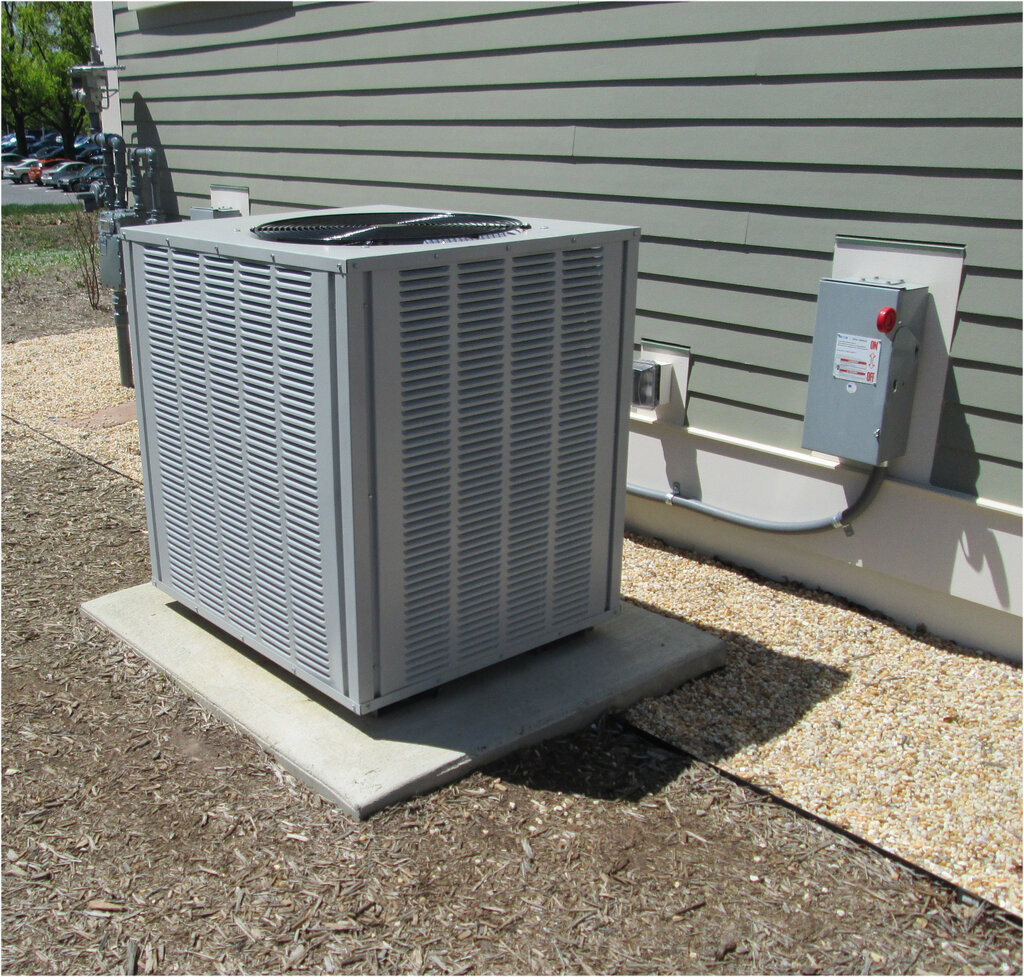
A line set, consisting of copper tubing, connects the two halves, allowing refrigerant to circulate between them. This separation offers significant advantages. By placing the noisy compressor outside, the system operates much more quietly inside the home. It also allows for greater flexibility and efficiency. Because the indoor components are shielded from the elements, they can be designed with more sensitive, higher-performance parts. This enables some split systems to achieve very high (SEER) ratings, sometimes exceeding 25.
This design allows for extensive customisation. Homeowners can mix and match components, such as pairing a high-efficiency air conditioner with a specific type of gas furnace to create a dual-fuel system. The main constraint is physical space; a split system requires an attic, basement, or closet to house the indoor air handler.
The Packaged Unit
In contrast, a packaged unit combines the compressor, condenser, and evaporator into a single, large cabinet located outside. This all-in-one design is common in commercial buildings with flat roofs and in homes where indoor space is limited, such as those built on a slab foundation.
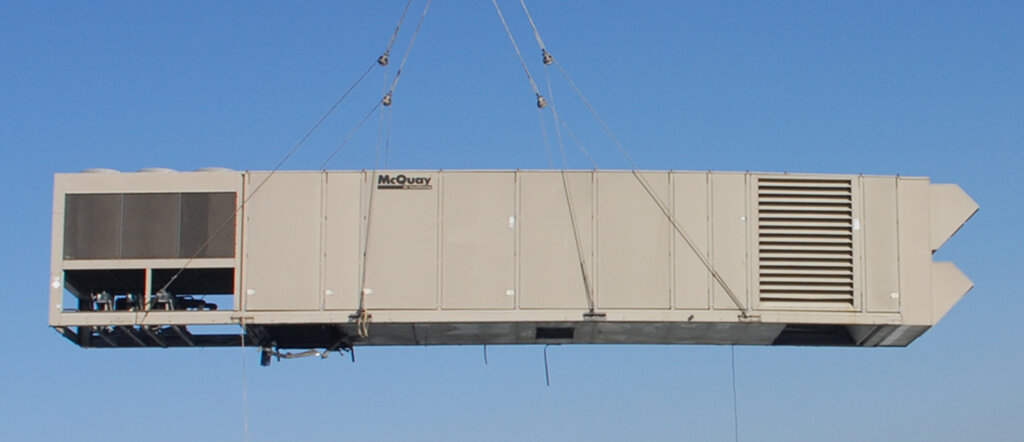
The primary benefit of a packaged unit is its small footprint. Since all mechanical components are housed externally, it frees up valuable interior space. Installation is also simpler because the factory assembles and seals the entire refrigeration circuit. The unit connects directly to the building's ductwork.
However, this consolidation comes with drawbacks. Because every component is exposed to the elements, packaged units tend to suffer more wear and tear, potentially leading to a shorter lifespan than split systems. Rain, snow, and sun all take a toll. They are also generally less efficient, as the compact design offers less room for larger, more effective coils and components. While convenient, they offer little room for customisation.
| Feature | Split System | Packaged Unit |
|---|---|---|
| Architecture | Indoor and outdoor units | Single outdoor unit |
| Efficiency (SEER) | Higher (often 16-25+) | Lower (typically 14-18) |
| Footprint | Requires indoor space | Saves indoor space |
| Lifespan | Longer (indoor parts protected) | Shorter (all parts exposed) |
| Customisation | High (mix & match components) | Low (all-in-one design) |
| Best For | Most houses with available space | Commercial buildings, homes on slabs |
The Central Command
Regardless of whether it's a split or packaged architecture, the system is governed by a single interface: the . It acts as the brain, interpreting the user's temperature settings and sending signals to the appropriate components. When you ask for cooling, it activates the compressor and fans. When you ask for heat, it ignites the furnace or engages the heat pump's reversing valve.
This central control transforms a collection of mechanical parts into a cohesive thermal strategy. It ensures the system isn't working against itself and provides a simple way to manage the complex interplay between heating, cooling, and ventilation.
More complex HVAC systems can interface to Building Automation System (BAS) to allow the building owners to have more control over the heating or cooling units.
Choosing between a split and packaged system ultimately depends on the building's structure, climate, and efficiency goals. A split system generally offers better performance and longevity for residential use, while a packaged unit provides a compact, practical solution for specific spatial constraints.
What is the primary characteristic that defines a split HVAC system?
A homeowner lives in a house built on a slab foundation with no attic or basement, leaving very little interior space for mechanical equipment. Which HVAC architecture is most suitable for this situation?