HVAC System Fundamentals
Introduction to HVAC
What is HVAC?
HVAC stands for Heating, Ventilation, and Air Conditioning. It’s the technology of indoor environmental comfort. Think of it as the lungs and circulatory system of a building, working quietly behind the scenes to keep things just right.
An HVAC system is a mechanical framework designed to regulate indoor environments by controlling temperature, humidity, and air quality.
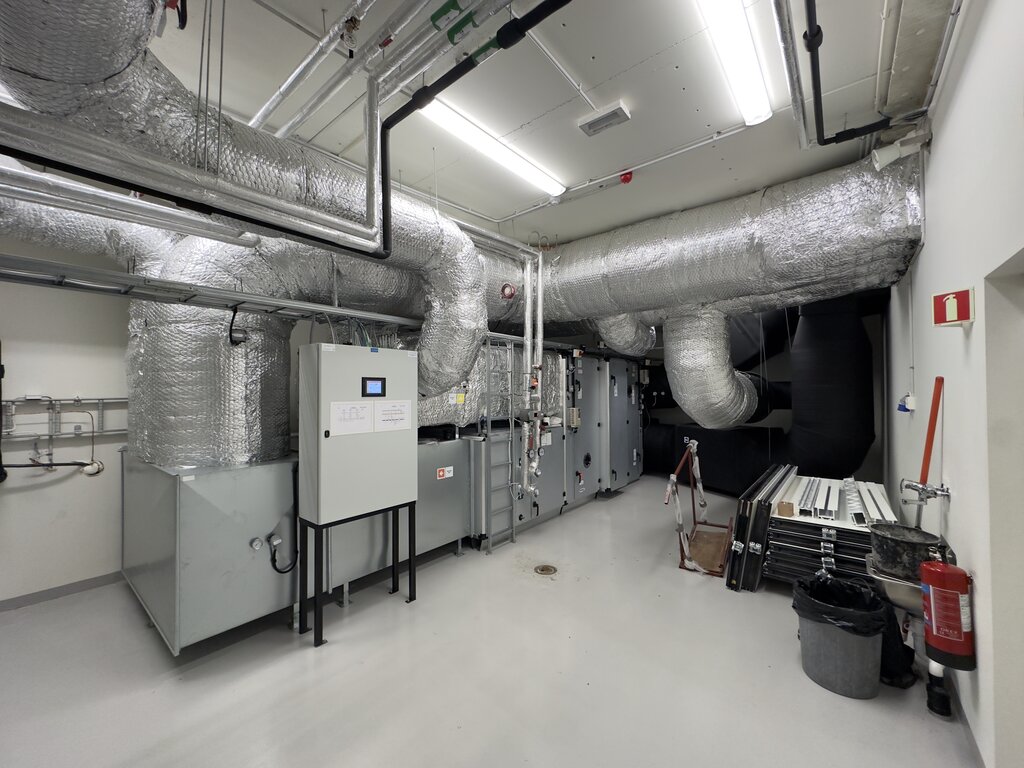
The main goal of any HVAC system is to maintain a comfortable and safe environment for people inside a building, whether it's a home, school, or office. It does this by controlling the temperature, managing humidity, and ensuring the air is clean and fresh. These systems range from simple window units to massive, complex networks in skyscrapers and industrial facilities.
More Than Just Temperature
While we usually think of HVAC in terms of staying warm in winter and cool in summer, it plays a much bigger role in our health. A key part of its job is maintaining good Indoor Air Quality, or IAQ.
We spend most of our lives indoors, where air can be more polluted than the air outside. Dust, pollen, mold spores, and chemicals from cleaning supplies or furniture can get trapped. Without proper circulation, these pollutants build up and can affect our breathing and overall health.
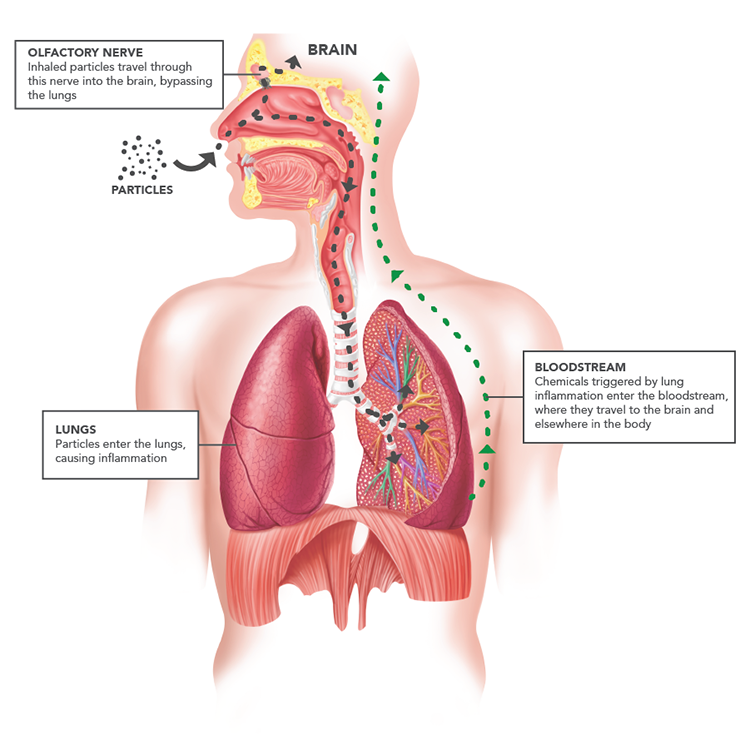
HVAC systems improve IAQ by filtering out these contaminants. They pull stale, dirty air out and bring fresh, filtered air in. They also control humidity. Too much moisture can lead to mold growth, while too little can cause dry skin and irritated sinuses. A well-designed system keeps humidity in a comfortable and healthy range.
How Heating and Cooling Work
At its core, controlling temperature is all about managing heat energy. There’s one fundamental rule: heat naturally moves from a warmer place to a cooler place. It never flows the other way on its own. Your coffee cools down because its heat moves into the cooler air around it. Your house gets cold in winter because its warmth escapes to the colder outdoors.
Heating and cooling systems don't "create" cold. They just move heat from one place to another.
A heating system, like a furnace, adds thermal energy to the air inside your home, raising the temperature. It generates heat by burning fuel or using electricity and then distributes it.
An air conditioner does the opposite, but the process is more clever. It works like a refrigerator, using a special chemical called a refrigerant to absorb heat from inside your house and transfer it outside. Even on a hot day, the AC unit is effectively pumping heat out of your cool house into the even hotter outdoors.
Bringing in Fresh Air
The "V" in HVAC, ventilation, is the process of replacing stale indoor air with fresh outdoor air. This is crucial for removing odors, smoke, moisture, and indoor pollutants like carbon dioxide that we exhale.
You can ventilate a room naturally by simply opening a window. However, that's not always practical or energy-efficient. Mechanical ventilation is the solution. It uses fans and a network of ducts to control air exchange.
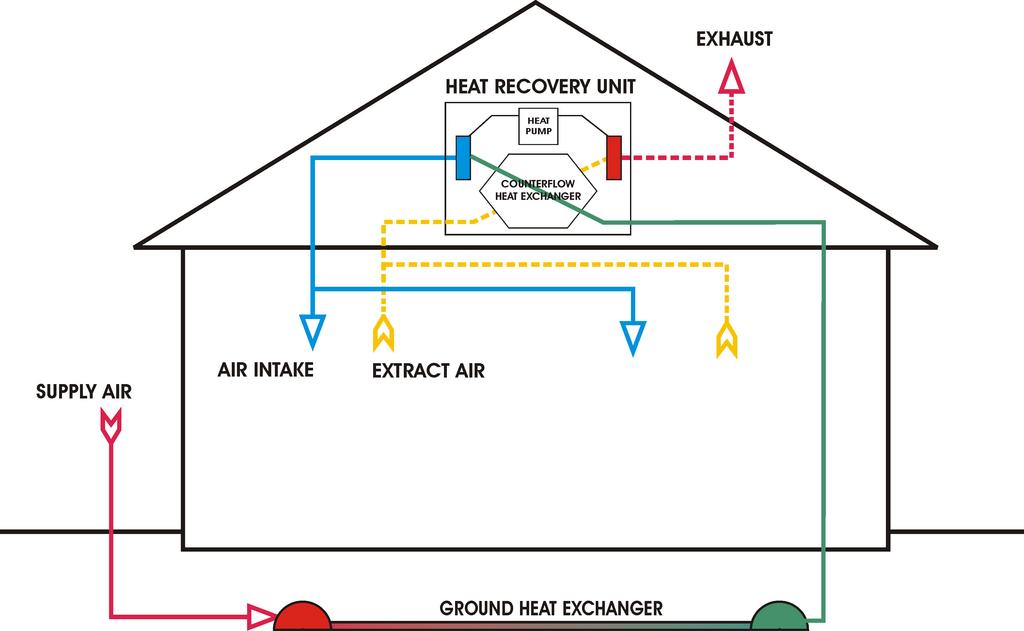
An HVAC system’s ventilation component ensures a constant, controlled supply of fresh air. It can precondition the incoming air, heating or cooling it to match the indoor temperature, which saves energy. This controlled process is far more effective and efficient than relying on an open window.
Now, let's review what you've learned about the fundamentals of HVAC.
What does the acronym HVAC stand for?
According to the fundamental principle of heat transfer, which direction does heat energy naturally move?
Understanding these basic principles is the first step toward appreciating how these essential systems keep our indoor worlds comfortable and healthy.